
This post contains affiliate links. We may earn a small commission when you buy through our links — at no extra cost to you.
A dorm mattress that off-gasses for days or turns rock-hard after a month can sabotage sleep, grades, and sanity. Too many budget bed-in-a-box options promise cooling and plushness but deliver a chemical smell that lingers, or firmness that swings wildly from board-stiff to marshmallow-soft. The result: wasted money and a miserable semester.
This guide cuts through the marketing noise to focus on the features that genuinely affect dorm life: reliable support that helps back pain, minimal odor for shared spaces, and easy expansion. Whether you need motion isolation for a bunkmate or a plush pillow top after late study sessions, you’ll find a Twin or Twin XL that balances price with real-world comfort.



Best for Dorm All-Rounder
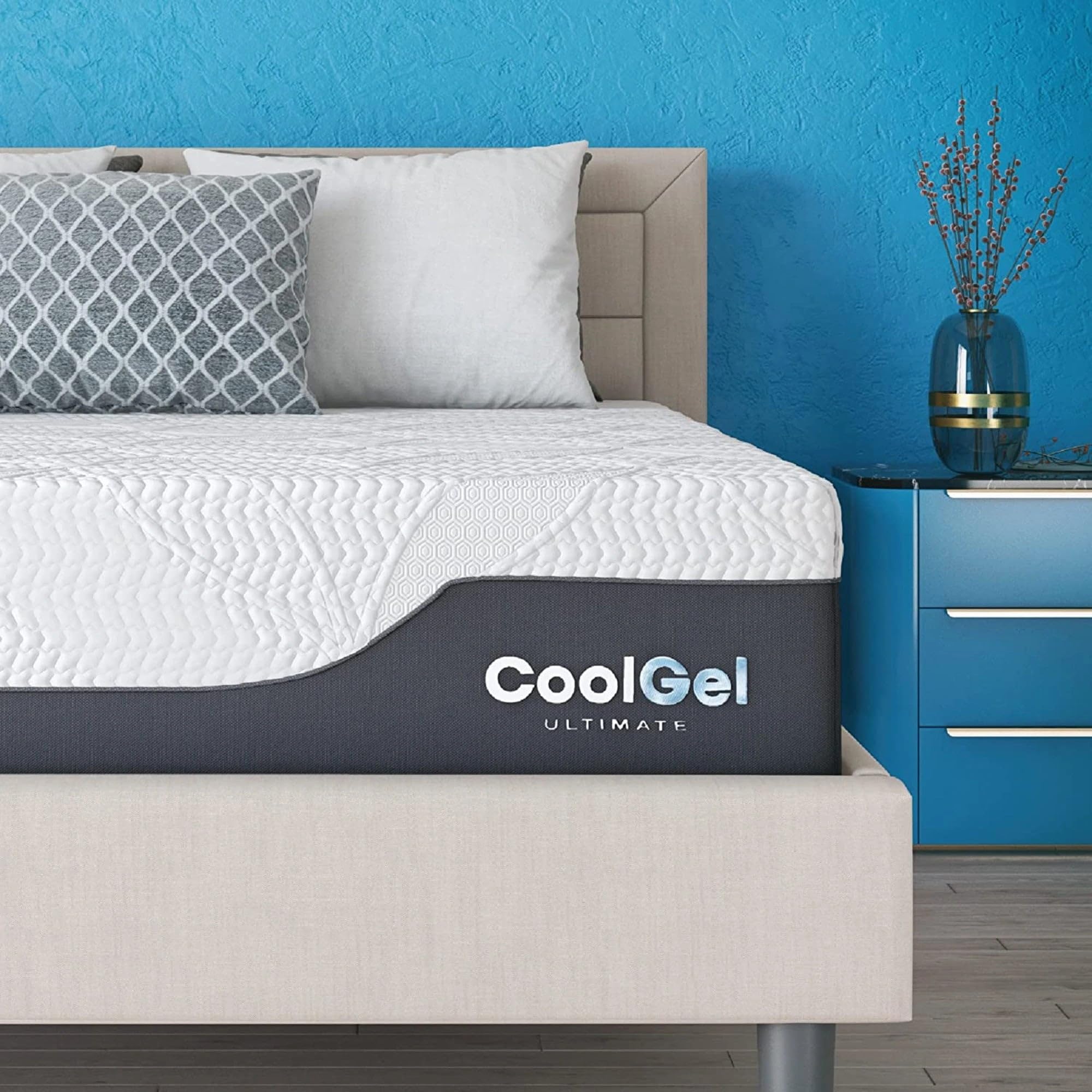
EGOHOME 8" Green Tea
Key Features
- Thickness: 8 in
- Mattress Type: Memory Foam
- Firmness Level: Medium Firm
- Cooling & Odor: Green tea gel, odorless
- Weight Capacity: 750 lbs
- Price: Budget
The EGOHOME unrolls with virtually no chemical odor, unlike many budget memory foam options that need days to air out. Its green tea gel infusion and CertiPUR-US certified foam deliver a medium-firm feel that cradles pressure points without sinking, making it genuinely comfortable out of the box.
For a college student seeking a set-it-and-forget-it solution, this mattress provides firm, ache-relieving support for back and stomach sleeping. Side sleepers who want a plush cushion may find the surface too rigid. The width can run slightly under 38 inches, so measure your frame if you need an exact 39-inch fit.
Pros
- Firm yet cozy support that eases back and joint aches without excessive sink.
- Virtually no off-gassing odor right after unboxing—no days-long air-out needed.
- Excellent construction and materials at a budget-friendly price that outperforms expectations.
Cons
- May feel too firm for strict side sleepers who prefer a softer cradle.
- Width can run slightly under 38 inches, causing gaps in some bed frames.
For a dorm bed that unpacks without a trace of fumes and delivers reliable medium-firm support, this mattress is a straightforward choice—just measure your frame if you need a full 39 inches.
Best for Motion Isolation
Coolvie 10" Hybrid
Key Features
- Thickness: 10 in
- Mattress Type: Hybrid (pocket coils)
- Firmness Level: Medium
- Cooling & Odor: No gel, low odor
- Price: Mid-Range
Where budget hybrids use noisy, connected Bonnell springs, the Coolvie’s pocketed coils work independently to absorb movement silently. For a student sharing a dorm bed or who tosses frequently, this isolation means uninterrupted sleep. The 10-inch medium feel balances plush comfort with back support. A caveat: some units show surface sagging after six months of constant use—a risk for heavier sleepers or daily all-nighters without rotation.
Pros
- Individual pocket coils decouple motion—your bunkmate’s shifting won’t wake you.
- No Bonnell coil clatter; the bed-in-a-box feel stays silent during movement.
- Plush memory foam top over supportive medium coils for pain-free deep sleep.
Cons
- May develop shallow body impressions after half a year of constant use, especially without periodic rotation.
For dorm bunkmates who want a quiet, plush bed without feeling each other’s movements, this hybrid delivers—but budget for a mattress topper if sagging appears after extended use.
Best for Hot Sleepers
Zinus 8" Green Tea Cooling
Key Features
- Thickness: 8 in
- Mattress Type: Gel Memory Foam
- Firmness Level: Medium
- Cooling & Odor: Green tea gel, mixed odor
- Weight Capacity: 250 lbs
- Price: Budget
Gel memory foam with green tea infusion gives the 8-inch Twin a cooling angle that the odorless top pick skips, appealing to students who run warm at night. However, the cooling effect can be hit-or-miss, and the surface tends to feel much firmer than medium — side sleepers may find it unyielding. This mattress suits hot sleepers in dorms who prioritize affordability and memory foam feel, and can air out the initial chemical odor before use.
Pros
- Memory foam layers offer a comfortable, supportive feel that users find easy to fall asleep on.
- Exceptional value for a CertiPUR-US certified memory foam mattress, ideal for student budgets.
- Durable, well-built construction that holds up through college years.
Cons
- Cooling gel does not consistently prevent heat buildup; some sleepers may still sleep warm.
- Can feel substantially firmer than medium, potentially causing discomfort for side sleepers.
A budget-friendly gel memory foam Twin that fits dorm beds and wallets, but only for students who don’t mind a firm surface and aren’t counting on active cooling.
Best for Firm Support
Milliard 10" Firm
Key Features
- Thickness: 10 in
- Mattress Type: Memory Foam
- Firmness Level: Firm
- Cooling & Odor: No cooling, odorless
- Weight Capacity: 500 lbs
- Price: Mid-Range
Unlike soft dorm mattresses that exaggerate spinal curves, the Milliard 10" Firm uses dense memory foam to keep the back neutral. It arrives with none of the chemical off-gassing common in competing foam beds, making it sleep-ready immediately in a cramped dorm.
Back and stomach sleepers with chronic back pain get the most from this surface. It is extremely firm — side sleepers may find it feels like a padded floor, and lightweight individuals under about 130 lbs won’t experience enough contour. For those who dread memory foam quicksand and want a solid, odor-free sleep surface, it fits the brief.
Pros
- Delivers exactly the firm support promised — no unpredictable soft spots or sagging.
- Noticeable back pain relief for stomach and back sleepers due to the rigid support.
- No chemical off-gassing, so the mattress is usable straight out of the box in a small room.
Cons
- Twin sheets may not fit perfectly; deep-pocket sheets solve this.
- The surface can feel excessively rigid, like a padded floor — a topper can soften it.
For the dorm-dwelling back-pain sufferer who wants a dead-flat sleep surface and zero chemical smell, the Milliard 10" Firm is a straightforward, supportive pick. Side sleepers and those craving plushness will find it punishingly rigid.
Best for Plush Pillow Top
COOL GEL 12" Pillow Top
Key Features
- Thickness: 12 in
- Mattress Type: Gel Memory Foam
- Firmness Level: Firm (often softer)
- Cooling & Odor: Gel foam, strong odor initially
- Weight Capacity: 1000 lbs
- Price: Mid-Range
The 12-inch pillow top creates a sink-in, pressure-relieving feel that side sleepers often compare to a high-end hotel bed. It’s the softest option in this set, adding genuine plushness without crossing the $200 mark. Strict back sleepers and anyone sensitive to chemical odors should note: the mattress runs notably softer than its ‘firm’ label, and initial off-gassing can be strong enough to require days of airing. For students who value a cloud-like cradle over an odor-free unboxing, this is a comfortable, budget-friendly pick.
Pros
- Plush sink-in comfort that side sleepers often describe as ‘sleeping on a cloud’
- Competitive mid-range price for a 12-inch pillow top with premium feel
- Consistent pain relief and refreshed mornings for many sleepers
Cons
- Initial chemical smell can linger for days, requiring airing out before use
- Runs considerably softer than the ‘firm’ label, which may lack support for back sleepers
If plush, deep cushion is your college priority and you can tolerate an initial air-out period, this mattress delivers hotel-like comfort without the upscale price.
Best for Budget Hybrid
Linenspa 8" Hybrid
Key Features
- Thickness: 8 in
- Mattress Type: Hybrid (Bonnell coils)
- Firmness Level: Medium Firm
- Cooling & Odor: No gel, mixed odor
- Weight Capacity: 300 lbs
- Price: Budget
Memory foam over a Bonnell coil base keeps the Linenspa at the lowest hybrid price — a coil layer absent in most budget all-foam beds. That springy underlayer gives a bouncier, more responsive feel than pure foam, but you will notice coil rattle and the 8-inch height can bottom out for sleepers over 200 lbs. It’s a pragmatic fit for a dorm room where a twin hybrid at this price is rare, and lighter students can add a mattress pad to dampen noise and soften the surface.
Pros
- Outstanding value — the lowest-priced hybrid saves money over foam-only competitors.
- Memory foam upper layer eases pressure points and reduces overnight tossing.
- Supports restful sleep with less stiffness in the morning.
Cons
- Spring noise and coil feel can be distracting, especially for light sleepers sharing the room.
- The 8-inch profile may compress too much for sleepers over 200 lbs, reducing support.
The Linenspa 8-inch hybrid is the budget play for a dorm mattress with springy support. Pair it with a topper to quiet the coils and you’ll get a refreshing night’s sleep without the premium price tag.
Best for Classic Budget
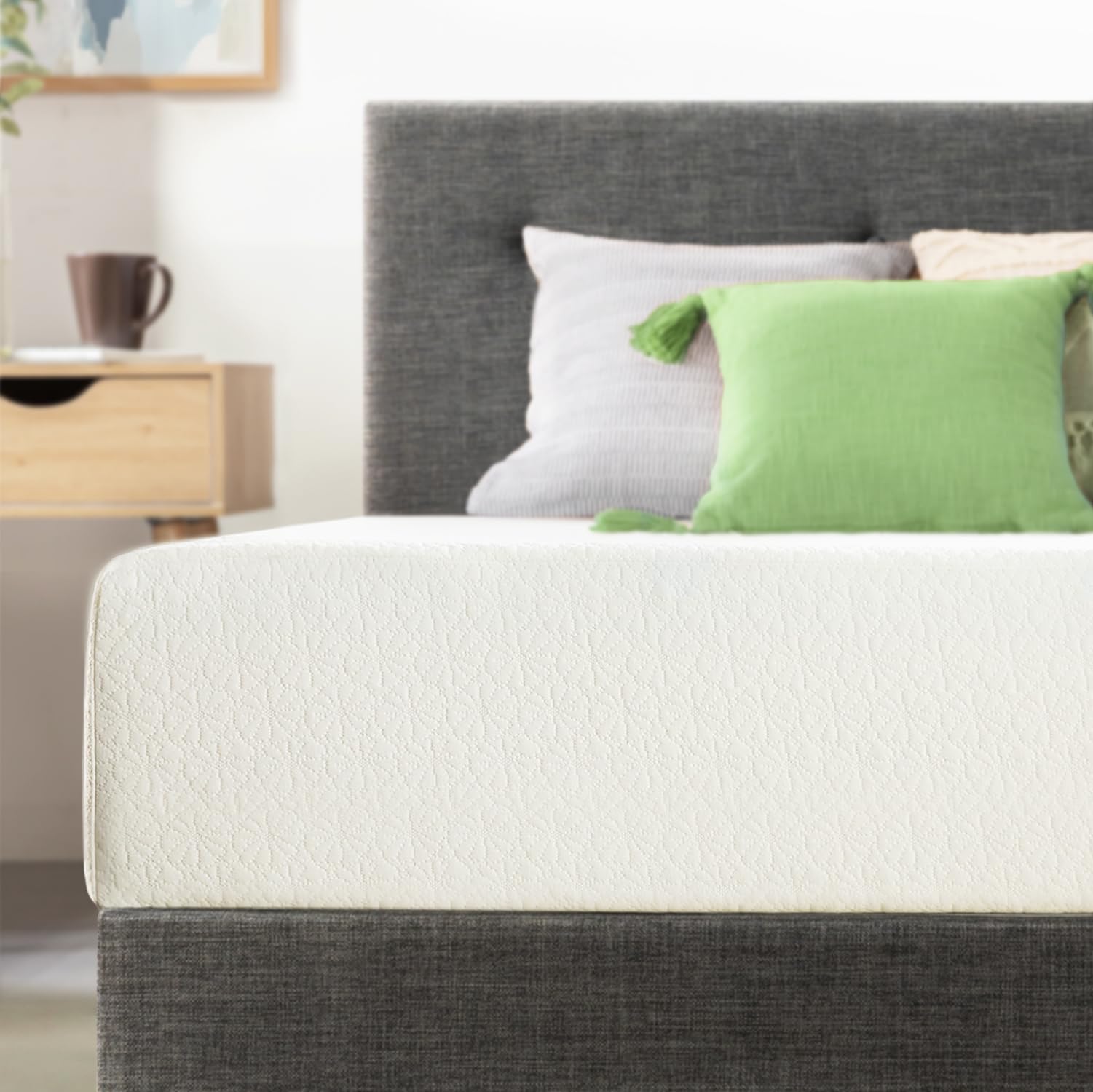
Best Price 8" Green Tea
Key Features
- Thickness: 8 in
- Mattress Type: Memory Foam
- Firmness Level: Medium
- Cooling & Odor: Green tea, mixed odor
- Price: Budget
Good pressure relief and support for the price, with CertiPUR-US foam. An initial chemical smell needs airing out, and some questions about fiberglass content surface—CertiPUR-US doesn’t test for it. It’s a functional dorm pick if you can ventilate it, but the EGOHOME avoids both the odor and material uncertainty.
Pros
- Comfortable memory foam feel for all-night support
- Budget-friendly with strong value for a green tea-infused mattress
Cons
- Firmness varies significantly — some find it too hard, others too soft
A sensible dorm mattress if you can air it out and aren’t sensitive to firmness surprises — the EGOHOME is worth the slight premium for a zero-odor, consistent feel.
Best for Washable Cover
FDW 8" Gel Memory Foam

Key Features
- Thickness: 8 in
- Mattress Type: Gel Memory Foam
- Firmness Level: Medium
- Cooling & Odor: Gel foam, some odor
- Weight Capacity: 1000 lbs
- Price: Budget
The FDW’s machine-washable cover and 1000-pound weight capacity cater to dorm room spills and bunk beds. Decent pressure relief at a budget-friendly cost, but expansion can fall short of the full 8 inches, and edge support is less dependable than top picks.
Pros
- Gel memory foam provides comfortable pressure relief for side and back sleepers.
- Very affordable, delivering strong value for a CertiPUR-US certified mattress.
Cons
- A chemical odor can persist for a few days after unboxing.
If a washable cover and a high weight limit matter more than perfectly consistent expansion, this is a budget-friendly dorm option — just allow extra time for airing out.
Best for Ultra-Budget 6"
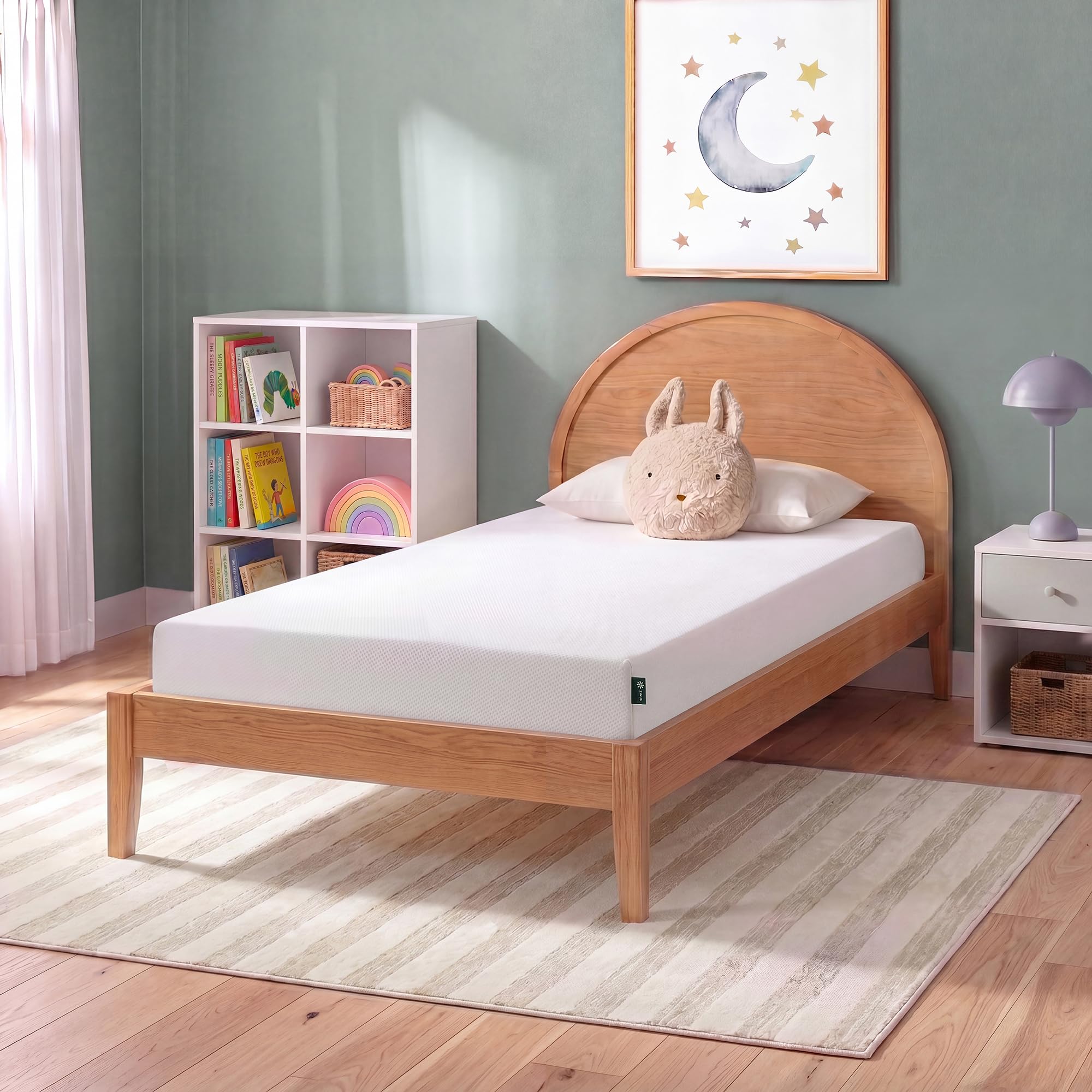
Zinus 6" Green Tea
Key Features
- Thickness: 6 in
- Mattress Type: Memory Foam
- Firmness Level: Medium Firm
- Cooling & Odor: Green tea, strong odor
- Weight Capacity: 250 lbs
- Price: Budget
The Zinus 6-inch delivers memory foam comfort at an entry-level price, with CertiPUR-US materials and a green tea infusion for freshness. Its 6-inch profile is too thin for most adult sleepers, bottoming out under 150+ lbs, but it suits bunk beds, kids’ rooms, and short-term dorm use with a topper. Initial off-gassing odor may be strong and require ventilation.
Pros
- Cozy memory foam feel relative to its slim profile, suitable for children.
- Exceptionally low price for a CertiPUR-US and OEKO-TEX certified foam mattress.
Cons
- Initial off-gassing odor may be strong and require days of ventilation.
If you need a mattress for a child’s bunk bed, a guest room, or a temporary dorm bed that you’ll top with a plush topper, the Zinus 6-inch is a bargain.
Best for Low-Profile Gel
Rolanstar 6" Gel Mem

Key Features
- Thickness: 6 in
- Mattress Type: Gel Memory Foam
- Firmness Level: Medium
- Cooling & Odor: Gel foam, low odor
- Price: Budget
Gel memory foam and low odor make this mattress surprisingly comfortable for its slim profile, but the 6-inch height limits it to lightweight users. It’s a comfortable option for a child or spare room, not a primary dorm bed for a student over 150 lbs — thickness can run slightly short, causing bottoming-out.
Pros
- High comfort for a thin mattress, with gel foam that cushions without excessive sink.
- Excellent value for a CertiPUR-US certified foam at a budget-friendly price.
Cons
- The 6-inch profile may not fully expand, and sleepers over 150 lbs can feel the hard surface below.
This mattress works as a stopgap for a child or lightweight teen on a bunk bed, but dorm-dwelling students over 150 pounds will find it too thin for nightly support.
Best for Euro Top Hybrid
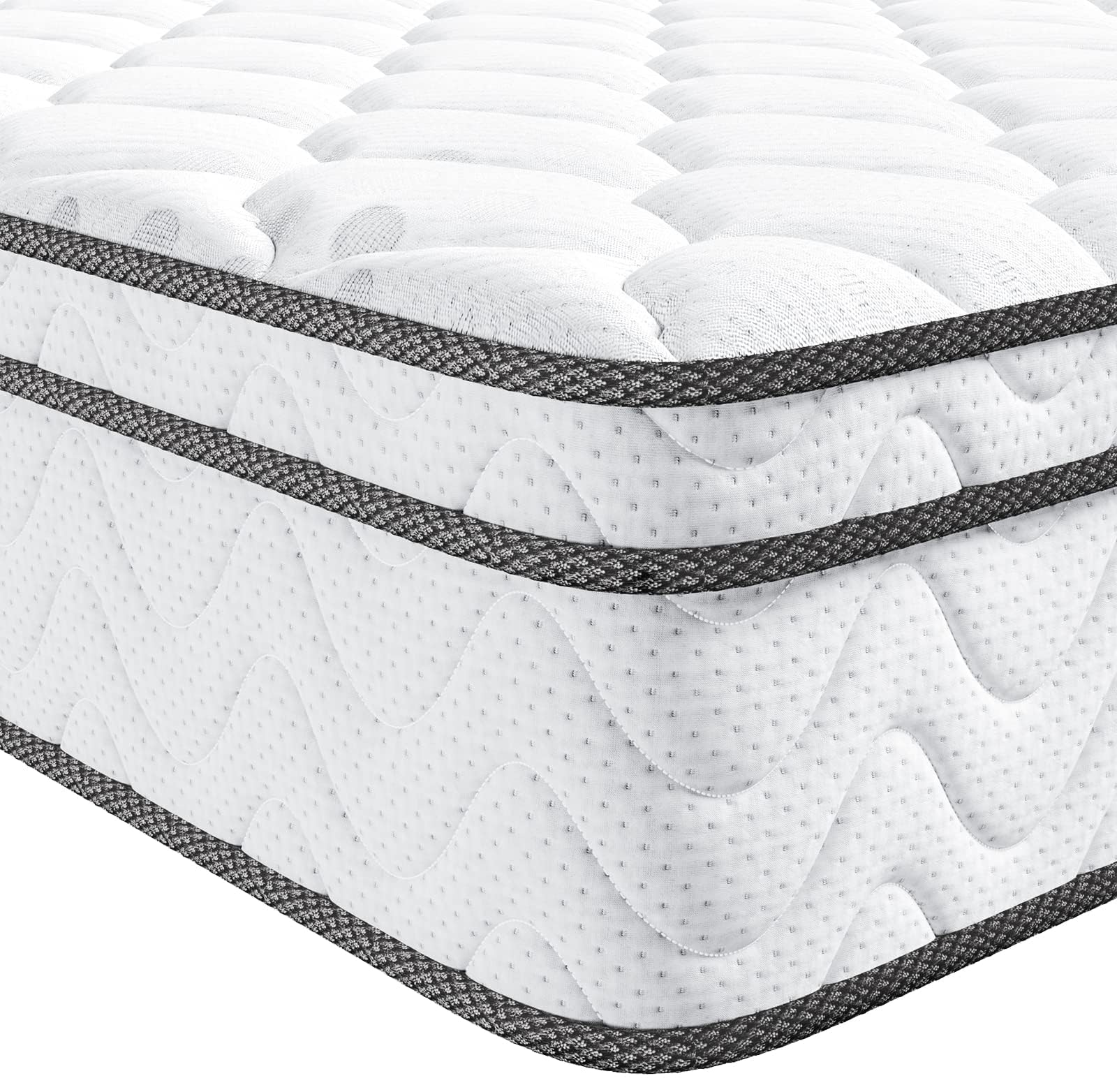
Vesgantti 10" Hybrid
Key Features
- Thickness: 10 in
- Mattress Type: Hybrid (pocket coils)
- Firmness Level: Medium
- Cooling & Odor: No cooling, low odor
- Price: Mid-Range
The 10-inch hybrid blends memory foam and pocket springs for a plush, comfortable sleep surface. Edge support is notably weak, and some mattresses never fully expand at corners — a non-issue in most dorm setups unless you sit on the edge regularly. This makes it a competent hybrid for sleep-focused students, but trails the runner-up for edge-critical buyers.
Pros
- Plush pillow-top comfort that cushions pressure points
- Mid-range hybrid that feels more expensive than its price
Cons
- Edge support can be weak, and corner expansion may be incomplete
For a student who values plush hybrid comfort and motion isolation over edge support, the Vesgantti 10-inch is a solid mid-range pick — assuming you can wait for full expansion.
Best for Plush 12-Inch
Vibe 12" Gel Foam
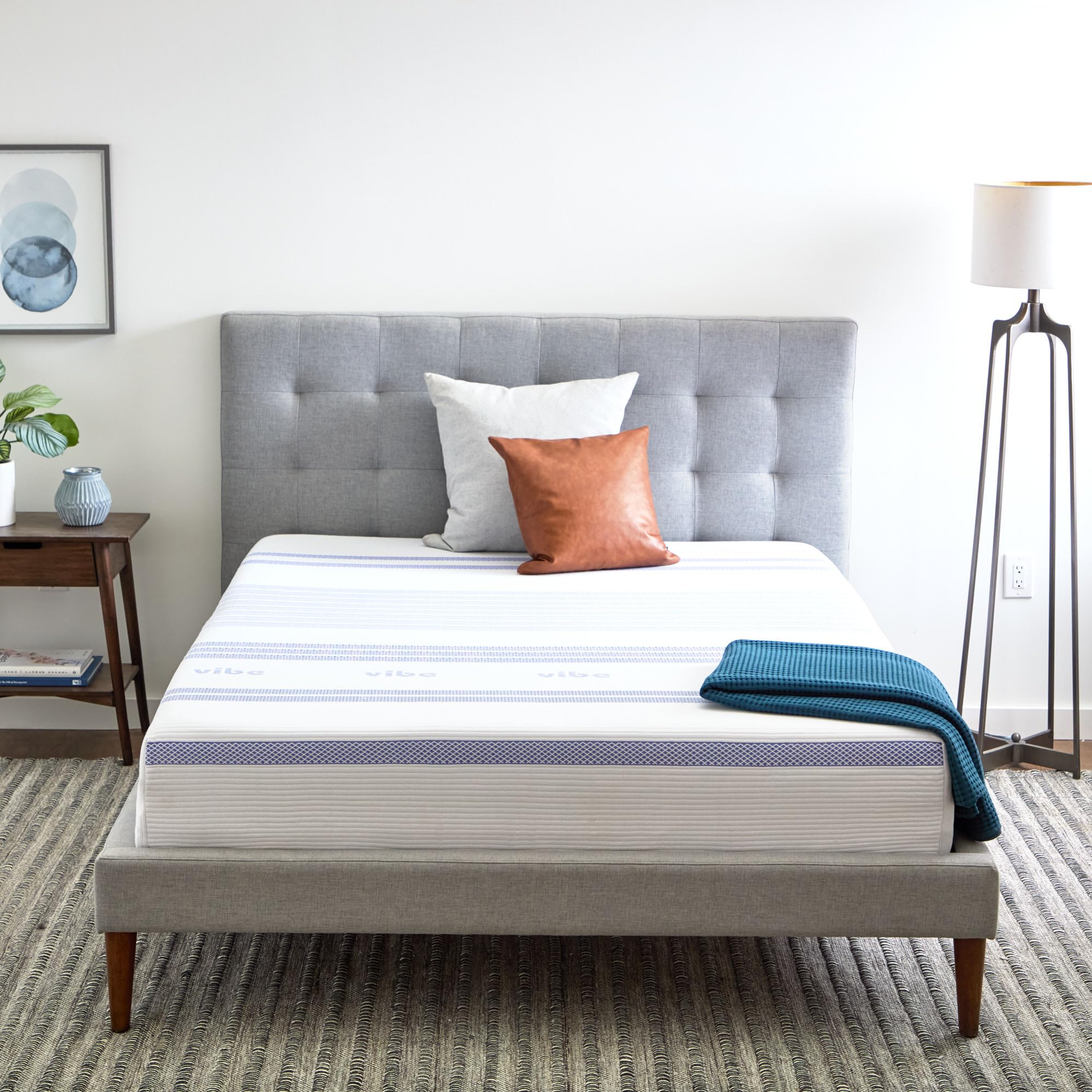
Key Features
- Thickness: 12 in
- Mattress Type: Gel Memory Foam
- Firmness Level: Plush (often firmer)
- Cooling & Odor: Gel foam, mixed odor
- Weight Capacity: 500 lbs
- Price: Mid-Range
A 12-inch gel memory foam with a plush label at a mid-range price, earning solid comfort and value marks for a dorm bed. Expansion can stop short of full height, and the actual feel skews firmer than expected—the COOL GEL 12-inch offers more consistent plushness without that uncertainty.
Pros
- Cloud-like comfort with high praise for pressure relief and rest.
- A 12-inch gel memory foam at a budget-friendly price, rated highly on value.
Cons
- A mild off-gassing odor can linger for the first few days before airing out.
A workable dorm mattress if you’re okay with a firmer-than-marketed feel and potential height shortfall—otherwise, the COOL GEL 12-inch edges it out on consistency.
How to Choose
A dorm mattress isn’t just about price—thickness, core type, and firmness consistency determine whether you’ll actually sleep well from orientation through finals.
Thickness
Six-inch mattresses are common on bunk beds and trundles, but for a daily-sleep college student over 150 pounds, that thin profile almost always causes the sleeper to bottom out against the hard bed frame. Eight inches is the floor for adult comfort; ten or twelve inches provide deeper compression support and a more substantial feel.
A thicker mattress isn’t just about luxury—it buys more layers that separate your body from the foundation, which matters when dorm bed frames are often simple metal grates.
Mattress Type
Memory foam mattresses conform closely to the body, reducing pressure points and isolating motion—a plus if you share a bunk. However, they can trap heat and occasionally emit a chemical odor. Hybrids add a coil base for bounce and airflow; pocketed coils are virtually silent and prevent one person’s movement from waking the other, while Bonnell coil hybrids often transmit noise and motion.
For heavy study-sleep cycles where two people might share, a pocket coil hybrid or high-density foam eliminates disruptive jiggle. If you toss and turn alone, a quality memory foam can be just as effective.
Firmness Level
Firmness labels like ‘medium firm’ vary wildly across brands. A mattress that is too soft may cause your hips to sink, tilting the spine, while one that is too firm creates pressure points on shoulders and hips. Side sleepers need enough give at the shoulders to prevent arm numbness; back and stomach sleepers benefit from a flatter, firmer surface that keeps the spine aligned.
Because break-in periods can soften the feel slightly over 72 hours, don’t judge a mattress straight out of the box. Wait for full expansion before deciding it’s too rock-solid.
Cooling and Odor
Gel-infused foams and green tea extracts are marketed to pull heat away and neutralize smells, yet real-world results are inconsistent. Many ‘cooling’ memory foams still sleep warm, and CertiPUR-US certification does not guarantee zero off-gassing—foam can release volatile organic compounds for several days.
If you share a tight dorm room, odorless or low-VOC options prevent the headache-inducing chemical smell that forces you to air out a room for a week. Priorities should be on mattresses with documented low-odor feedback rather than flashy cooling labels.
Weight Capacity
Weight limits indicate structural durability. A 250-pound capacity often suffices for a single college student, but thicker mattresses with higher limits like 750 or 1000 pounds typically resist sagging better over years of use, even for lighter users.
FAQ
Why does my new foam mattress smell like chemicals and how long does it last?
The odor comes from volatile organic compounds released by the foam, and it varies by brand and density. Most off-gassing fades completely within 48 to 72 hours if you leave the mattress in a ventilated room. Mattresses with green tea or charcoal infusions tend to off-gas less, but if the smell persists beyond a week, the foam formula may be particularly aggressive.
Is a 6-inch mattress thick enough for a college dorm bed?
For adults weighing over 150 pounds, 6 inches is not enough—you’ll feel the bed frame and probably wake up sore. These profiles work for children, bunk beds, or as a temporary setup with a thick topper. Aim for at least 8 inches for daily college use.
Do hybrid mattresses make noise when you move?
It depends on the coil type. Hybrids with Bonnell coils (continuous wire) often produce audible creaks and jiggles, while pocketed coil hybrids isolate motion and are nearly silent. For shared dorms, pocket coils are the better bet.
How can I speed up the expansion of a bed-in-a-box mattress?
Unbox it as soon as it arrives, place it on the bed frame, and let it expand at room temperature. You can gently pull the edges or walk on it to encourage air intake, but resist jumping or forceful stretching. Most mattresses hit full height within 48 hours; cooler rooms slow the process.