
This post contains affiliate links. We may earn a small commission when you buy through our links — at no extra cost to you.
The search for a pregnancy mattress often feels like a balancing act between cloud-like softness and firm support, all while worrying about hidden fiberglass and overheating. Many ‘cooling’ beds only offer minimal relief, and not every CertiPUR-US certification guarantees a fiberglass-free interior.
This guide cuts through the clutter to surface models that actually deliver on safety (explicit fiberglass-free construction), temperature regulation (gel-infused layers that work), and targeted support where your body needs it most—hips, lower back, and shoulders.
Because your sleep position, sensitivity to heat, and mobility will shift throughout pregnancy, matching the right mattress to your unique sleep profile now can mean the difference between restorative rest and a cycle of discomfort.


Best for Side Sleepers, Cooling
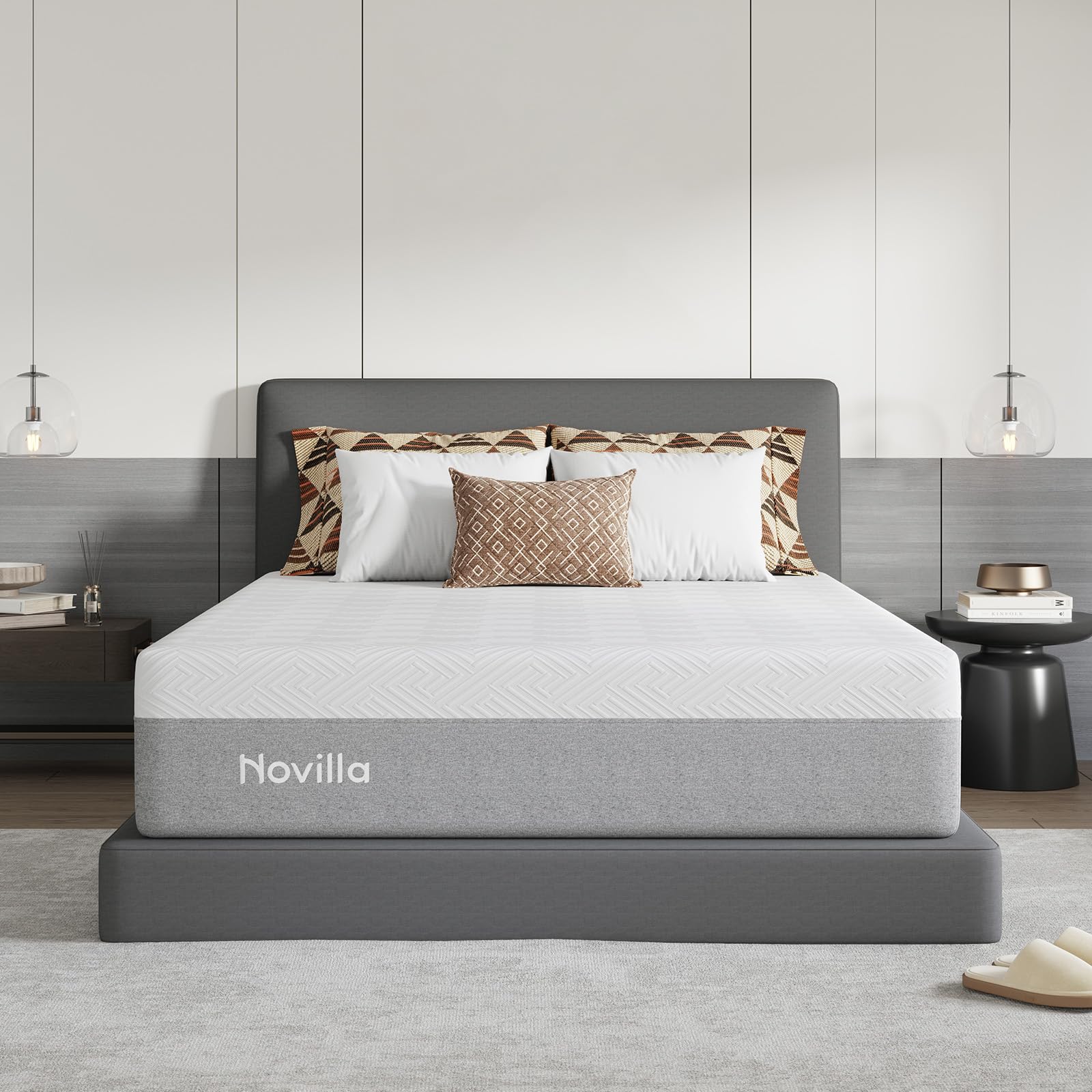
Novilla Bliss 14"
Key Features
- Firmness: Medium Plush
- Cooling Technology: Gel foam, breathable cover
- Thickness: 14"
- Price: Mid-Range
The Novilla Bliss 14" layers gel-infused memory foam over a zoned support core that carries an ACA certification for pressure relief. A NanoGel top and breathable, moisture-wicking cover tackle the temperature swings many pregnant women face at night. The gel foam draws heat away enough to reduce the sticky-warm feeling common in the third trimester, while reinforced edges provide a stable seat for getting in and out of bed—something conventional memory foam beds often lack. The all-foam construction is backed by CertiPUR-US, OEKO-TEX, and ISPA certs, which indicate no fiberglass.
Side sleepers and pregnant women get the plush contouring needed to relieve hip and shoulder pressure, and motion isolation keeps disturbances to a minimum for couples. The medium-plush feel, however, leans soft. Strict back sleepers who need a firmer, more supportive surface may feel too sunk in, making it less ideal if your preference skews toward a hotel-firm mattress.
Pros
- ACA-certified zoned support relieves pressure on hips and shoulders.
- Gel foam and moisture-wicking cover counteract night sweats common in pregnancy.
- Reinforced edges make getting in and out of bed safer when mobility is limited.
Cons
- Medium-plush firmness may not provide enough lumbar pushback for strict back sleepers.
The only mattress that pairs genuine cooling, zoned support, and edge stability at a mid-range price—solving the three biggest pregnancy pain points in one product.
Best for Back Sleepers
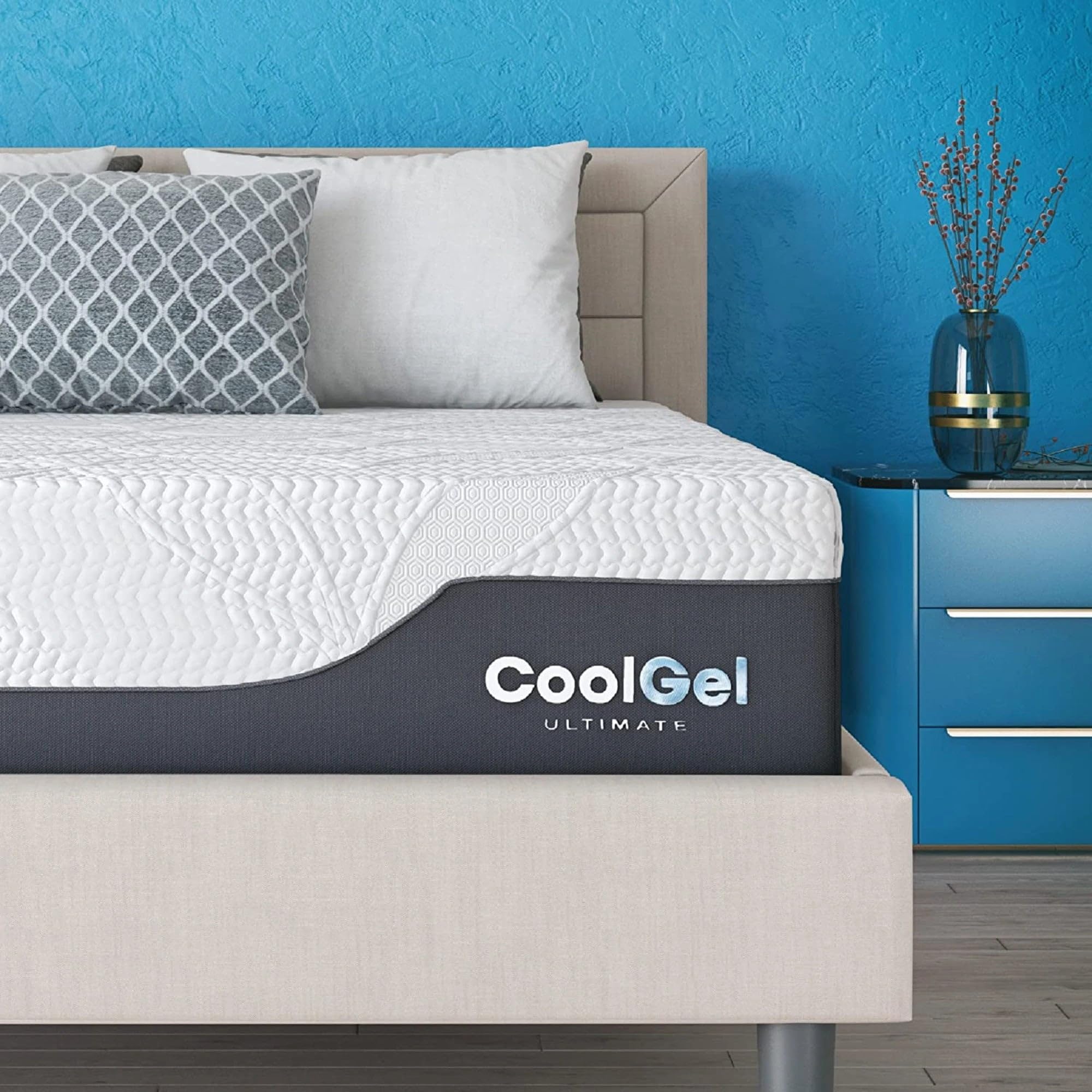
Cool Gel 14" Queen
Key Features
- Firmness: Firm
- Cooling Technology: Ventilated gel foam
- Fiberglass-Free: Yes
- Thickness: 14"
- Price: Mid-Range
For back and stomach sleepers, the Cool Gel 14-inch provides noticeably firmer support than the plush top pick. Motion isolation is a highlight—partner movement stays on their side, which matters in shared beds during pregnancy. Two included pillows add value for a complete sleep setup. Safety-conscious buyers will note the fiberglass-free, CertiPUR-US certified construction. Cooling gel may not keep every sleeper cool, and the firm surface can press against hips when shifting to a side-lying position—making this a better fit for back-sleeping throughout pregnancy.
Pros
- Motion isolation keeps partner movements from disturbing sleep
- Two bonus pillows included for a full bed set-up
- Fiberglass-free, CertiPUR-US certified foam for safer materials
Cons
- Gel cooling doesn’t prevent heat retention for everyone—some sleepers still feel warm
- Firm feel can create pressure on hips and shoulders for side sleepers
Back-sleeping pregnant buyers who find the gel cooling effective get a safe, supportive mattress; side sleepers will need a softer, more zoned surface.
Best for Combination Sleepers, Hot
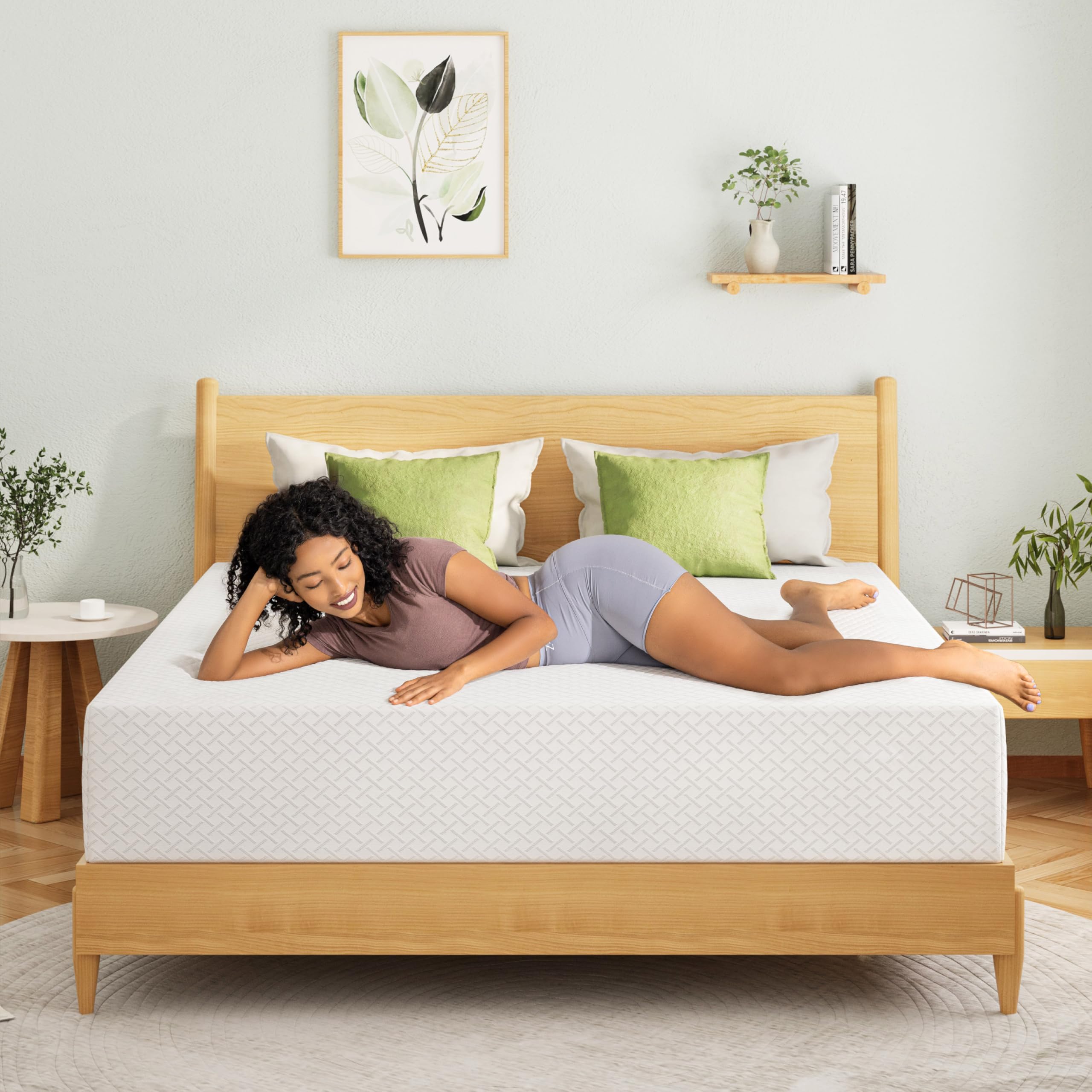
Zinus 12" Cooling
Key Features
- Firmness: Medium
- Cooling Technology: Gel-infused, breathable cover
- Fiberglass-Free: Yes
- Thickness: 12"
- Price: Mid-Range
Zinus brings cooling gel and green tea freshness to a mid-range price point, offering a balanced medium feel that suits combination sleepers who run hot. The certified fiberglass-free construction adds peace of mind during pregnancy.
This mattress works well for back and stomach sleepers who want support with cooling, but lightweight side sleepers may find the surface too firm — a soft topper can resolve that. The off-gassing odor is milder than non-cooling versions and dissipates within a couple of days.
Pros
- Cooling gel layer helps hot sleepers stay comfortable through the night.
- Medium firmness provides good spinal alignment for back and side sleeping.
- Certified fiberglass-free and low-VOC foams are safe for pregnancy.
Cons
- Firmness can feel too hard for lightweight side sleepers, so a topper may be necessary for hip cushioning.
A solid mid-range pick if you prioritize cooling and safety over plushness; side sleepers should test with a topper.
Best for Back Sleepers, Low Odor
EGOHOME 12" Cooling
Key Features
- Firmness: Medium Firm
- Cooling Technology: Green tea gel, breathable
- Thickness: 12"
- Price: Mid-Range
Odor-sensitive pregnant buyers benefit from the fast off-gassing: its green tea gel foam airs out quickly, unlike many competitors. The cooling layer works consistently without icy overcorrection, and the medium-firm surface provides solid back support. Compared to a more balanced cooling model in this lineup, this one commits to firmness over plush contouring.
Back and combination sleepers who want cool comfort and minimal odor at a mid-range price will find a strong match. Side sleepers, especially those under 180 pounds, may notice pressure on shoulders and hips over time—pairing with a gel topper preserves the cooling benefit while adding cushion.
Pros
- Effective cooling gel and pressure relief at a mid-range price
- Minimal off-gassing; airs out quickly—a practical bonus for pregnancy nausea
- CertiPUR-US certified foams and no fiberglass complaints, aligning with pregnancy safety preferences
Cons
- Medium-firm surface can cause shoulder and hip pressure for strict side sleepers, especially those with lower body weight
Back sleepers and combination sleepers who want reliable cooling and a scent-free start will appreciate this mattress; side sleepers can add a plush topper without blowing the budget.
Best for Lightweight Side Sleepers
Zinus Cloud 10"
Key Features
- Firmness: Plush
- Cooling Technology: Breathable cover
- Fiberglass-Free: Yes
- Thickness: 10"
- Price: Mid-Range
The Zinus Cloud 10" delivers deep, cradling softness that cushions hips and shoulders—ideal for lightweight side sleepers wanting a plush, cloud-like feel. It skips gel cooling for passive breathability, so it stays comfortable only for those who sleep cool naturally. Fiberglass-free and CertiPUR-US certified, it meets pregnancy safety requirements.
Lightweight pregnant side sleepers who prioritize a soft, hugging surface and sleep cool will appreciate it. The plush support can leave heavier users without enough lower-back alignment, and back pain has been reported in some cases. Motion isolation is a plus for partners, but the lack of active cooling rules it out for hot sleepers.
Pros
- Cloud-like plush feel cushions hips and shoulders for lightweight side sleepers
- Excellent motion isolation minimizes partner disturbance
- CertiPUR-US, OEKO-TEX certified, and fiberglass-free for pregnancy safety
Cons
- Lacks active cooling, relying on a breathable cover; some sleepers may feel warm
- Plush design may not support heavier bodies, and lower-back pain has been noted in some cases
A soft, hugging choice for lightweight side sleepers who sleep cool and need fiberglass-free reassurance, but skip it if you need firm lower-back support or gel cooling.
Best for Solo Sleepers, Plush
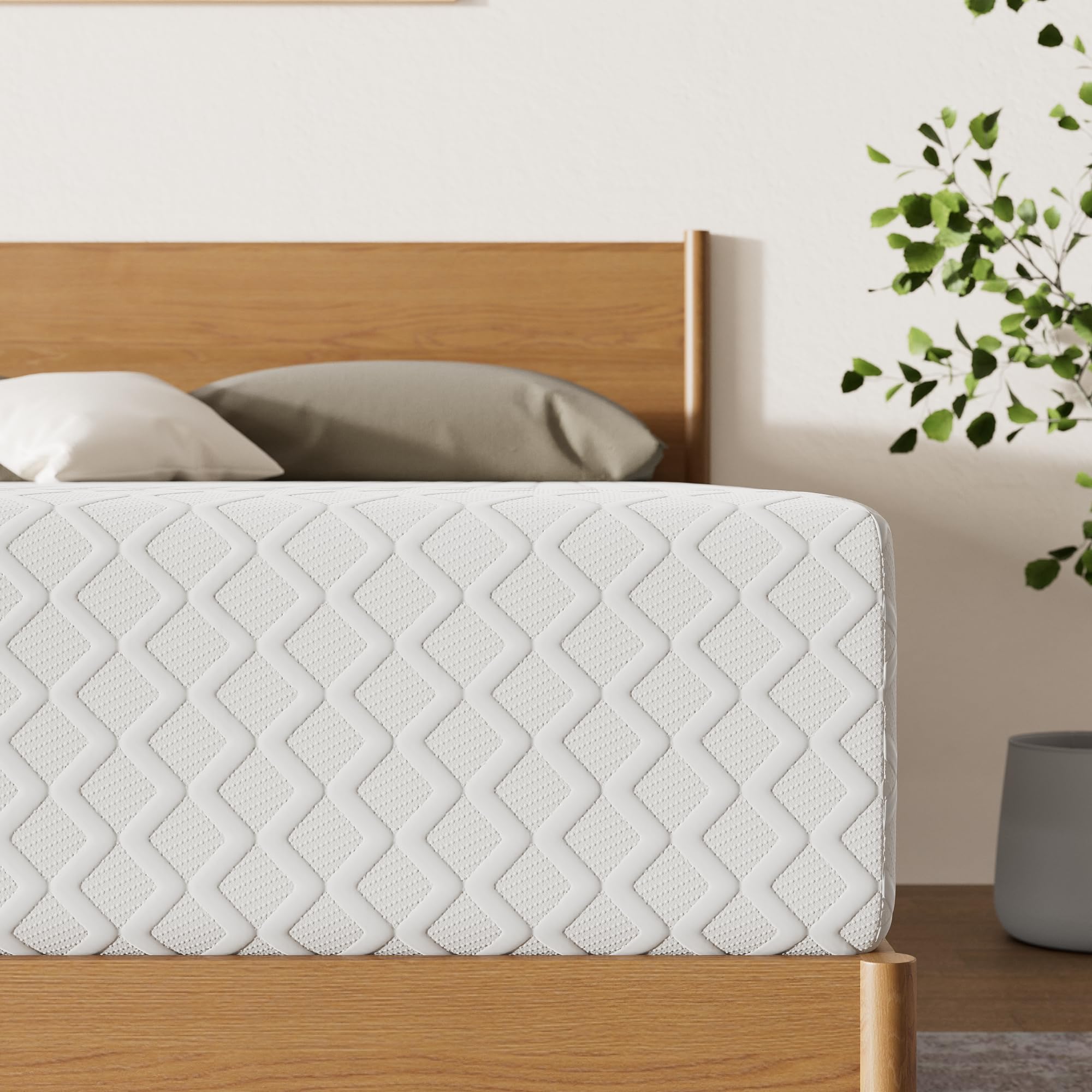
Ashley Chime 12" Full
Key Features
- Firmness: Extra Plush
- Cooling Technology: No gel
- Fiberglass-Free: Yes
- Thickness: 12"
- Price: Mid-Range
The all-foam construction cushions pressure points effectively, and the CertiPUR-US certification ensures a safer sleep environment. However, the feel can lean firmer than the extra-plush label suggests, and without a gel layer, it may sleep warm — tradeoffs that matter during pregnancy when temperature regulation and softness are front of mind.
Pros
- Pressure-relieving memory foam eases hip and shoulder discomfort.
- Fiberglass-free with CertiPUR-US certification for safer sleep.
Cons
- No active cooling layer; may retain heat in warmer bedrooms or for hot sleepers.
If fiberglass-free safety and pressure relief top your list and you sleep solo in a full-size bed, this mattress delivers value — as long as you’re not counting on cooling for hot flashes or summer heat.
Best for Back Pain, Cooling
MLILY EGOHOME 14"

Key Features
- Firmness: Medium Firm
- Cooling Technology: Copper gel, graphene cover
- Fiberglass-Free: Yes
- Thickness: 14"
- Price: Premium
CertiPUR-US foam, a fiberglass-free build, and a copper-graphene cover tackle overheating and safety concerns squarely. The medium-firm surface is ICA-endorsed for back support, suiting back sleepers with lumbar discomfort. The firm feel, however, can cause shoulder and hip pressure for side sleepers, and the no-return policy on opened mattresses adds risk when pregnancy comfort needs are unpredictable.
Pros
- Copper-graphene cover actively draws heat away and resists bacteria growth.
- ICA-endorsed support targets lower back discomfort directly.
Cons
- No returns once opened—you cannot test firmness during pregnancy without full financial commitment.
Worth a look only if you are a back-sleeping pregnant person with chronic back pain who is certain a medium-firm feel works for you—and you are willing to accept the no-return gamble.
Best for Lower Back Pain
Zinus Lumbar+ 14"
Key Features
- Firmness: Medium Firm
- Cooling Technology: Cooling gel, cool cover
- Fiberglass-Free: Yes
- Thickness: 14"
- Price: Premium
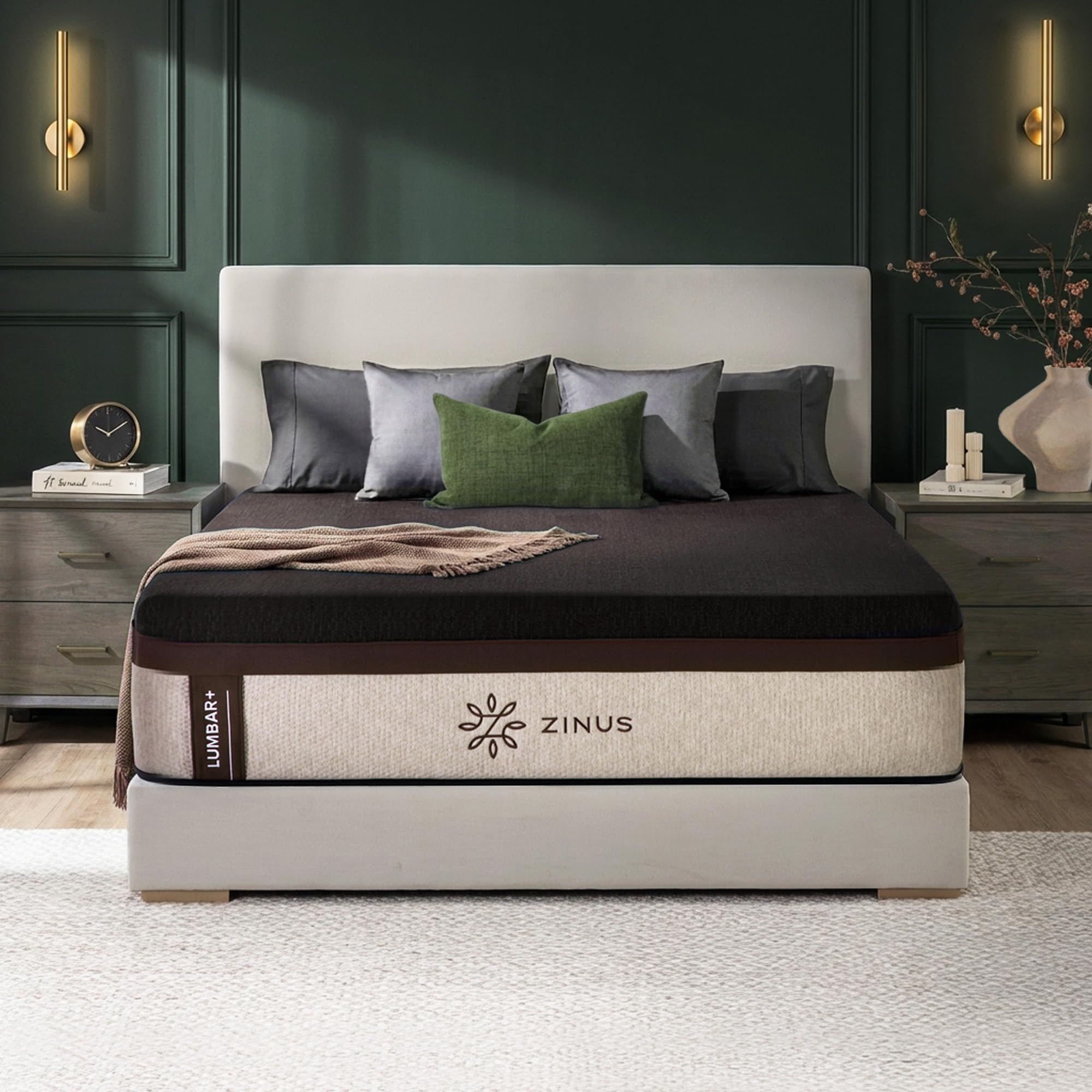
The Zinus Lumbar+ targets pregnancy-related back strain with a specialized 3-zone support system, a thick 14-inch profile, and cooling gel foam — all wrapped in certified-safe, fiberglass-free materials. The lumbar emphasis is a genuine design difference, but verifying it is difficult because Zinus pools its reviews across multiple mattress models, leaving no way to confirm the real-world back-pain relief independent of other, often cheaper, options. For a pregnant buyer whose lower back pain pushes her toward a focused lumbar design, this offers a plausible risk if she is willing to test the mattress on her own terms and rely on the return policy rather than user feedback.
Pros
- 3-zone lumbar technology targets lower back strain with dedicated support zones.
- 14-inch profile combines cooling gel foam with CertiPUR-US, OEKO-TEX, and fiberglass-free construction.
Cons
- Real-world lumbar performance is unverifiable because reviews are syndicated from other Zinus models, masking this mattress’s actual behavior.
A speculative pick for pregnant women with lower back pain who prioritize a lumbar-focused design and are comfortable relying on their own trial rather than model-specific feedback.
Best for Lightweight, Plush
Amazon Basics 12"

Key Features
- Firmness: Plush
- Cooling Technology: Ventilation holes
- Thickness: 12"
- Price: Budget
The Amazon Basics 12-inch memory foam mattress delivers a soft, plush feel at an entry-level price, with minimal off-gassing. Lacking active cooling and with plush support that may not hold heavier bodies, it’s a viable choice for lightweight, cool-sleeping side sleepers and guest rooms. Hot sleepers or those needing firmer lumbar support aren’t the target here.
Pros
- Plush cushioning that relieves pressure points at a budget-friendly price.
- Low initial odor, simpler setup for scent-sensitive buyers.
Cons
- No active cooling layer — ventilation holes alone may not keep hot sleepers comfortable.
For lightweight, cool-sleeping pregnant women seeking soft pressure relief on a budget, this mattress works — hot sleepers or those needing firmer support should consider alternatives.
How to Choose
A pregnancy mattress isn’t just about softness—it’s a support system that must accommodate growing weight, changing sleep positions, and heightened sensitivity to heat and chemicals.
Firmness Level
Firmness directly shapes spinal alignment. Too soft and the pelvis sinks, tilting the lower spine and straining ligaments already under pregnancy hormones. Too firm creates pressure points at hips and shoulders, especially for side-sleeping positions that doctors recommend later in pregnancy.
The sweet spot is medium to medium-firm—enough give to cushion, but enough pushback to keep the spine neutral. Many women find that a plusher mattress feels cozy in the first trimester but leads to lower-back ache as weight increases, making a supportive core non-negotiable.
Cooling Technology
Cooling layers like gel beads, copper infusions, or graphene work by conducting heat away from the body and dispersing it, not by actively chilling the surface. If the room is warm or heavy bedding traps air, even a gel mattress can sleep hot.
Breathable covers and moisture-wicking sheets amplify any cooling tech. For pregnancy night sweats, a mattress that promises only passive airflow may fall short—gel memory foam paired with a cotton protector delivers the most consistent temperature control.
Fiberglass-Free Certification and Safety
CertiPUR-US only verifies low VOC emissions from foam; it does not guarantee a fiberglass-free fire barrier. Some budget brands embed fiberglass yarn inside the cover, which can leak microscopic shards if the zipper is opened—causing skin irritation, eye pain, and respiratory issues.
Pregnant women face heightened sensitivity to airborne irritants, making explicit ‘fiberglass-free’ language or a clear OEKO-TEX certification essential. Always check the Q&A section or manufacturer product page for that confirmation before purchasing.
Pressure Relief and Zoned Support
Zoned support means the mattress varies firmness in different areas—softer under shoulders and hips, firmer under the lower back. This targets the two biggest pregnancy pain points: hip pressure from side sleeping and lumbar sag from an unsupported belly.
Without zoning, even a medium-firm mattress can collapse in the middle, tilting the pelvis forward. A clear lumbar pocket or transition layer that firms up near the midsection helps maintain natural curvature and reduces the deep backache many women feel by morning.
Mattress Thickness
Thickness determines how much compression depth sits between you and the support base. A 10-inch mattress with dense foundation layers can work for lighter individuals, but as pregnancy weight increases, that same surface may compress enough to feel slats or springs beneath.
Twelve to 14 inches is the reliability zone for deep pressure relief and longevity. A 14-inch profile adds extra assurance that you won’t bottom out, though it can make the bed noticeably taller—confirm your sheets and headboard height work with a thicker build.
FAQ
Is memory foam safe during pregnancy?
Yes, when it’s CertiPUR-US certified and explicitly fiberglass-free. Off-gassing from new foam usually dissipates within 48 to 72 hours—air the mattress in a well-ventilated room before use to minimize any temporary odor. Stick to brands that clearly disclose all materials and avoid any that use fiberglass as a fire barrier.
Why does my cooling gel mattress still sleep hot?
Cooling gel absorbs your body heat and releases it slowly; it doesn’t actively chill the surface. If your bedroom is warm, you use a waterproof protector that blocks airflow, or your sheets trap heat, the gel layer can become saturated and stop working. Often, switching to breathable cotton sheets and adding a fan makes a bigger difference than the gel itself.
Do I need a fiberglass-free mattress when pregnant?
Absolutely. Fiberglass is used in some budget beds as a cheap fire sock. If the cover is unzipped or torn, tiny glass fibers can spread throughout the room, causing skin rashes, eye irritation, and respiratory issues—risks that are especially unwelcome during pregnancy. Always verify ‘fiberglass-free’ in the product specs or manufacturer Q&A before committing.
What firmness is best for pregnancy back pain?
Medium to medium-firm with zoned lumbar support provides the safest spine alignment. Side sleepers need enough give to relieve pressure on hips and shoulders, but the lower back must not sink—otherwise the pelvis tilts, straining already relaxed ligaments. Many women with back pain find that a mattress with a dedicated lumbar zone or firm enough pushback prevents that morning ache.