
This post contains affiliate links. We may earn a small commission when you buy through our links — at no extra cost to you.
Few bedding purchases feel as hopeful as a new cotton duvet cover—until it arrives stiff, scratchy, or begins to fray after a few washes. Many covers look stunning in photos but disappoint in the hand. The gap between marketing promises and lived-in softness can leave you wondering if 100% cotton is even worth the hype.
The reality is that genuine long-staple cotton almost always softens over time. The difference lies in construction: zippers that don’t self-destruct, seams that hold, and fabrics that don’t pill or tear. This guide zeroes in on the covers that consistently deliver that lived-in softness and structural integrity, so you can choose the texture and look that fits your bedroom—sateen, washed cotton, jersey, or waffle—without worrying if it will survive the season.
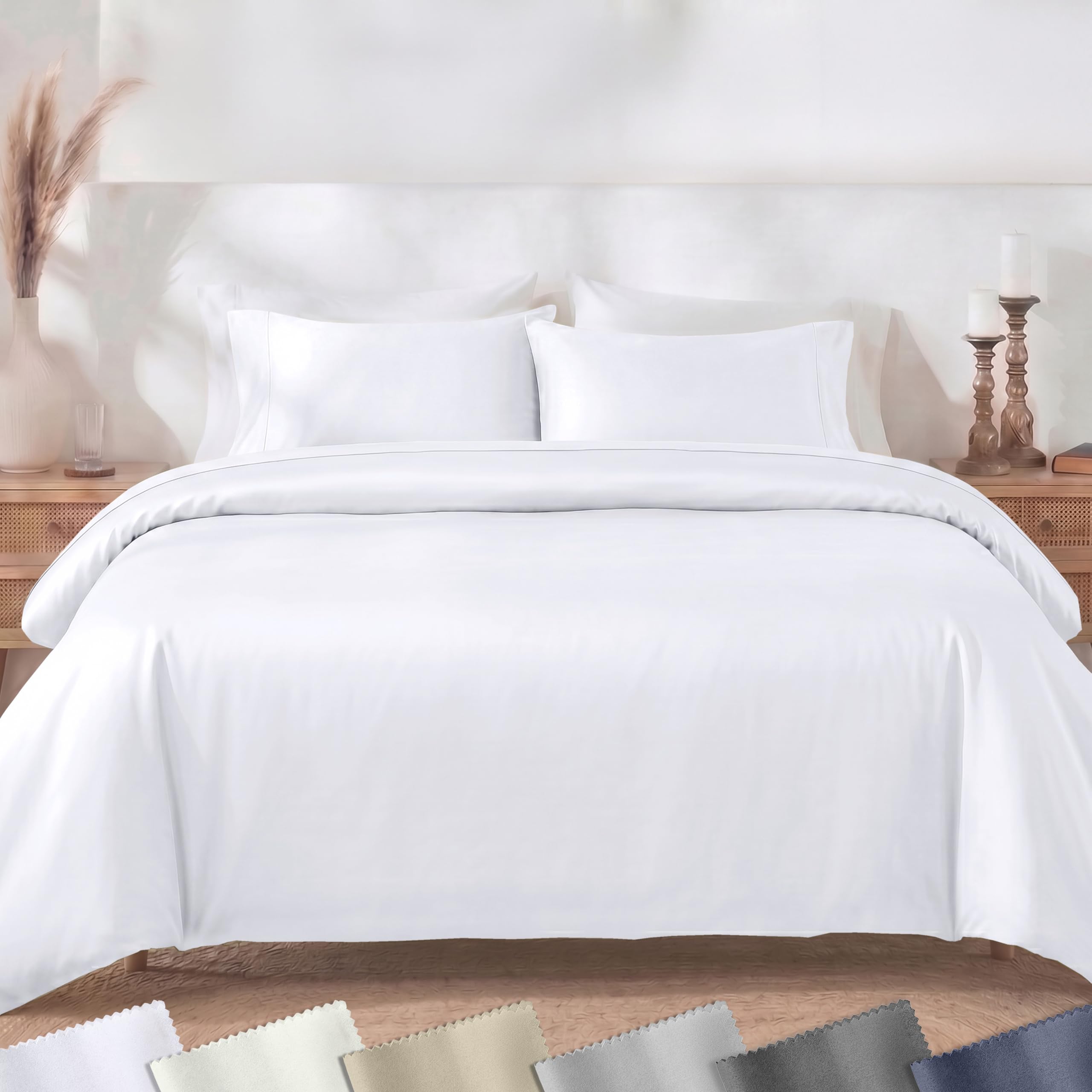


Best for Crisp Hotel Sateen
Cal Design Den Sateen
Key Features
- Material & Weave: 100% long-staple cotton sateen
- Thread Count: 400
- Closure & Corner Ties: Hidden button, 4 ties
- Price: Mid-Range
California Design Den’s 400-thread-count long-staple sateen duvet cover delivers a crisp, hotel-grade sheen that resists pilling and stays smooth wash after wash. The 100% cotton sateen has a silky hand that noticeably softens after a few cycles, and the generous 92-by-90-inch dimensions accommodate most queen and full comforters without shifting. Stitching and internal corner ties are precisely done—no loose threads or fraying—and the breathable weave keeps sleep cool and comfortable. Unlike some sateens that wrinkle aggressively, this cover holds a neat, composed look with minimal fuss.
This duvet cover is for the buyer who wants a crisp, all-white luxury anchor without fragile construction or a designer price. It earned a Good Housekeeping Best Bedding Award in 2025 and carries OEKO-TEX certification, so materials are safe and quality is independently validated. The hidden button closure delivers a sewn-in look, but if you prefer the speed of a zipper, you may notice the extra moment it takes to fasten. Still, for a fresh, wrinkle-resistant sateen that outlasts many costlier counterparts, it’s the benchmark.
Pros
- Silky sateen that grows softer with each wash and stays gentle on skin.
- Precise stitching and durable construction that withstands regular laundering.
- Crisp, hotel-like sheen that elevates a bedroom without looking fussy.
Cons
- Hidden button closure instead of a zipper may make duvet changes slightly slower.
A duvet cover that sets the standard for hotel-style sateen at a mid-range price—crisp, durable, and validated by independent awards, with no meaningful durability trade-offs beyond a button closure preference.
Best for Relaxed Linen Look
MooMee Washed Cotton Duvet
Key Features
- Material & Weave: 100% washed cotton, linen-like
- Thread Count: 200
- Closure & Corner Ties: Hidden zipper, 8 ties
- Price: Mid-Range
The washed cotton fabric softens significantly after laundering, draping with a relaxed hotel-resort ease that naturally hides creases. Its heathered tannish grey brings a nuanced, organic look that reads more expensive than solidly-dyed linen alternatives.
Breathable against the skin and never scratchy, the cover stays comfortable year-round. Eight corner ties and a hidden zipper make duvet insertion simple. The main caveat: fabric may fray or tear under moderate strain, so the cover fares best in quiet adult spaces rather than homes with energetic kids or pets.
Pros
- Softens noticeably after washing, developing a cozy, lived-in feel
- Heathered grey-beige tone looks organic and hides wrinkles effortlessly
- Attractive linen-like drape that appears far pricier than it is
Cons
- Fabric may fray or tear under strain, limiting long-term toughness
For calm adult spaces and guest rooms, this duvet mimics linen’s relaxed texture at a budget-friendly cost. Active households will stretch its limits.
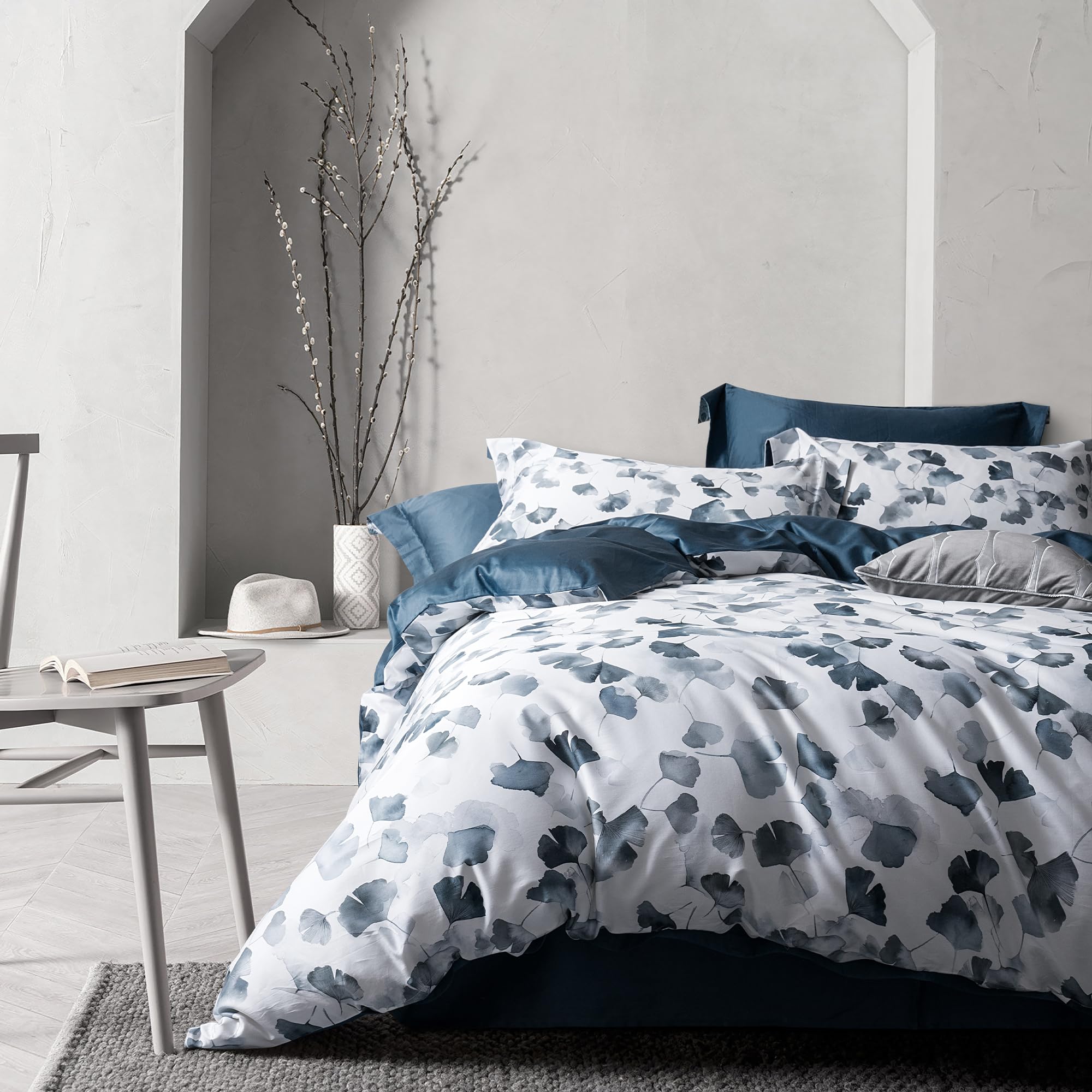
Best for Statement Botanical Print
MILDLY Ginkgo Duvet
Key Features
- Material & Weave: 100% long-staple cotton sateen
- Thread Count: 500
- Closure & Corner Ties: Hidden zipper, 4 ties
- Price: Premium
A fade-resistant ginkgo leaf pattern across silky 500-thread-count long-staple sateen sets this duvet cover apart from simpler hotel sateens. The 100% cotton fabric feels exceptionally smooth against the skin, with vibrant navy hues that stay rich wash after wash. OEKO-TEX certification backs the material quality. This is a design-first pick for someone who wants bedding to anchor a room’s aesthetic—and is ready to invest in a unique, high-end centerpiece. The bold botanical print won’t suit solid-color purists, and the premium price stretches beyond casual budgets, but for those craving something more expressive than a crisp white set, it delivers.
Pros
- Gorgeous botanical print brings high-end visual drama to the bedroom
- Silky-soft long-staple cotton feels smooth and comfortable
- Well-made construction with OEKO-TEX certification and vibrant, fade-resistant color
Cons
- Premium pricing may limit appeal for budget-focused shoppers
For those who view bedding as a design statement, the MILDLY ginkgo duvet cover offers a unique, high-end look with undeniable softness that justifies its premium cost.
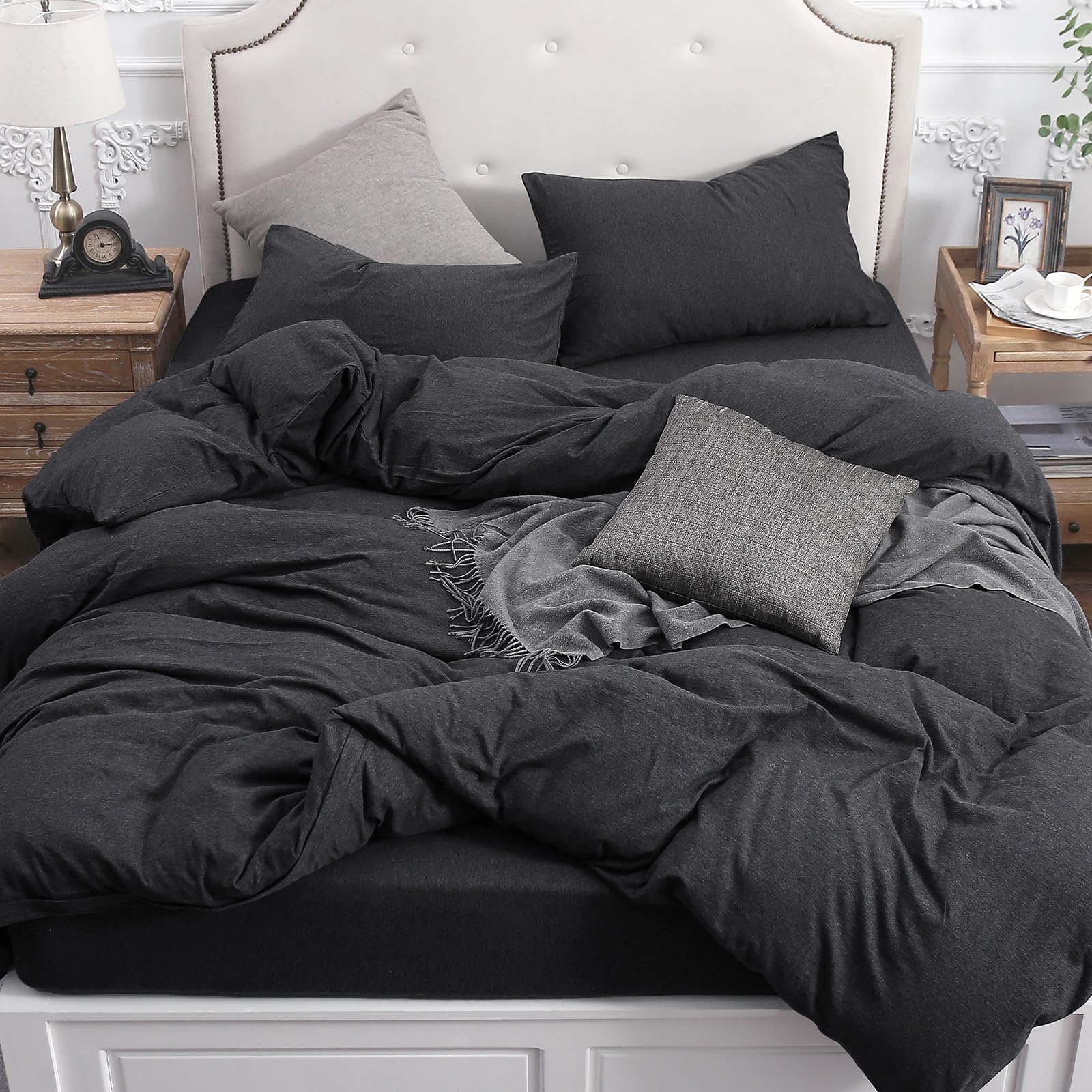
Best for Tee-Shirt Cozy
PURE ERA Jersey Knit
Key Features
- Material & Weave: 100% cotton jersey knit
- Closure & Corner Ties: Hidden zipper, 8 ties
- Price: Mid-Range
This duvet cover stands alone as the jersey knit option among our picks, using a 100% cotton knit that feels like that one tee you never want to take off. Cold sleepers and anyone who craves the drape and warmth of a favorite sweatshirt will find it instantly comforting. The hidden zipper and eight corner ties keep it securely in place, adding a practical touch. Note that this knit can trap body heat, so those who sleep hot or want crisp, percale-like breathability will be better served by a sateen or percale weave.
Pros
- Soft like a well-worn t-shirt, with a stretchy jersey feel.
- Warm and cozy construction perfect for cold sleepers and winter.
- Hidden zipper and eight interior ties prevent shifting and bunching.
Cons
If t-shirt softness and year-round coziness are your top priority, this is the most inviting duvet cover you can buy—just be aware it lacks the cool, crisp feel some prefer.
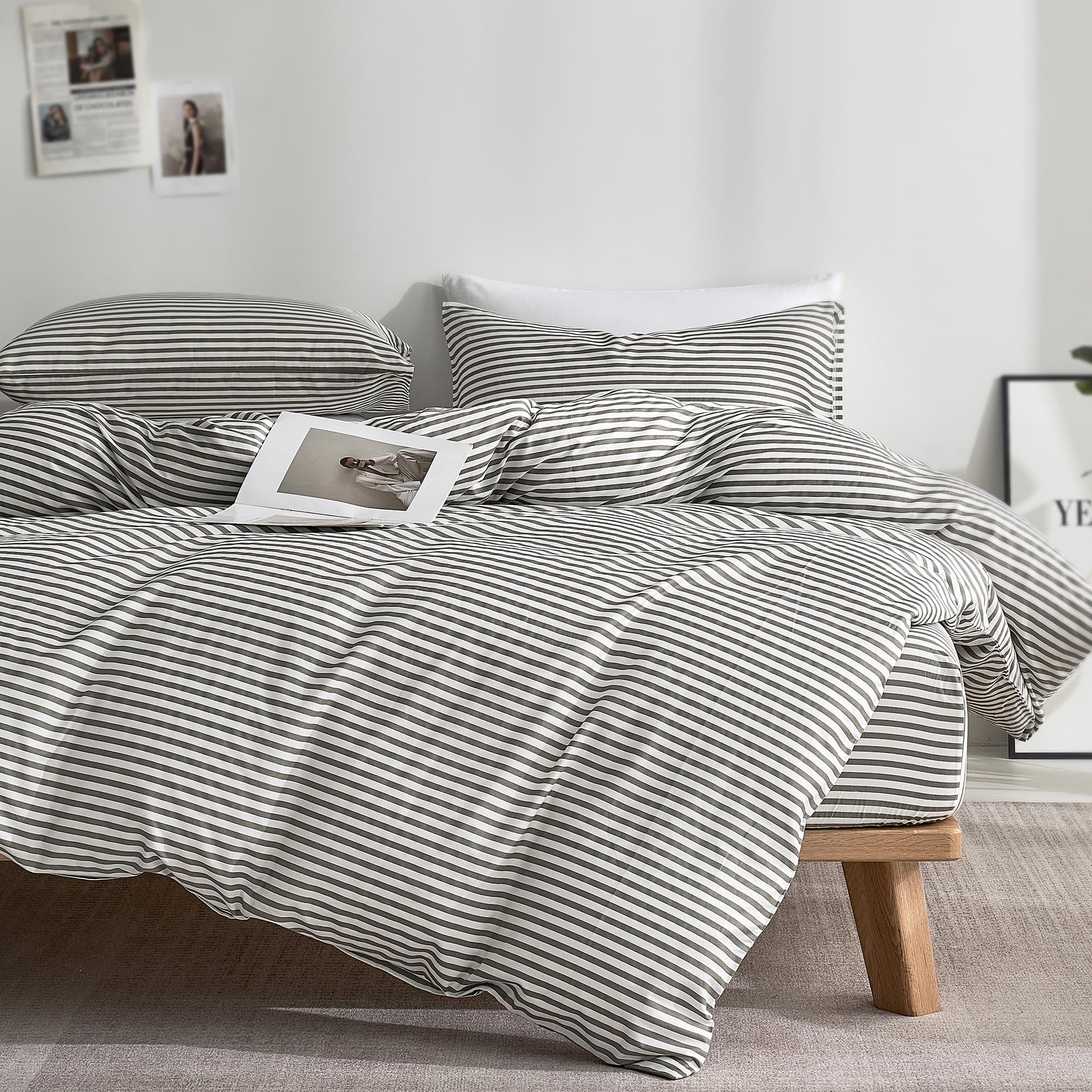
Best for Farmhouse Stripe Look
JELLYMONI Striped Duvet Cover
Key Features
- Material & Weave: 100% natural cotton
- Thread Count: 400
- Closure & Corner Ties: Hidden zipper, 6 ties
- Price: Budget
This 100% cotton duvet cover softens noticeably after its first wash, developing a worn-in comfort that suits farmhouse and casual bedrooms. With a denser 400-thread-count weave than the slimmer striped budget option, it keeps a relaxed drape rather than a crisp sateen look. Six corner ties keep the insert from shifting. The hidden zipper glides smoothly but can be delicate under high-heat drying; sticking to low heat or air-drying helps it last.
Pros
- Gets noticeably softer after the first wash
- Striped design matches product images well
- Strong value for a 100% cotton set with six ties
Cons
- Zipper can be delicate, with occasional breakage after high-heat drying
For shoppers who want a soft, striped cotton duvet cover with a cozy farmhouse feel and don’t need a sateen finish or extremely rugged zipper, this set delivers exceptional comfort at a budget-friendly price.
Best for Buttery Soft Sateen
Pizuna Sateen Duvet
Key Features
- Material & Weave: 100% long-staple combed cotton sateen
- Thread Count: 400
- Closure & Corner Ties: Hidden button, 4 ties
- Price: Premium
Cloud-soft sateen made from long-staple combed cotton gives this duvet cover a silk-like feel that actually improves over time. The 400-thread-count weave is breathable and smooth, backed by OEKO-TEX certification for peace of mind. Pronounced wrinkling is the tradeoff—achieving a crisp, hotel-like look demands ironing or a steamer, a reality of pure cotton. This cover fits buyers who value exceptional softness above a wrinkle-free finish, and hot sleepers who want a lightweight, airy fabric. Those who dislike visible creases may find the maintenance a poor match.
Pros
- Silky, long-staple cotton that softens further with use
- Fade-resistant bright white that holds up wash after wash
- Breathable weave stays cool and comfortable for hot sleepers
Cons
- Wrinkles visibly after laundering, requiring ironing or steaming for a pressed look
A strong option for anyone who values the tactile softness of long-staple cotton over a press-perfect look, with the added assurance of OEKO-TEX certification.
Best for Botanical Pattern Value
OAITE Leaf Duvet Cover

Key Features
- Material & Weave: 100% natural cotton
- Thread Count: 400
- Closure & Corner Ties: Hidden zipper, ties present
- Price: Budget
A silky-soft cotton duvet with a vibrant leaf print that looks pricier than it is, and the fabric softens further with each wash. The material is thinner than premium sateens, so it won’t satisfy those who want a heavy, substantial cover. Best suited for a guest room or secondary bedroom where the romantic botanical look is the priority.
Pros
- Silky-soft 100% cotton feel that continues to soften with every wash
- Elegant leaf print design that looks significantly more expensive than the budget price
Cons
- Fabric is thinner than many cotton duvet covers, lacking the substantial weight some prefer
Ideal for a guest room or secondary bedroom where the romantic leaf print and soft feel matter more than heavy fabric heft.
Best for Cozy Waffle Texture
Bedsure Waffle Duvet Cover
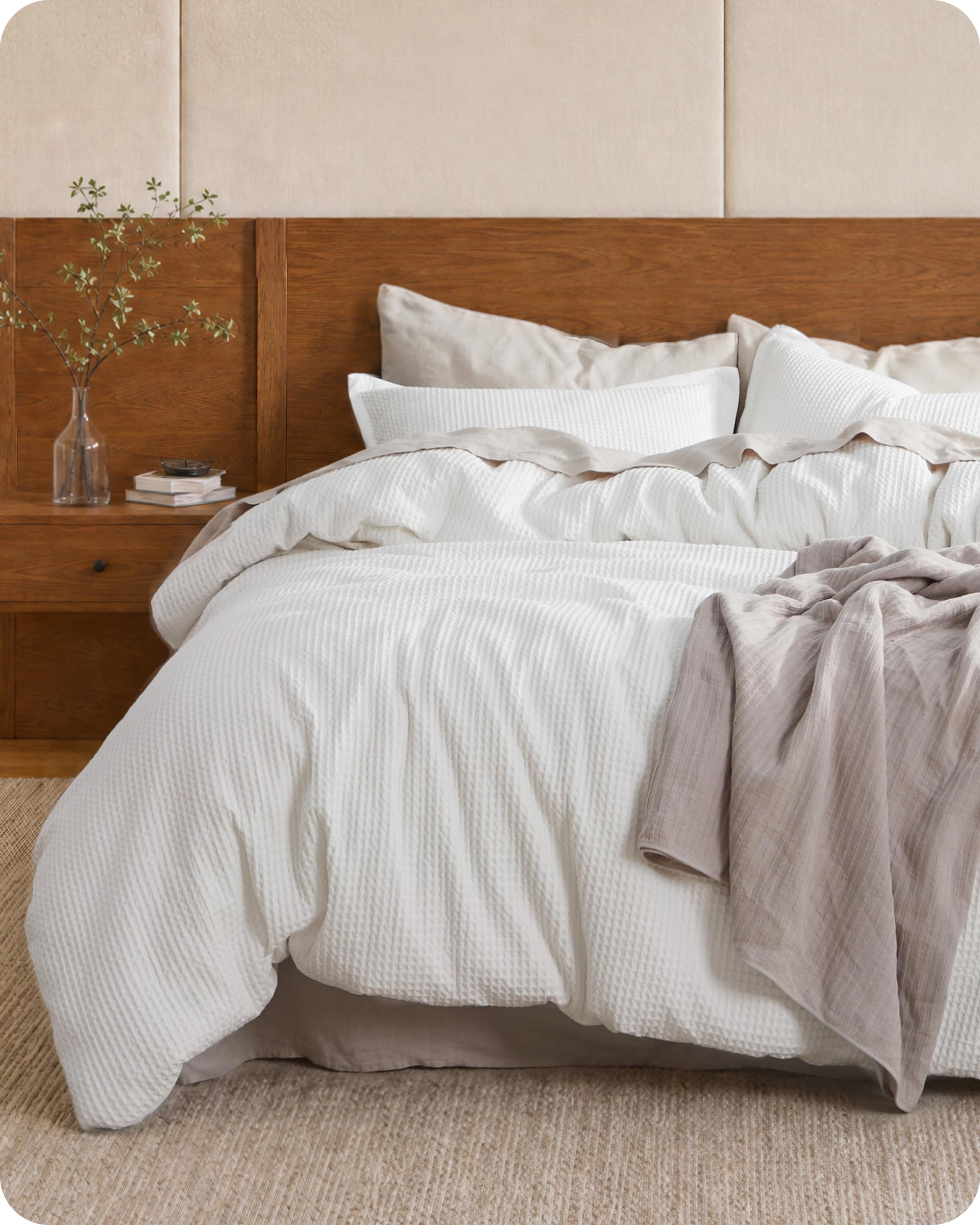
Key Features
- Material & Weave: 100% cotton waffle weave
- Thread Count: 184 (waffle)
- Closure & Corner Ties: Hidden button, 8 ties
- Price: Premium
The waffle weave’s sculptural texture and crisp white color give it a luxurious presence. Fabric durability can be temperamental; rips or button loss have been reported in limited cases. This suits design-focused buyers willing to handle it gently and avoid rough laundering or pets.
Pros
- Plush waffle texture stays soft and cozy wash after wash
- High-end, textured look that elevates bedroom décor
Cons
- Fabric rips or button loss can occur after limited use
Ideal for a guest bedroom or adult-only space where the cover won’t face heavy wear, and the waffle texture adds a design statement.
Best for Romantic Floral Print
HoneiLife Floral Duvet

Key Features
- Material & Weave: 100% cotton
- Thread Count: 400
- Closure & Corner Ties: Zipper, 8 ties
- Price: Budget
The HoneiLife duvet cover delivers a vibrant, reversible floral print on 100% cotton that softens noticeably after a few washes. The queen cover measures a true 90 by 90 inches but can feel snug on the sides with extra-fluffy inserts, making it better suited to standard-fill comforters.
Pros
- Romantic wildflower print with a high-end look and two color options in one set.
- Cotton fabric gets noticeably softer with each wash, shedding initial stiffness.
Cons
- Side fit can be snug with thicker comforters; worth measuring your insert before ordering.
Ideal for a cottagecore bedroom with a standard-depth queen comforter, where the reversible floral design and softening cotton outweigh the need for extra roomy sides.
Best for High-Thread-Count Sateen
SONORO KATE 1000 TC King
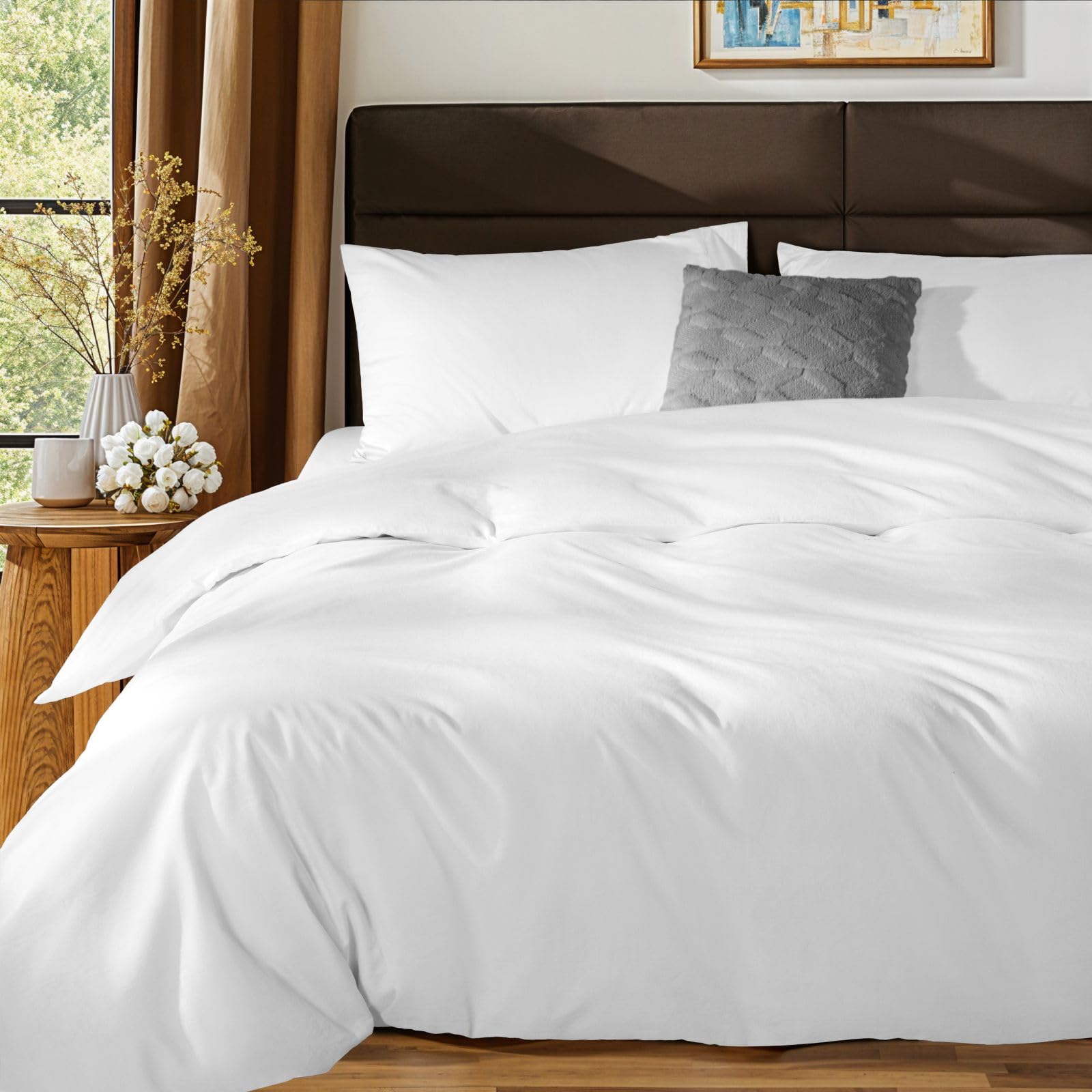
Key Features
- Material & Weave: 100% Egyptian cotton sateen
- Thread Count: 1000
- Closure & Corner Ties: Hidden zipper, 4 ties
- Price: Premium
This 1000-thread-count Egyptian cotton sateen cover offers a soft, smooth texture and thick, plush drape, with OEKO-TEX certification. It’s king-size only, and fit can be inconsistent on some mattresses, occasionally shifting or coming up short. Mixed durability signals also make its longevity less certain. Best for king-bed owners who prioritize plush feel over exact-fit precision.
Pros
- Soft, smooth sateen texture
- Thick, plush drape that feels cozy and substantial
Cons
- Fit can be inconsistent, with the cover shifting or coming up short on some mattresses
For king-bed owners who want a thick, soft Egyptian cotton feel and don’t mind a cover that may need occasional readjustment, this is a reasonable, plush option.
Best for Neutral Washed Cotton
FACE TWO FACE Washed Cotton

Key Features
- Material & Weave: 100% washed cotton
- Closure & Corner Ties: Hidden zipper, 4 ties
This gray washed cotton duvet nails the lived-in linen look and softens with each wash, while the heathered finish keeps wrinkles subtle. Without a confirmed price, weighing its value against competitors is guesswork. Zipper durability aligns with the category norm, so be prepared for occasional hardware attention.
Pros
- Well-made with quality stitching that stands up to regular laundering.
- Crisp white/grey colorway gives a clean, expensive look.
Cons
- Zipper may separate or break after limited use, requiring a repair.
If you’re set on a neutral gray washed cotton duvet and can live with occasional zipper repair, this is a viable option, provided the price at checkout meets your budget.
Best for Affordable Egyptian Cotton
Kotton Culture Egyptian Cotton
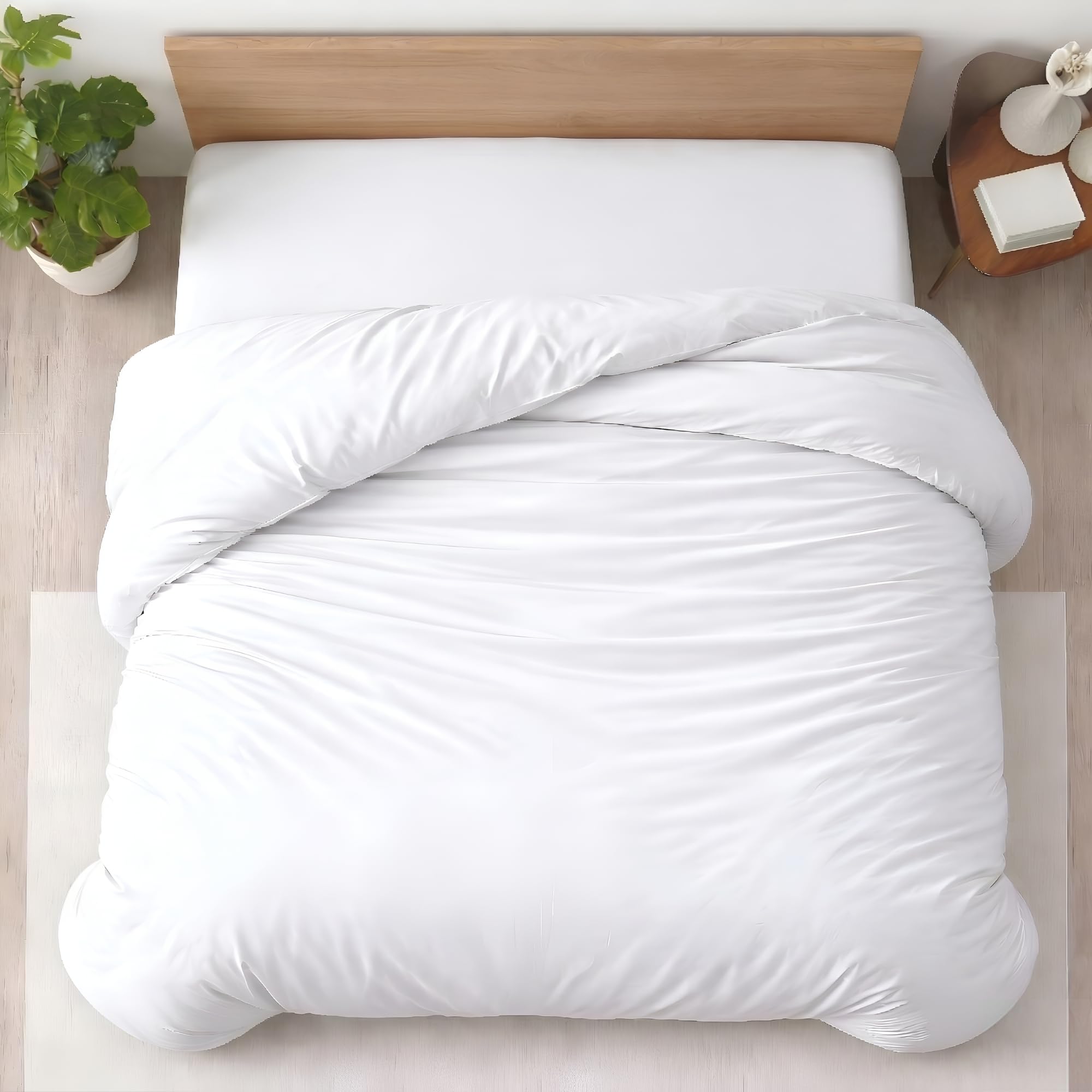
Key Features
- Material & Weave: 100% Egyptian cotton
- Thread Count: 600
- Closure & Corner Ties: Hidden zipper, 7 ties
- Price: Budget
The 600-thread-count cotton delivers a soft, breathable layer that becomes even cozier with each wash. Seven internal ties keep the insert from shifting. However, this is a single duvet cover—pillowcases aren’t included—and the hidden zipper may show weakness after repeated laundering. Gentle washing and line-drying help extend its life.
Pros
- Soft, luxurious feel that improves with washing
- Good value for Egyptian cotton at an entry price
Cons
- Zipper may separate or jam after several wash cycles; a gentle touch is required
A sensible pick if you already own matching pillowcases and wash duvets on a delicate cycle—the lower price opens the door to Egyptian cotton, but the zipper needs careful handling.
Best for Blue Linen Alternative
BESTOUCH Washed Cotton

Key Features
- Material & Weave: 100% washed cotton, linen feel
- Thread Count: 1200
- Closure & Corner Ties: Hidden zipper, 8 ties
- Price: Mid-Range
The cornflower blue shade is truly striking, and the washed cotton breaks in to a soft, non-scratchy drape that reads as linen without the steep price. The 1200-thread-count claim is marketing fluff — the wash creates the texture, not the thread count — and the hidden zipper can be less durable than on top competitors. Choose this for its color and relaxed aesthetic, not its specs.
Pros
- Washed cotton softens beautifully after laundering, achieving a cozy, non-scratchy feel.
- Rich cornflower blue color and relaxed texture mimic linen at a lower price.
Cons
- Zipper can be delicate; occasional breakage or misalignment has been noted.
If you’re after a relaxed, linen-look cotton duvet in a distinctive blue tone and don’t mind skeptical thread-count marketing, this set delivers a soft, inviting feel for the price — just treat the zipper gently.
How to Choose
The softness and lifespan of a cotton duvet cover depend far more on fiber length and weave than on advertised thread count alone.
Material & Weave
Sateen weaves feel silky and drape elegantly but can wrinkle and may trap slightly more body heat than percale. Percale is a plain weave that breathes crisply, ideal for hot sleepers, though it grows softer more slowly. Washed cotton and linen-look fabrics offer a relaxed, rumpled aesthetic straight out of the dryer—but that soft, lightly distressed surface is achieved by a mechanical process that can thin the fibers, making them more prone to fraying over time. Jersey knit, spun like a t-shirt, delivers immediate, stretchy softness and warmth at the expense of that crisp, cool sheet sensation.
Waffle weaves add sculptural texture and cozy heft, perfect for cold-weather bedrooms, but they snag more easily if you share the bed with a pet or wear jewelry to sleep. Match the weave to your tactile preference—not just the photo.
Thread Count
A high thread count on the label often means little if the yarns are short and weak. Long-staple or combed cotton—when genuinely used—creates a smoother, stronger surface even at 200 or 400 threads per square inch. Claims above 600 in mass-market bedding usually involve creative counting of multi-ply threads, not finer cotton. Look for the words “long-staple” or “combed” rather than trusting an inflated number.
In practice, a 400-thread-count sateen woven from long-staple cotton will outperform a 1000-thread-count mystery blend in both softness and durability.
Closure & Corner Ties
Hidden zippers slide in a comforter faster and create a cleaner edge, but repeated high-heat drying cycles stress the tiny components—especially on budget covers. Dual-head zippers distribute the tension better. Button closures eliminate the zipper-failure risk but can come unbuttoned if the placket is shallow or the buttons are sewn on loosely.
Corner ties matter most with slippery inserts. At least four ties, matched to your duvet’s loops, prevent the insert from sliding into a lopsided lump. Eight ties give extra security for very fluffy comforters.
Wrinkle Resistance & Care
All 100% cotton wrinkles to some degree. Sateen resists creasing better than percale, and washed cotton’s intentionally rumpled look hides wrinkles completely. If a crisp, ironed finish matters, note that even premium long-staple sateens like Pizuna may need a steam or iron after washing. Jersey knit bounces back wrinkle-free but shows snags more visibly.
Care labels routinely permit machine washing and low-heat drying. Removing the cover while just slightly damp and smoothing it onto the bed reduces set-in creases without an iron.
Durability
The biggest hidden trade-off in this category is the linen-like washed cotton look versus long-term wear. The softening process that gives these covers their lived-in texture can also weaken the fabric, leading to fraying or tears along seams after moderate use—especially if yanked or abraded by pets. Traditional sateen and percale covers, when properly sewn, tend to outlast them.
Zipper hardware is the other weak point. Look for thick, smoothly gliding zippers with metal or reinforced plastic teeth, and make a habit of closing them before washing to prevent snags.
FAQ
Why is my new cotton duvet cover scratchy even though it’s 100% cotton?
Most cotton bedding arrives with leftover starch or sizing from manufacturing, which makes it feel stiff. Wash it once or twice using warm water, a half-cup of white vinegar in the rinse cycle, and a low-heat dry to dissolve the coating and release the natural softness. If it’s still rough, the cotton fibers may be short; long-staple cotton softens more readily.
Do cotton duvet covers with zippers hold up in the washing machine?
Zipper durability varies by construction. Close the zipper fully before washing, use a gentle cycle, and avoid high-heat drying to reduce stress on the teeth and slider. Dual-head zippers and those with thick metal or reinforced plastic tend to survive frequent washing better than thin, single-head versions found on some budget covers.
How do I prevent my cotton duvet cover from wrinkling so much?
Take the cover out of the dryer while still slightly damp, spread it on the bed, and smooth it with your hands to release set-in creases. If you want a crisp finish, a warm iron or handheld steamer on the sateen or percale side works quickly. Washed cotton and linen-look covers are meant to look relaxed, so wrinkles are part of the intended aesthetic.
Why does my duvet insert bunch up inside the cover even with corner ties?
The ties might not align with the loops on your insert, or the loops themselves may be too small or missing. Use all available ties and consider adding extra clips or safety pins at the corners and midpoint of each side to lock the insert in place. For very fluffy or slippery down inserts, an 8-tie cover with deep corner pockets works best.