
This post contains affiliate links. We may earn a small commission when you buy through our links — at no extra cost to you.
Most people shopping for sleep earplugs fixate on the noise reduction rating — the bigger the number, the better, right? But a 33 dB plug that doesn’t seal properly or hurts when you roll onto your side won’t help anyone sleep. The category’s real divide is between earplugs that fit so well you forget they’re in, and those that deliver brute-force silence at the cost of comfort. Neither is universally ‘better’ — it depends entirely on your ear anatomy and how you sleep.
We’ve organized the standouts around these trade-offs, from foam that’s been clinically shaped for small canals to moldable putty that eliminates pressure for side sleepers. Whether you’re trying to block a freight-train snorer or just need to muffle street noise, the right pick is the one that stays sealed all night and doesn’t wake you up by falling out.
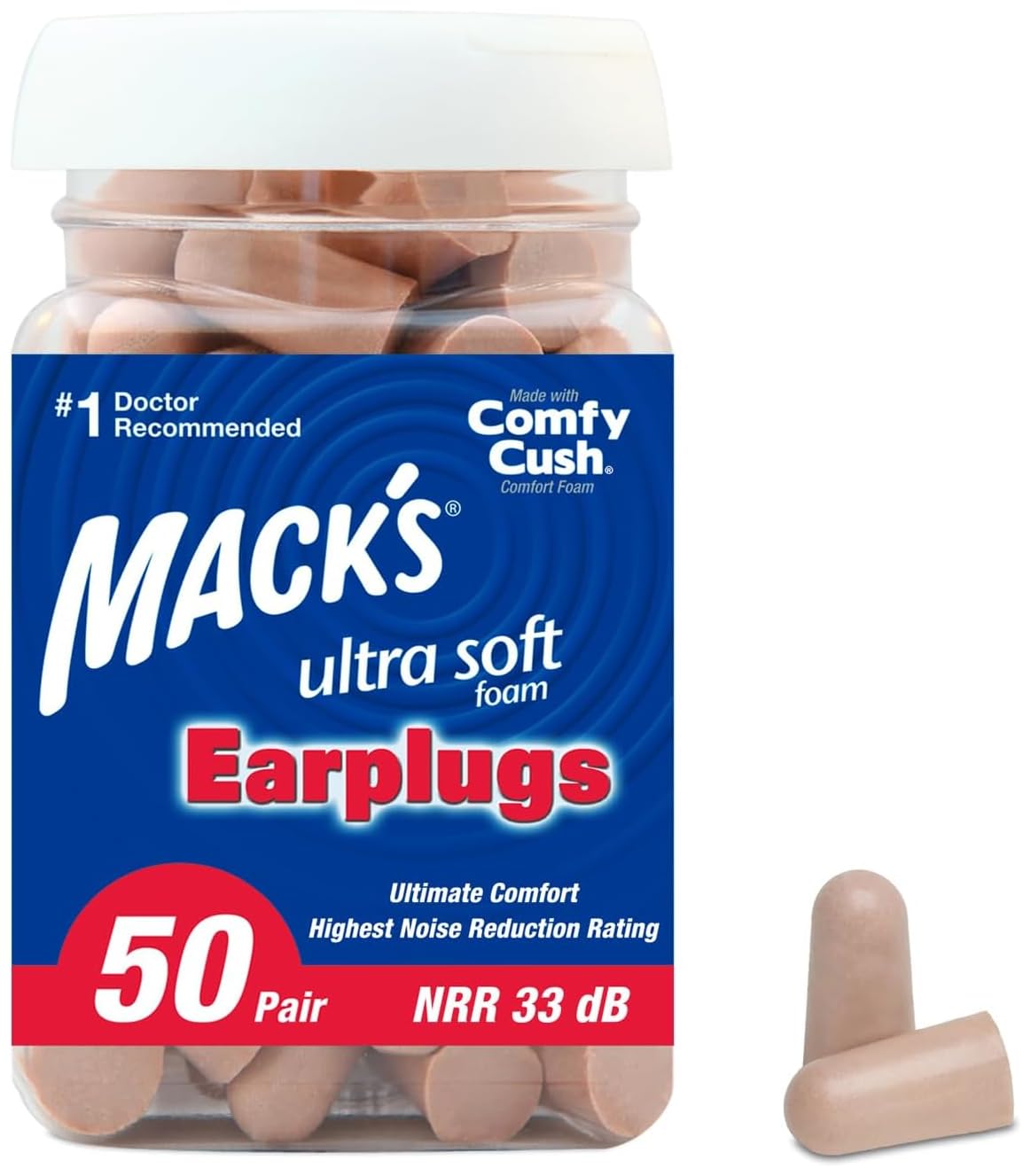


Best for Snoring Side Sleep
Mack’s Ultra Soft Foam
Key Features
- NRR: 33 dB
- Material & Form: Foam
- Pack Size & Value: 50 pairs, Budget
- Fit & Size: Standard
- Side-Sleeper: Flush low-pressure fit
- Price: Budget
Mack’s Ultra Soft Foam starts with the highest listed NRR here: 33 dB in a disposable foam plug that keeps the per-night cost low. For sleep, the appeal is the combination of strong noise reduction and soft, slow-release Comfy Cush foam that compresses easily, expands in the ear canal, and sits low enough for side sleeping without obvious pressure.
The sleep benefit is the balance: enough blocking for snoring, traffic, shared walls, and other bedroom noise, paired with a softer feel than firmer worksite-style plugs. The 50-pair pack also makes sense for nightly use, travel bags, guest rooms, and partners who need a spare pair without rationing them.
This fits light sleepers, couples dealing with snoring, and budget-focused buyers who want disposable foam rather than a specialty material. The boundary is fit: the standard size may not seal well for larger ear canals, so anyone who already finds regular foam plugs loose should consider a larger foam shape. Buyers who want reusable silicone or moldable wax should choose a different style.
Pros
- Strong snoring and household-noise blocking for sleep
- Soft foam supports all-night wear with less pressure
- Helps sleepers fall asleep and stay asleep
Cons
- Nightly use means disposable foam rather than a reusable or moldable plug
- Larger ear canals may not get a secure overnight seal
For sleep-focused noise blocking on a budget, this is the foam earplug to start with before moving into specialty shapes or materials.
Best for Small Ears
Mack’s Slim Fit Foam
Key Features
- NRR: 31 dB
- Material & Form: Foam
- Pack Size & Value: 50 pairs, Budget
- Fit & Size: Small ear canals
- Side-Sleeper: Tapered, flush
- Price: Budget
For those whose small ear canals make standard foam plugs unbearable, Mack’s Slim Fit earplugs are a practical solution. The tapered foam is 10% smaller than the typical Mack’s plug, creating a gentle seal that stays comfortable all night for side sleepers. Unlike the top pick’s high-NRR focus, these prioritize fit over maximum noise blocking.
They’re best for side sleepers with petite ears who need a bulk pack for nightly use. However, heavy snorers or those in loud environments may find the noise reduction falls short — the smaller size inherently blocks less sound. For moderate noise and mild snoring, they work well.
Pros
- Comfortable for small ear canals — no soreness after overnight wear
- Effective for moderate noise and snoring, especially for those with small ears
- Soft and gentle foam, less irritation than standard-sized plugs
Cons
- Noise reduction can be insufficient for heavy snoring
For side sleepers with small ear canals, the Slim Fit finally makes overnight wear painless. The noise reduction tradeoff is real, but it’s a fair one when fit is the bigger problem.
Best for Side Sleep, Swim
Mack’s Pillow Soft Silicone
Key Features
- NRR: 22 dB
- Material & Form: Silicone putty
- Pack Size & Value: 12 pairs, Mid-Range
- Fit & Size: Moldable, any size
- Side-Sleeper: No canal pressure
- Price: Mid-Range
Mack’s Pillow Soft Silicone earplugs trade deep canal insertion for a pliable putty that molds to the outer ear — a design that eliminates the pressure and soreness side sleepers often feel. The waterproof silicone covers the ear opening comfortably through the night and doubles as a swimmer’s plug. Noise reduction is modest (NRR 22 dB), but the 12-pair pack suits travelers and those who prioritize all-night comfort over maximum sound blocking.
These are for side sleepers, people with small or tender ear canals, and anyone who needs ear protection in water. The main tradeoff: the putty can lose its grip and may stick to hair or the pillow during sleep if not pressed firmly into place.
Pros
- Molds to the ear’s outer shape, eliminating canal pressure for side sleepers.
- Helps maintain uninterrupted sleep even with a snoring partner.
- Waterproof design suitable for swimming and showering.
Cons
- May lose grip overnight and stick to hair or pillow if not applied with care.
For side sleepers who find foam earplugs painful, Mack’s Pillow Soft Silicone is the comfort-first alternative — just press them in well and keep hair clear.
Best for Reusable Travel
Loop Quiet 2
Key Features
- NRR: 24 dB
- Material & Form: Silicone
- Pack Size & Value: 1 pair, Premium
- Fit & Size: 4 tip sizes (XS-L)
- Side-Sleeper: Low-profile
- Price: Premium
The Loop Quiet 2’s flexible silicone body rests nearly flush in the ear, and the included XS/S/M/L tips help find a secure, comfortable seal even when lying on your side. Unlike disposable foam, the plugs are made to last, reducing waste and the long-term cost of nightly use. The tradeoff is a 24 dB NRR, which lowers ambient hum and mild noises but struggles against heavy snoring or loud street sounds. This makes them a practical choice for light sleepers, travelers, and focus work where total silence isn’t required.
Pros
- Comfortable for side sleeping thanks to the low-profile shape and four ear tip sizes.
- Noticeably improves sleep quality for noise-sensitive light sleepers.
- Stylish reusable silicone build cuts down on disposable waste.
Cons
- 24 dB NRR may not block heavy snoring or loud traffic noise.
If you want a reusable, travel-friendly earplug for moderate noise and can accept that heavy snoring may still seep in, the Loop Quiet 2 is a well-designed alternative to foam.
Best for Comfort Focus
3M Ear Classic
Key Features
- NRR: 28 dB
- Material & Form: Polymer foam
- Pack Size & Value: 50 pairs, Mid-Range
- Fit & Size: Standard, cylindrical
- Side-Sleeper: Comfortable
- Price: Mid-Range
The 3M Ear Classic prioritizes comfort over maximum decibel blocking. Its cylindrical foam shape creates a gentle, pressure-free seal that side sleepers appreciate through the night. This makes it a strong fit for sleepers with average-to-large ear canals who prize all-night wearability and don’t need the highest noise isolation; extremely loud snoring or heavy city noise may still bleed through.
Pros
- Cylindrical foam shape provides a gentle, pressure-free seal for side sleepers and all-night wear.
- Delivers consistent noise reduction sufficient for most household sounds.
- Soft polymer foam stays comfortable without irritating the ear canal over extended hours.
Cons
- Cylindrical shape may feel oversized for very small ear canals.
For side sleepers who have found standard foam plugs too firm, these are the most comfortable option in the set.
Best for Trial Snoring
HEAROS Xtreme
Key Features
- NRR: 32 dB
- Material & Form: Polyurethane foam
- Pack Size & Value: 14 pairs, Budget
- Fit & Size: Standard
- Side-Sleeper: Flat back
- Price: Budget
With 32 dB NRR and a flat back shape, the HEAROS Xtreme blocks noise effectively while letting side sleepers sink into the pillow without pressure. The 14-pair pack works well as a trial before buying in bulk. The foam creates a snug seal that quiets loud snoring, but its larger diameter may not suit small ear canals — some users find the plug feels intrusive or falls out. Worth checking if you fit the sizing and want strong isolation for intermittent use, but daily sleepers who need value per pair should look at the top pick’s bigger box.
Pros
- Effective at muting loud snoring and environmental noise for uninterrupted sleep.
- Flat rear surface eliminates the protruding tip, preventing ear canal pressure during side sleeping.
- Helps fall asleep faster and stay asleep in noisy settings.
Cons
- Sizing may be too large for small ear canals, causing discomfort or slipping out.
A sensible starting point for occasional use or trying high-NRR foam for side sleeping — provided the ear canal size fits.
Best for Light Sleepers
LYSIAN Ultra Soft Foam
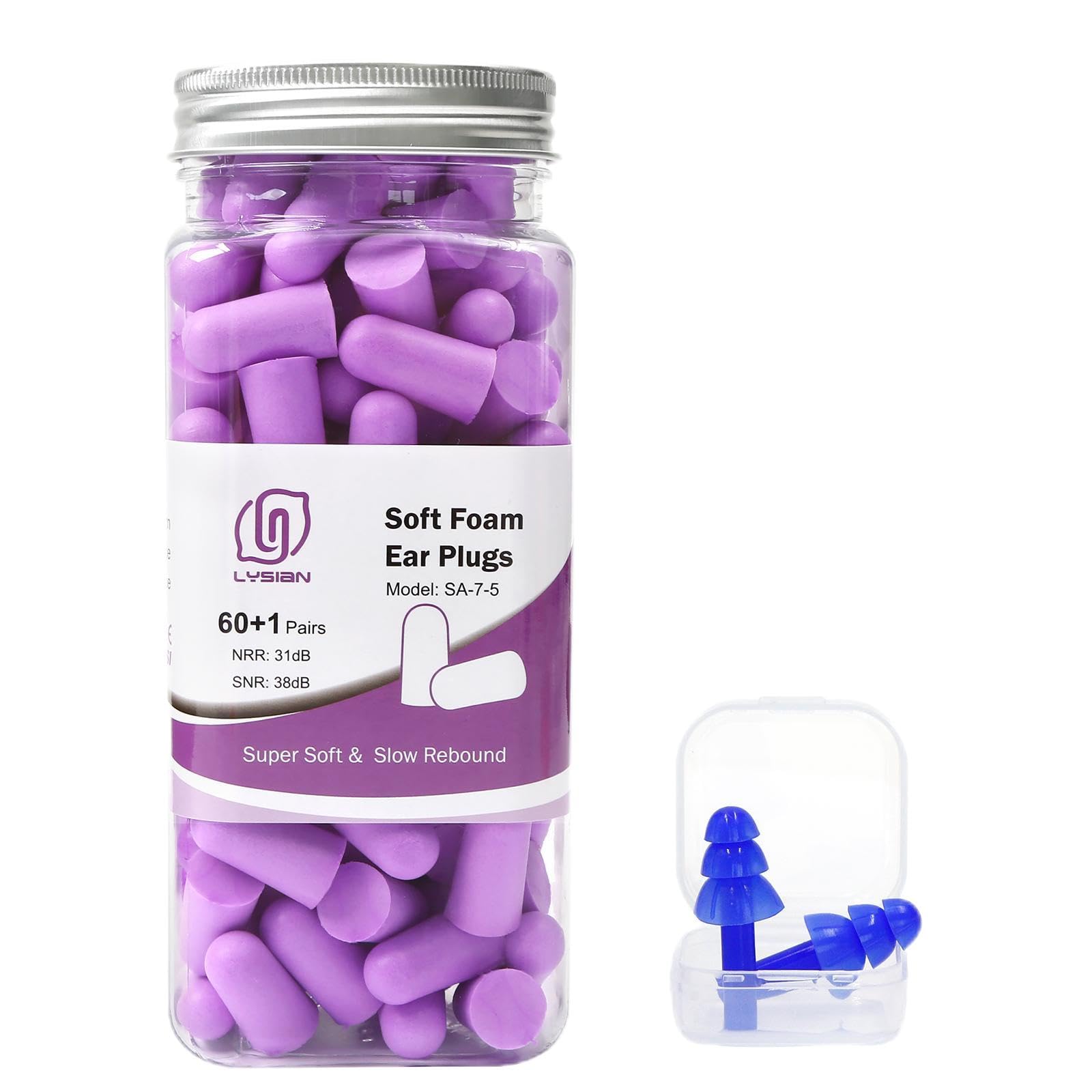
Key Features
- NRR: 31 dB
- Material & Form: Foam
- Pack Size & Value: 60 pairs, Budget
- Fit & Size: Standard
- Side-Sleeper: Soft, may not seal
- Price: Budget
The 60-pair pack offers unbeatable value, and the foam is notably soft, avoiding ear canal soreness. That softness can prevent a deep seal, though, so noise reduction may be incomplete — loud snoring can still cut through. These work best for light sleepers in environments with only mild ambient noise.
Pros
- Exceptionally soft foam stays comfortable all night without causing ear pressure.
- Massive 60-pair pack at a low cost, with a carrying case included.
Cons
- Soft foam may not seal deeply, allowing loud snoring or sharp noises to still be heard.
These earplugs are suited for light sleepers in mild-noise environments who want a comfortable, cheap disposable supply; those dealing with loud snoring need a higher-NRR plug.
Best for Corded Work
AZEN Corded Silicone
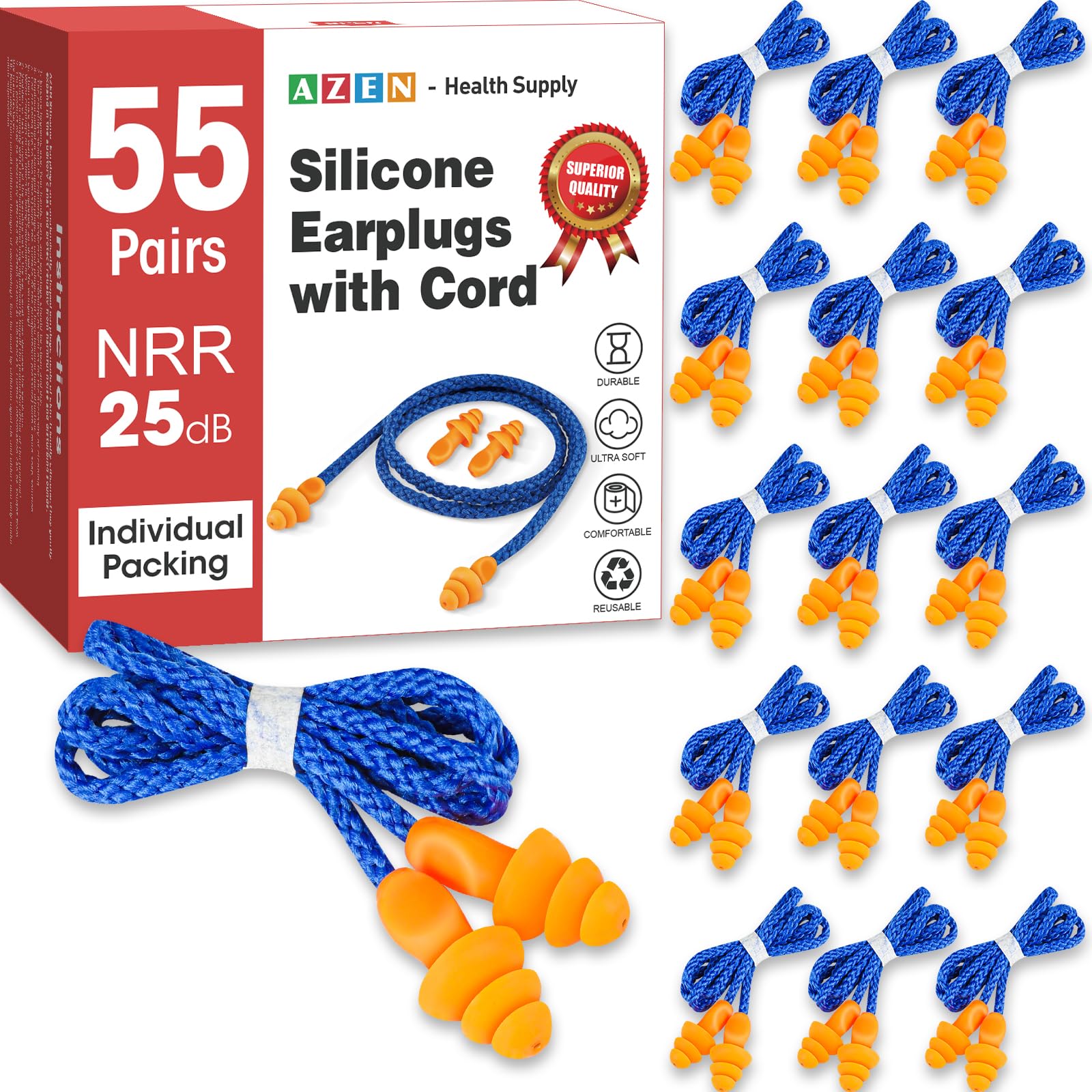
Key Features
- NRR: 25 dB
- Material & Form: Silicone (flanged, corded)
- Pack Size & Value: 55 pairs, Budget
- Fit & Size: Standard
- Side-Sleeper: Corded, flanged
- Price: Budget
The corded design prevents losing earplugs, and 55 pairs bring a per-pair cost that rivals disposables. Flanged silicone stays put for side sleepers and blocks household hums and light snoring. A 25 dB NRR won’t silence heavy snoring, but the low price makes this a frugal option for quiet bedrooms and workspace use.
Pros
- Corded design prevents dropping, and the per-pair price is nearly disposable level.
- Flanged silicone tips insert without pain and stay comfortable for hours.
Cons
- In a bedroom with a loud snoring partner, 25 dB NRR provides limited relief.
For light sleepers who want reusable, corded plugs that stay put and need to hush moderate ambient noise, this 55-pack is a cost-effective solution. Heavy snorers should look for higher-NRR foam.
Best for Moldable Swim
Peace&Quiet Wax Pillows
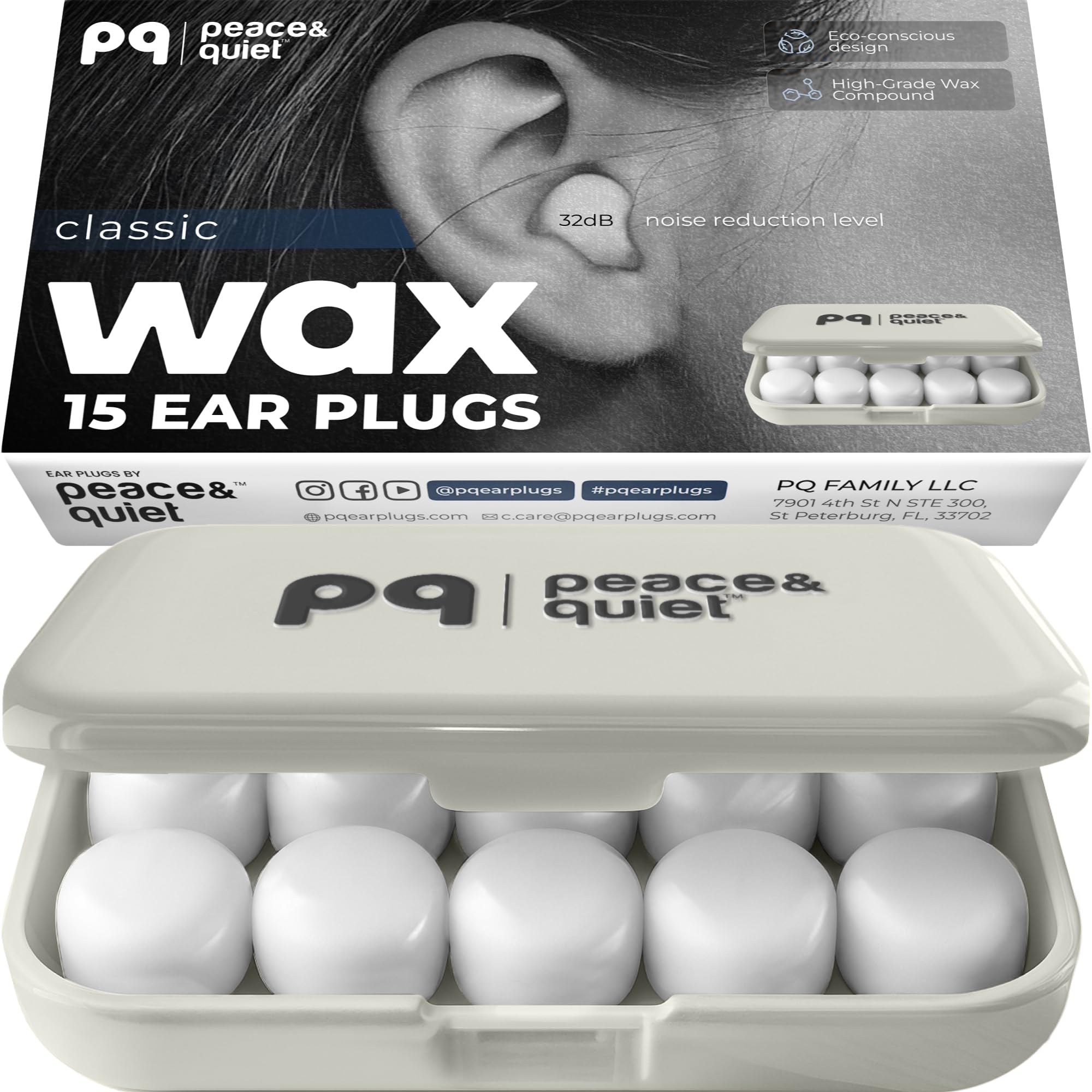
Key Features
- NRR: 32 dB (claimed)
- Material & Form: Wax/silicone blend
- Pack Size & Value: 15 pillows (30 uses), Mid-Range
- Fit & Size: Moldable
- Side-Sleeper: Flush, no pressure
- Price: Mid-Range
The wax and silicone blend softens with body heat to seal the ear canal, blocking snoring noise while staying comfortable for side sleepers. It can cling to hair and needs warming to mold properly; the claimed 32 dB reduction is unverified. Suits swimmers and sleepers who find foam painful and accept the occasional sticky morning.
Pros
- Molds to ear anatomy, eliminating pressure points that make foam plugs intolerable for side sleepers.
- Dampens snoring effectively enough to allow uninterrupted sleep.
Cons
A pressure-free wax option for side sleepers and swimmers who can’t tolerate foam, provided you warm them thoroughly and keep them clear of hair.
Best for Large Ears
Flents Protechs Foam

Key Features
- NRR: 33 dB
- Material & Form: Foam
- Pack Size & Value: 10 pairs, Budget
- Fit & Size: May run large
- Side-Sleeper: Soft foam
- Price: Budget
The Flents Protechs offer high noise reduction (NRR 33 dB) that can block loud snoring, with soft foam that works for side sleeping. However, they are larger than typical, and can cause discomfort, poor seal, or fallout unless your ear canals are bigger. That fit gamble makes them a risky blind buy for sleepers who need reliable all-night retention.
Pros
- Strong noise reduction that blocks snoring and ambient noise effectively.
- Soft foam that is comfortable for extended wear and side sleeping.
Cons
- Earplugs can be too large, causing discomfort, poor seal, or falling out for some sleepers.
A worthwhile trial pack for sleepers with larger ear canals who want maximum noise blocking on a budget, but anyone unsure of their ear size should look to a more universally sized foam plug.
Best for Compact Travel
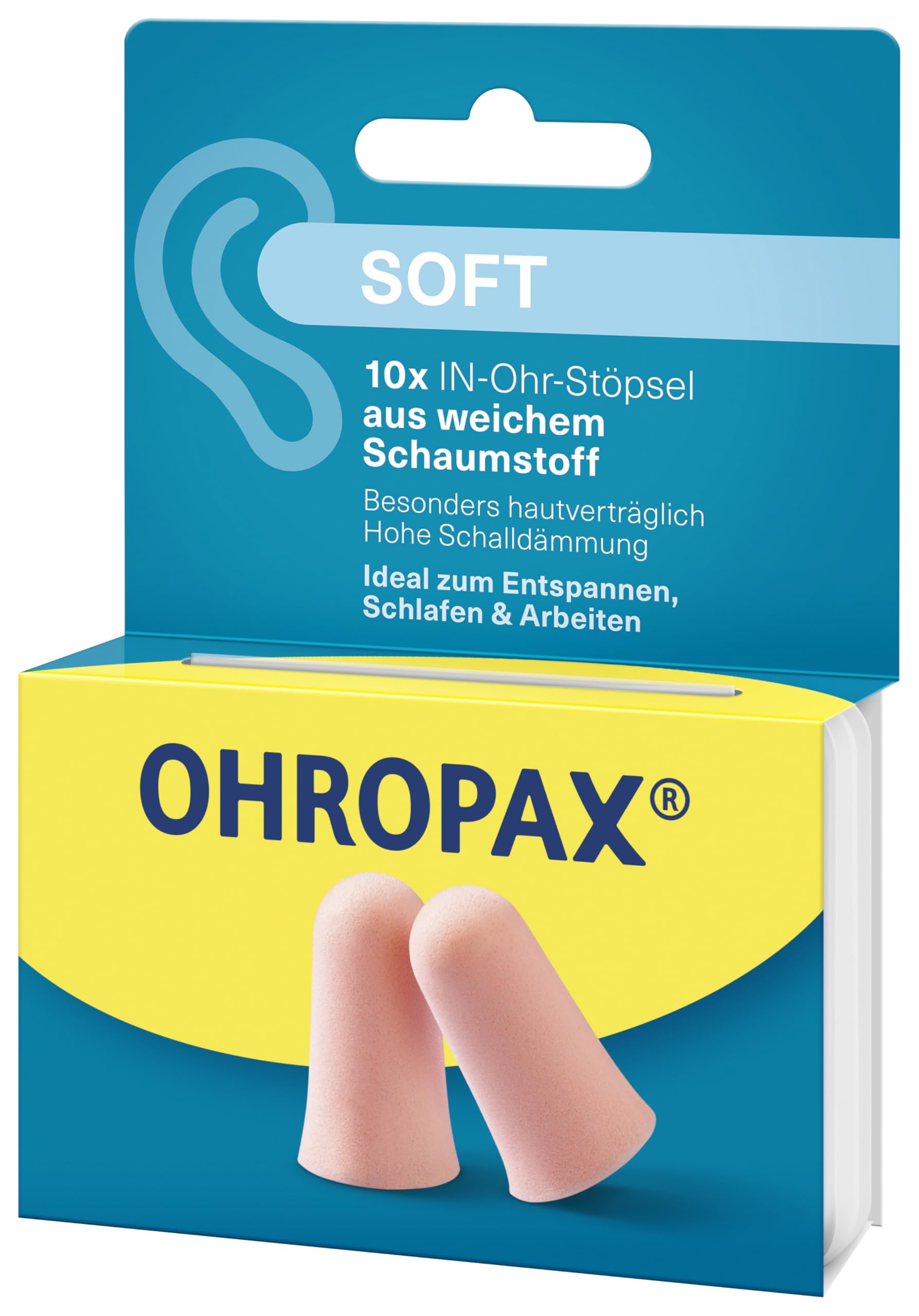
Ohropax Soft Foam
Key Features
- NRR: 30 dB
- Material & Form: Hypoallergenic foam
- Pack Size & Value: 10 pairs, Budget
- Fit & Size: Standard
- Side-Sleeper: Soft
- Price: Budget
Ohropax Soft Foam earplugs use a gentle hypoallergenic foam that blocks around 30 dB of noise, making them comfortable for all-night wear during trips. The 10-pair pack is less suited to nightly home use, where bulk options offer better economy, and availability can be sporadic outside specialty retailers.
Pros
- Soft, comfortable foam avoids ear canal pressure during extended sleep.
- Noise blocking rivals top foam earplugs for travel or sleep.
Cons
- In smaller ear canals, the shape may not stay put through the night.
A compact travel companion for occasional sleep noise blocking; the small pack size works against nightly use, making it a better fit when space and portability matter more than per-pair cost.
Best for Budget Silicone
AXBUS Silicone Earplugs

Key Features
- NRR: 32 dB (claimed)
- Material & Form: Silicone (flanged)
- Pack Size & Value: 16 pairs, Budget
- Fit & Size: Standard
- Side-Sleeper: Flanged, may be bulky
- Price: Budget
This 16-pair set includes both corded and cordless flanged silicone plugs in four colors at a budget price. They work for moderate noise like concerts or yard work, but the fit may be too large for smaller ears and noise reduction is weaker than foam. Better suited for occasional use than nightly sleep.
Pros
- 16 pairs with a mix of corded and non-corded plugs at a budget-friendly price.
- Flanged silicone design blocks enough noise for occasional use like concerts or yard work.
Cons
- Fit may be too bulky for small ear canals and noise isolation can fall short of foam earplugs.
If you need a budget-friendly stash of reusable earplugs for occasional use — concerts, yard work, swimming — and you have average-to-large ear canals, this 16-pair pack delivers value. For nightly sleep, look to a foam plug with higher, more consistent noise reduction.
Best for Natural Wax
Quies Wax Ear Plugs

Key Features
- Material & Form: Natural wax
- Pack Size & Value: 8 pairs, Mid-Range
- Fit & Size: Moldable
- Side-Sleeper: Flush
- Price: Mid-Range
The wax material feels natural and molds to ear contours without canal pressure, comfortable for side sleepers. However, the small 8-pair pack at a mid-range price and the required warming and shaping before insertion make it less practical for heavy nightly use. It fits occasional sleepers and minimalists who prioritize hypoallergenic materials over bulk value.
Pros
- Molds to ear contours without pressure, stays comfortable all night.
- Improves sleep quality without skin irritation, suitable for sensitive ears.
Cons
- May lose its seal or fall out if not properly warmed and shaped before insertion.
A niche pick for travelers and minimalists who want a completely natural, hypoallergenic earplug and can accept the smaller pack and molding technique — not a budget nightly solution.
Best for Mack’s Classic
Mack’s Original Foam

Key Features
- NRR: 33 dB
- Material & Form: Foam
- Pack Size & Value: 50 pairs, Mid-Range
- Fit & Size: Standard
- Side-Sleeper: Flush
- Price: Mid-Range
The classic teal Mack’s foam earplugs deliver 33 dB noise reduction and the low-pressure comfort that made the brand a sleep staple. The foam blocks snoring effectively and stays gentle through the night, even for side sleepers. It costs slightly more than the Ultra Soft sibling without offering a distinct advantage in noise blocking or fit — a choice for those who specifically want the original formula.
Pros
- Trusted noise blocking performance, especially for snoring partners
- Comfortable and gentle on ears, even for side sleeping
Cons
- Can lose retention and fall out for active sleepers if not inserted deeply
A solid pick for Mack’s loyalists who prefer the classic teal formula despite the slight price premium; those seeking identical noise reduction and better value will prefer the budget-friendly Ultra Soft pack.
Best for Tiny Ears
Mack’s Dreamgirl

Key Features
- NRR: 30 dB
- Material & Form: Foam
- Pack Size & Value: 50 pairs, Mid-Range
- Fit & Size: 20% smaller
- Side-Sleeper: Soft, may be loose
- Price: Mid-Range
The soft, low-pressure foam eases ear canal pain, but the reduced size can lead to a weaker seal. This muffles mild household sounds well yet leaves heavy snoring partially audible. It’s a niche pick for those whose ear anatomy rejects all standard-sized plugs.
Pros
- Soft, low-pressure foam minimizes ear canal irritation during side sleeping.
- Enables light sleepers to sleep through mild snoring and household sounds.
Cons
- The smaller size can compromise the seal, reducing noise blocking for louder snoring.
This is a specialized choice for those with truly petite ear canals who have tried standard foam without success; for better noise reduction in a small size, the Slim Fit plug is a more capable alternative.
How to Choose
The most important spec on a sleep earplug package isn’t the noise rating — it’s whether the plug will stay sealed all night in your ear shape.
Noise Reduction Rating (NRR)
A higher NRR means more sound is blocked in a laboratory test, but that number assumes a perfect, deep insertion that rarely holds through a full night of movement. A 28 dB plug that fits you snugly can easily outperform a 33 dB plug that leaks because it’s too large or too stiff to maintain a seal against a pillow.
Side sleepers, in particular, can break a high-NRR plug’s seal when their head presses the earplug against the mattress. Prioritize fit and all-night retention over the decibel number, and treat NRR as a secondary filter, not the primary decision point.
Material and Form Factor
Foam expands inside the ear canal for a consistent seal, but the constant outward pressure can become painful after hours, especially if you’re lying on your side. Silicone putty and wax plugs sit outside the canal and mold to the outer ear, eliminating that pressure but requiring practice to apply and sometimes snagging hair.
Reusable flanged silicone plugs are a middle ground — easy to insert and clean, but typically don’t seal as deeply as foam. Match the material to your tolerance for canal sensation and your willingness to handle a slightly more involved insertion routine.
Pack Size and Cost per Pair
Disposable foam earplugs bought in jars of 50 pairs offer the lowest nightly cost, ideal for daily use. Mid-range or premium packs with fewer pairs, or reusable models, cost more per night but reduce waste and may deliver a more dialed-in fit.
Consider hygiene as well: foam plugs lose resilience and accumulate earwax, typically needing replacement after a few nights. If you go the bulk route, factor in how often you’ll actually swap them, or you’ll undermine the noise blocking you paid for.
Fit and Size Considerations
Ear canal size varies dramatically, and a plug that’s too large compresses sensitive tissue, causing a dull ache by morning. One that’s too small can’t form an airtight seal and will slip out during the night. Brands now offer slim-fit or petite versions that are 10-20% smaller than standard plugs, specifically for adults who’ve found all other earplugs painful.
If you’ve sworn off earplugs because they hurt, a smaller size solves both the comfort and the noise-leakage problem at once. For larger canals, a standard cylindrical shape like the 3M Ear Classic often fills the space more effectively than tapered designs.
Side-Sleeper Compatibility
When you lie on your side, any part of the earplug that protrudes past the ear’s outer surface gets pressed into the ear canal by the pillow, converting gentle pressure into sharp discomfort. Foam plugs rolled thin and inserted deeply can sit flush, but only if you get the insertion depth right every night.
Moldable silicone or wax putty that covers the ear opening without entering the canal eliminates this pressure point altogether. Look for terms like ‘low-profile,’ ‘flush-fitting,’ or ‘sits outside the ear’ if side sleeping is your primary concern.
FAQ
Why do my foam earplugs fall out during the night even though they feel secure at first?
Foam plugs expand from body heat, but if they aren’t rolled thin enough and inserted deeply, jaw movement and head turning gradually work them loose. Even properly inserted plugs can lose seal if the foam is too soft or you’re a restless side sleeper. Switching to a tapered slim-fit design or a moldable putty that anchors outside the canal often solves retention.
Can silicone putty earplugs really block snoring as well as foam ones?
Silicone putty seals the outer ear opening, so it typically provides less attenuation than deep-insertion foam. For moderate snoring it’s effective and far more comfortable for many side sleepers, but for very loud, in-the-same-room snoring, a well-fitting high-NRR foam plug remains more powerful.
What’s the difference between NRR 33 and NRR 28 earplugs for sleep? Is it noticeable?
In a lab, 5 dB is a meaningful difference, but in real-world sleep use, fit and seal dominate. A tightly sealed 28 dB plug can outperform a loosely fitting 33 dB plug by a wide margin. For most people, the perceived quietness difference between those numbers fades behind whether the plug stays comfortable and in place all night.
Why do some earplugs hurt my ears after a few hours even though they are marketed for sleep?
Pain comes from constant outward pressure on the ear canal walls, especially when a side sleeper’s pillow pushes the plug further in. Standard-sized foam that’s too large or too stiff is the most common culprit. Switching to a plug designed for small or sensitive ears, or using a moldable putty that doesn’t enter the canal, removes that pressure source.