
This post contains affiliate links. We may earn a small commission when you buy through our links — at no extra cost to you.
Athletes often find that ‘cooling’ memory foam mattresses still trap heat, and some budget models hide fiberglass—a material that can contaminate your home if the cover is removed. But there’s no need to gamble.
The right mattress for active recovery combines genuine temperature regulation with targeted pressure relief, all without health risks. This guide filters through the claims to spotlight mattresses that actually stay cool through the night, support muscles, and meet rigorous safety certifications.


Best for All Sleep Positions
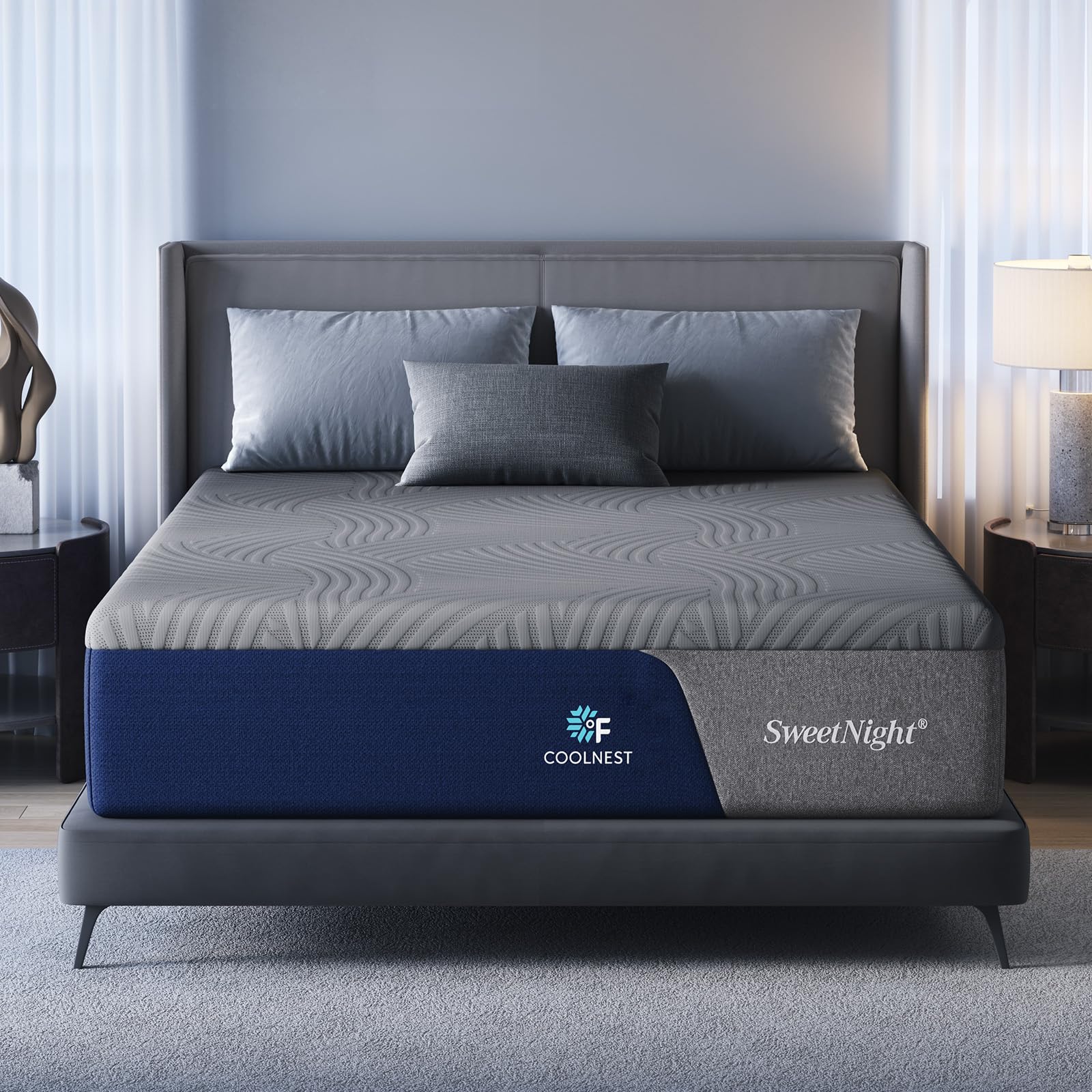
Sweetnight CoolNest 14" King
Key Features
- Actual Firmness Feel: Medium
- Cooling & Breathability: PCM+g gel memory foam
- Pressure Relief & Zoned Support: 5-zone ergonomic support
- Motion Isolation: Low motion transfer
- Durability & Sagging Resistance: 14-inch, 10-year warranty
- Price: Mid-Range
The CoolNest combines a phase-change material (PCM) foam layer with gel memory foam and a 3D-woven cover to actively pull heat away from the body. The result is a surface that stays noticeably cool throughout the night, not just at first touch. The 5-zone support system targets pressure points along the shoulders, lower back, and hips, helping muscles recover after training. Unlike gel-only mattresses that lose effectiveness as the night goes on, this system maintains a consistent temperature and reduces soreness by morning.
This balance suits athletes who rotate between side, back, and stomach sleeping, as the medium feel prevents pressure buildup without sacrificing spinal alignment. However, the medium firmness can feel too soft for those who prefer a rigid, rock-hard surface. Adding a firm platform or topper can nudge it toward more support, but out of the box it’s best for anyone whose recovery depends on cushioning rather than a hard sleep surface.
Pros
- PCM and gel layers maintain genuine cooling all night, not just initial coolness.
- 5-zone support reduces pressure points and aids muscle recovery across all sleep positions.
- Waking without soreness, with fast recovery from daily fatigue.
Cons
For active individuals who need cooling, pressure relief, and all-position support to bounce back after workouts, the Sweetnight CoolNest delivers where many gel-only options fall short. Just know that it leans medium rather than hard.
Best for Back Pain, Back Sleepers
MLILY EGOHOME 14" King
Key Features
- Actual Firmness Feel: Medium Firm
- Cooling & Breathability: Copper gel, graphene fabric
- Pressure Relief & Zoned Support: Adaptifoam, ICA endorsed
- Motion Isolation: Low motion transfer
- Durability & Sagging Resistance: 14-inch, 10-year warranty
- Price: Mid-Range
Unlike the top pick’s all-position PCM cooling, the MLILY EGOHOME uses copper-infused memory foam and a graphene fabric cover to pull heat away from the body, creating a notably cooler sleep surface for athletes who sleep warm. Its 14-inch four-layer construction includes a high-density base that provides consistent spinal alignment, earning endorsement from the International Chiropractors Association.
The medium-firm feel excels for back and stomach sleepers wanting a recovery-focused mattress made without fiberglass. Side sleepers and those requiring a trial period are better served by a softer, more flexible option. The USA-made construction and CertiPUR-US certification add peace of mind for safety-conscious buyers.
Pros
- Copper gel and graphene fabric deliver noticeable cooling for athletes who sleep hot.
- High-quality materials and excellent construction ensure durability and a premium feel.
- Good value for a copper-infused, chiropractor-endorsed mattress with fiberglass-free certification.
Cons
- Side sleepers may find the medium-firm surface too hard for comfort over time.
- No trial period is offered, requiring a commitment before trying the mattress.
If you’re a back or stomach sleeper seeking targeted lumbar support with active cooling, and you can commit without a trial, this mattress delivers professional-grade recovery at a fair price.
Best for Couples, Back/stomach
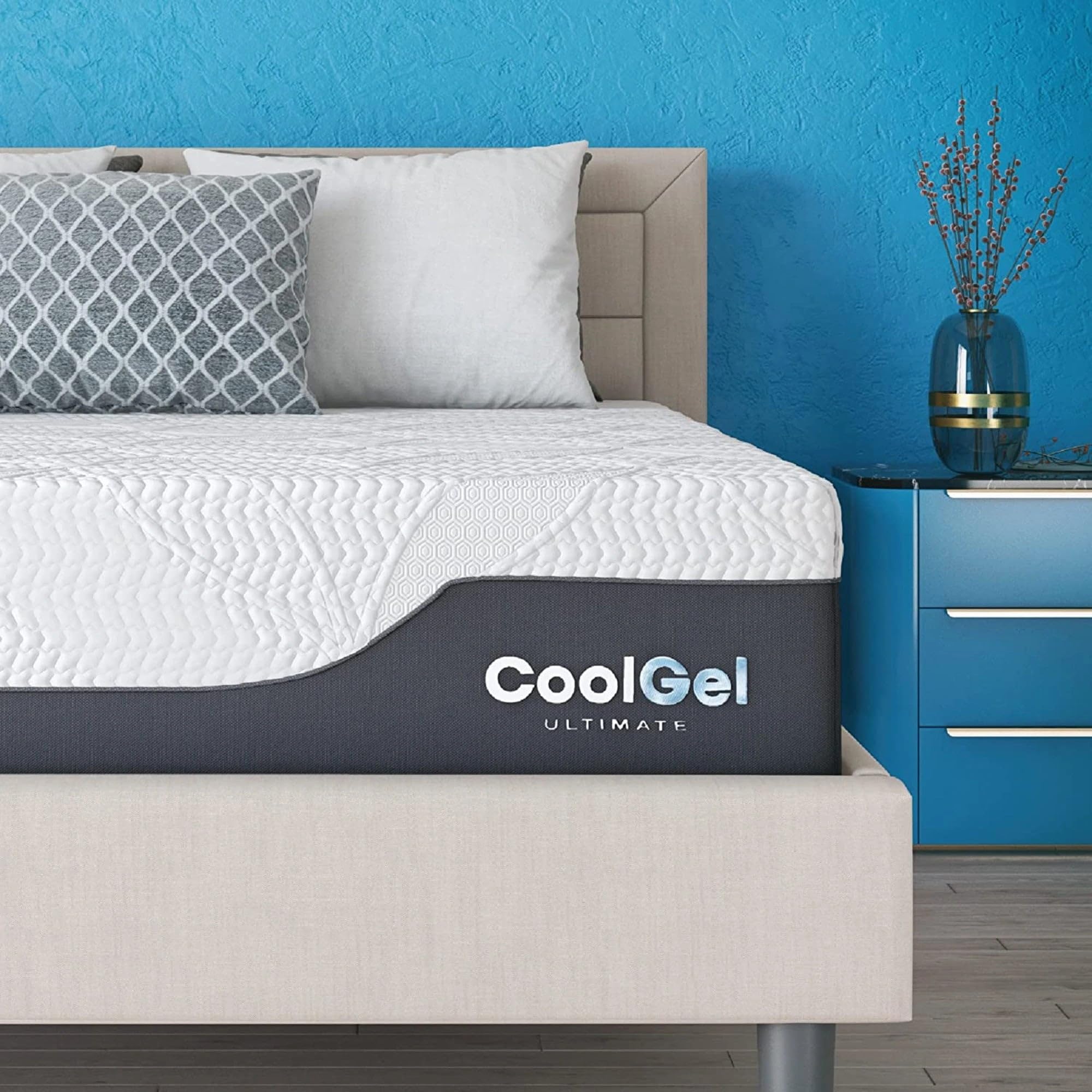
Cool Gel Chill 14" Queen
Key Features
- Actual Firmness Feel: Firm
- Cooling & Breathability: Gel-infused ventilated foam
- Pressure Relief & Zoned Support: 3-layer memory foam
- Motion Isolation: Excellent motion isolation
- Durability & Sagging Resistance: 14-inch, 10-year warranty
- Price: Mid-Range
The 14-inch gel memory foam build effectively dampens motion, so you won’t feel a partner shift during the night. Unlike the top pick’s phase-change cooling, this mattress uses ventilated gel foam that offers basic breathability but may not keep very warm athletes cool. Firm support aligns the spine well for back and stomach sleepers, making it a solid recovery option after training. Side sleepers and those who prefer a plush cradle may find the surface too rigid. Two included pillows complete the package, delivering better value than many store brands.
Pros
- Cloud-like surface that helps you wake up without morning stiffness.
- Straightforward setup and lasting construction that competes with pricier mattresses.
- Low motion transfer preserves sleep quality even when sharing the bed.
Cons
- Cooling performance may fall short for athletes who sleep warm, despite the gel infusion.
- Firmness can create pressure points for side sleepers, leaving hips and shoulders unsupported.
Back-sleeping athletes seeking a firm, bundled sleep solution will appreciate the motion isolation and support. Hot sleepers or side sleepers should look to the top pick’s adaptable cooling and pressure relief.
Best for Budget-Minded King
Zinus Green Tea Cooling 12" King
Key Features
- Actual Firmness Feel: Medium
- Cooling & Breathability: Cooling gel, green tea
- Pressure Relief & Zoned Support: 3-layer foam, no zoned
- Motion Isolation: Low motion transfer
- Durability & Sagging Resistance: 12-inch, 10-year warranty
- Price: Budget
Zinus infuses its budget memory foam with cooling gel, green tea, and charcoal, offering a king-size cooling mattress at a price that undercuts advanced phase-change models. Its eco-friendly box reduces waste, and the medium firmness provides balanced support for back and stomach sleepers. This positions it as the greener, more affordable alternative for athletes who do not require extreme heat dissipation.
Cooling performance trails dedicated PCM systems, so hot sleepers may still feel warmth. Firmness can lean too hard for side sleepers who need deeper contouring. It suits budget-conscious, eco-minded athletes whose body heat stays moderate and who sleep primarily on their back or stomach.
Pros
- Comfortable medium firmness keeps back and stomach sleepers aligned without feeling stiff.
- Build quality feels sturdy and decompresses quickly after unboxing.
- Outstanding value for a king-size mattress with cooling features.
Cons
- Cooling gel may not keep very warm sleepers cool throughout the night.
- Firmness level can be too hard for side sleepers or those expecting a softer memory foam feel.
For athletes who need a budget-friendly king-size cooling mattress with green credentials and a medium-firm feel, this Zinus is a sensible pick — provided you don’t sleep excessively hot and prefer back or stomach positions.
Best for Back Sleepers, Firm
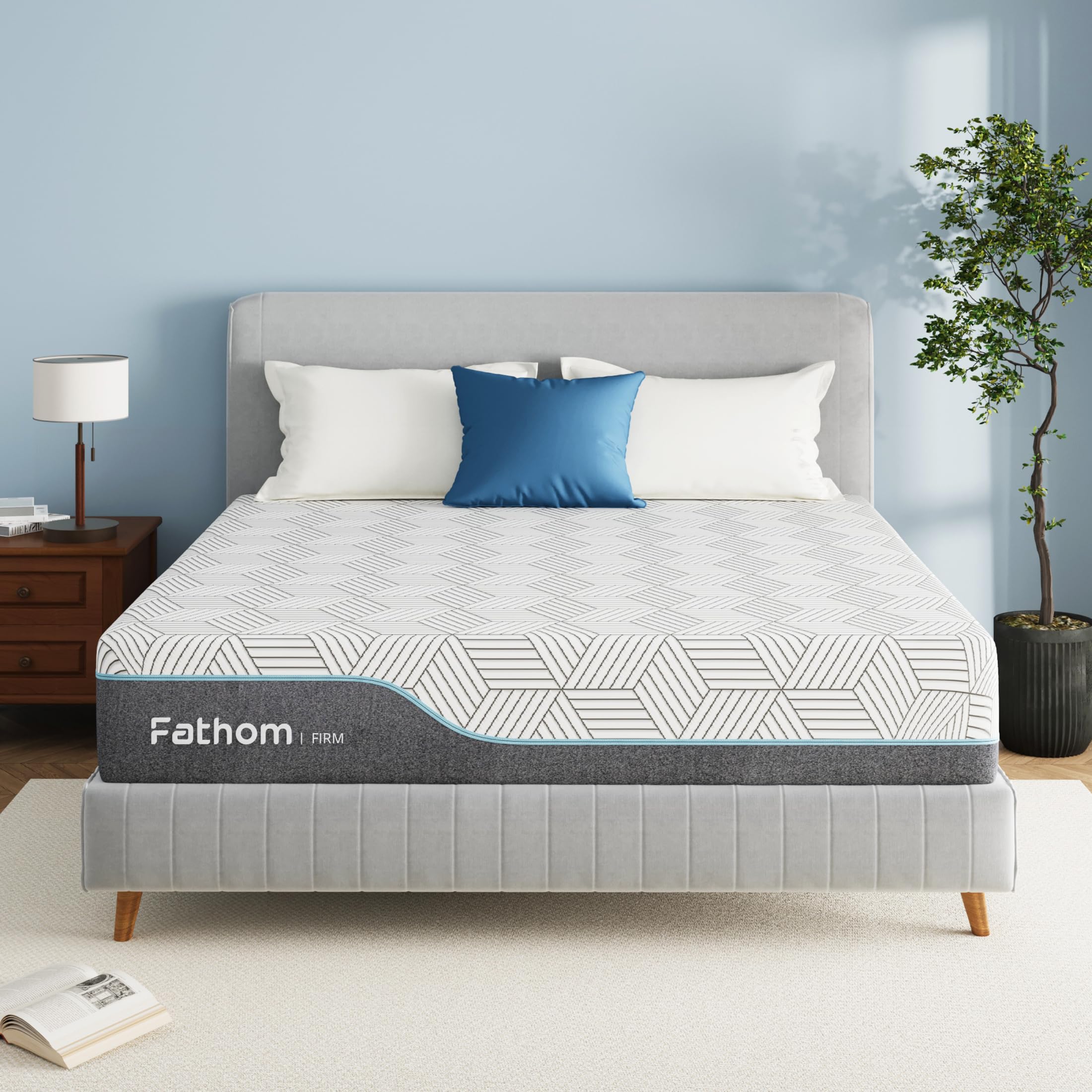
Fathom Firm 12" King
Key Features
- Actual Firmness Feel: Firm
- Cooling & Breathability: AeroFusion gel foam
- Pressure Relief & Zoned Support: Comfort foam layers
- Motion Isolation: Good motion isolation
- Durability & Sagging Resistance: 12-inch, fiberglass-free
- Price: Mid-Range
The AeroFusion gel top eases joints while keeping a rigid, non-sagging surface — a firm bed that doesn’t ignore pressure relief. Rather than using multi-zone cooling layers, it provides a traditional firm feel that stays flat and supportive across the entire sleep surface. An extra-firm budget alternative lacks that joint-cradling gel layer, making this a more comfortable option for those who need a rock-solid base with just enough give.
Back and stomach sleepers who depend on absolute spinal alignment during recovery will appreciate the unwavering surface. Side sleepers, however, will find the firmness too intense without adding a topper. This boundary is clear: if you need plush contouring, look elsewhere; if you want a hard, supportive ledge for your spine, the Fathom delivers with U.S.-made, fiberglass-free certification.
Pros
- AeroFusion gel top eases joints without excessive sink
- Excellent back and neck pain relief
- Fiberglass-free, USA-made with removable, washable cover
Cons
- Side sleepers may find the surface too hard without a mattress topper
Right for back and stomach sleepers who prioritize absolute spinal support and high safety standards — less suited to side sleepers who want a mattress that works in every position.
Best for Budget Recovery, Back
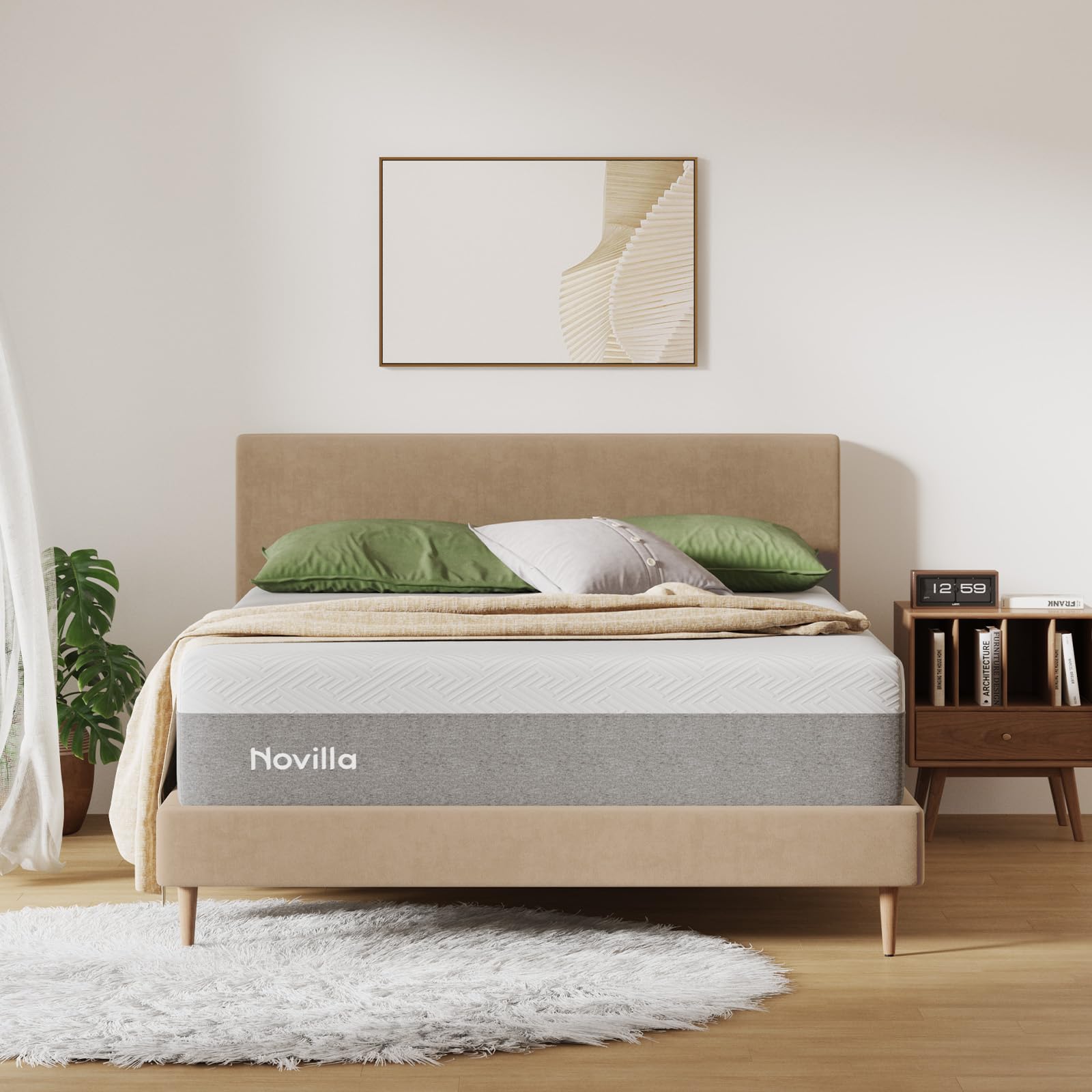
Novilla Bliss 12" Queen
Key Features
- Actual Firmness Feel: Medium Firm
- Cooling & Breathability: NanoGel memory foam
- Pressure Relief & Zoned Support: 4-layer, ACA endorsed
- Motion Isolation: Excellent motion isolation
- Durability & Sagging Resistance: 12-inch, 10-year warranty
- Price: Budget
The Novilla Bliss 12-inch mattress uses a 4-layer memory foam build with an ACA endorsement to provide medium-firm support at a budget price. Unlike the plush cooling option in this set, it emphasizes spinal alignment over sink-in softness.
This firmness makes it ideal for back and stomach sleepers and athletes who need pressure relief without spending a premium. Strict side sleepers may feel hip or shoulder stiffness, and the gel cooling is effective but won’t match phase-change systems. Couples benefit from strong motion isolation and edge support.
Pros
- Pressure relief that aligns the spine for back and stomach sleepers.
- Gel-infused foam and a breathable cover draw heat away while dampening partner movement.
- CertiPUR-US, OEKO-TEX, and ACA certifications confirm safety and construction quality.
Cons
- Firmness can cause discomfort for side sleepers who need deeper cushioning at the hips and shoulders.
Back and stomach sleepers seeking certified support and gel cooling without a premium will get a sensible recovery mattress — side sleepers and those needing active phase-change cooling should consider the top pick.
Best for Budget Basics
Zinus Green Tea 12" Foam
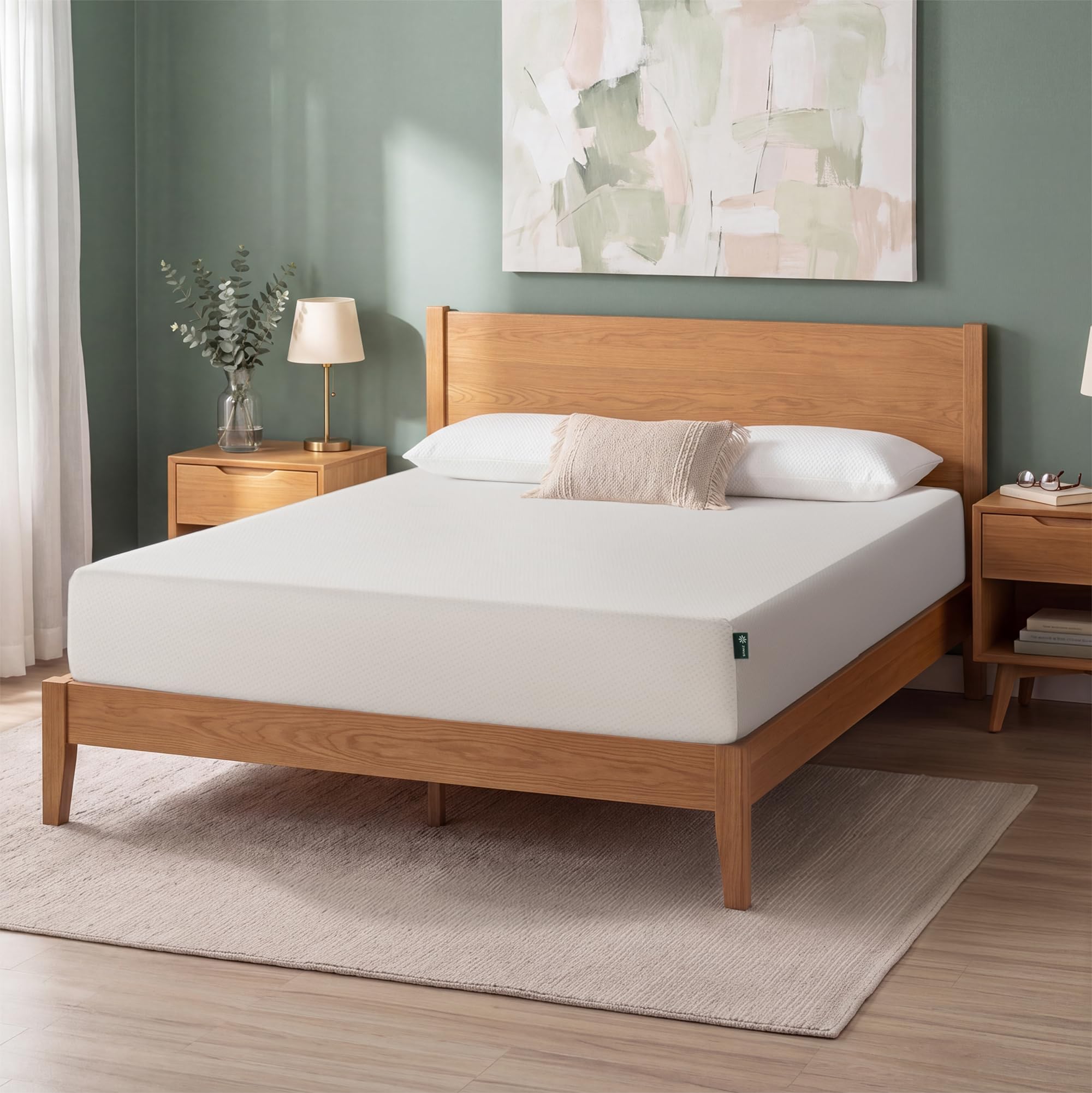
Key Features
- Actual Firmness Feel: Medium
- Pressure Relief & Zoned Support: Zoned pressure relief
- Motion Isolation: Low motion transfer
- Durability & Sagging Resistance: 12-inch, 10-year warranty
- Price: Budget
The Zinus Green Tea delivers dependable entry-level memory foam comfort and great value. It lacks active cooling, and uneven expansion or back pain variability are possible — some users develop new discomfort. This makes it a poor match for athletes requiring consistent recovery and temperature regulation.
Pros
- Pressure-relieving memory foam feel at an entry-level price.
- Certified safe, fiberglass-free, with green tea and charcoal infusions for freshness.
Cons
- Back pain relief can vary; some may develop new pains — a concern for athletic recovery.
Fits guest rooms, kids’ beds, and budget-minded buyers who want core memory foam comfort without needing cooling or athletic-grade support.
Best for Plush Cooling, Budget
Novilla Cooling 12" Queen

Key Features
- Actual Firmness Feel: Medium Plush
- Cooling & Breathability: NanoGel memory foam
- Pressure Relief & Zoned Support: 2-layer, plush contour
- Motion Isolation: Good motion isolation
- Durability & Sagging Resistance: 12-inch, 2 layers
- Price: Budget
A cloud-like medium-plush feel and genuine cooling punch well above this mattress’s budget-friendly price. The 12-inch memory foam cradles pressure points without trapping heat, making post-workout recovery feel indulgent. The two-layer construction, though, lacks the deep support heavy athletes need for long-term durability, and stomach sleepers may find the surface too soft for spinal alignment.
Pros
- Plush memory foam cradles back and side sleepers with deep pressure relief.
- NanoGel foam and breathable cover prevent heat buildup through the night.
Cons
- Softness can allow stomach sleepers’ hips to sink, straining the lower back.
For side and back sleepers under 230 lbs who want a cooling, plush mattress at an entry-level price, this Novilla delivers a recovery-friendly feel that belies its cost.
Best for Firm Budget King
EGOHOME 12" King Foam
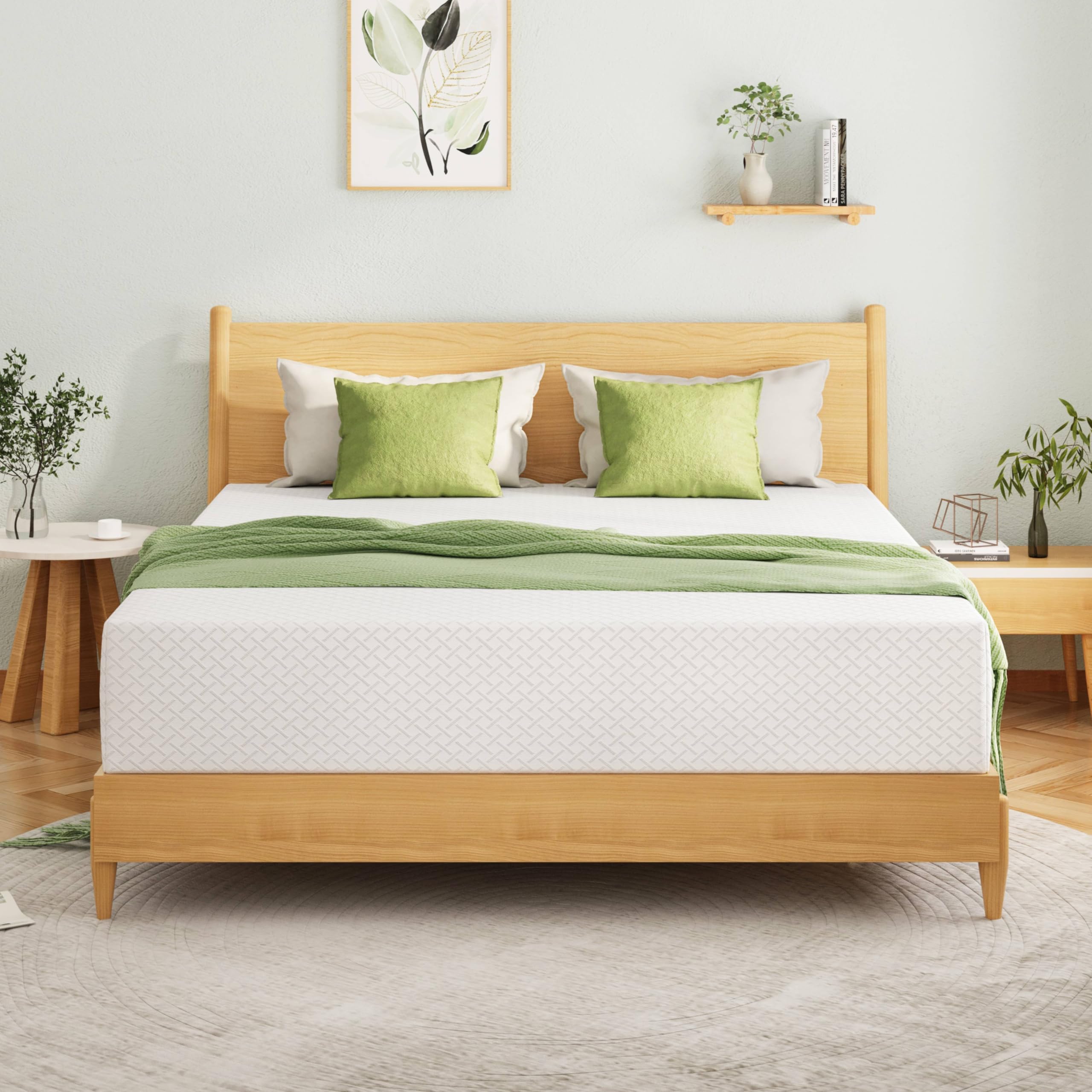
Key Features
- Actual Firmness Feel: Medium Firm
- Cooling & Breathability: Green tea gel foam
- Pressure Relief & Zoned Support: 4-layer, basic
- Motion Isolation: Good motion isolation
- Durability & Sagging Resistance: 12-inch, 10-year warranty
- Price: Budget
The EGOHOME 12-inch King provides a firm, supportive surface that back sleepers find comfortable, with minimal off-gassing and a budget-friendly price. That very firm feel can be too harsh for side sleepers, and it lacks the zoned recovery or advanced cooling athletes need for muscle relief. Plush seekers should consider a softer option.
Pros
- Firm support with solid back and joint alignment
- Excellent value for a king-size memory foam mattress
Cons
- Very firm feel may be too harsh for those expecting medium-soft pressure relief
Strict back sleepers needing a large, budget-friendly king mattress that stays firmly supportive will find this a cost-effective pick — just don’t expect plush recovery sink.
Best for Lightweight Sleepers
Casper Element Queen
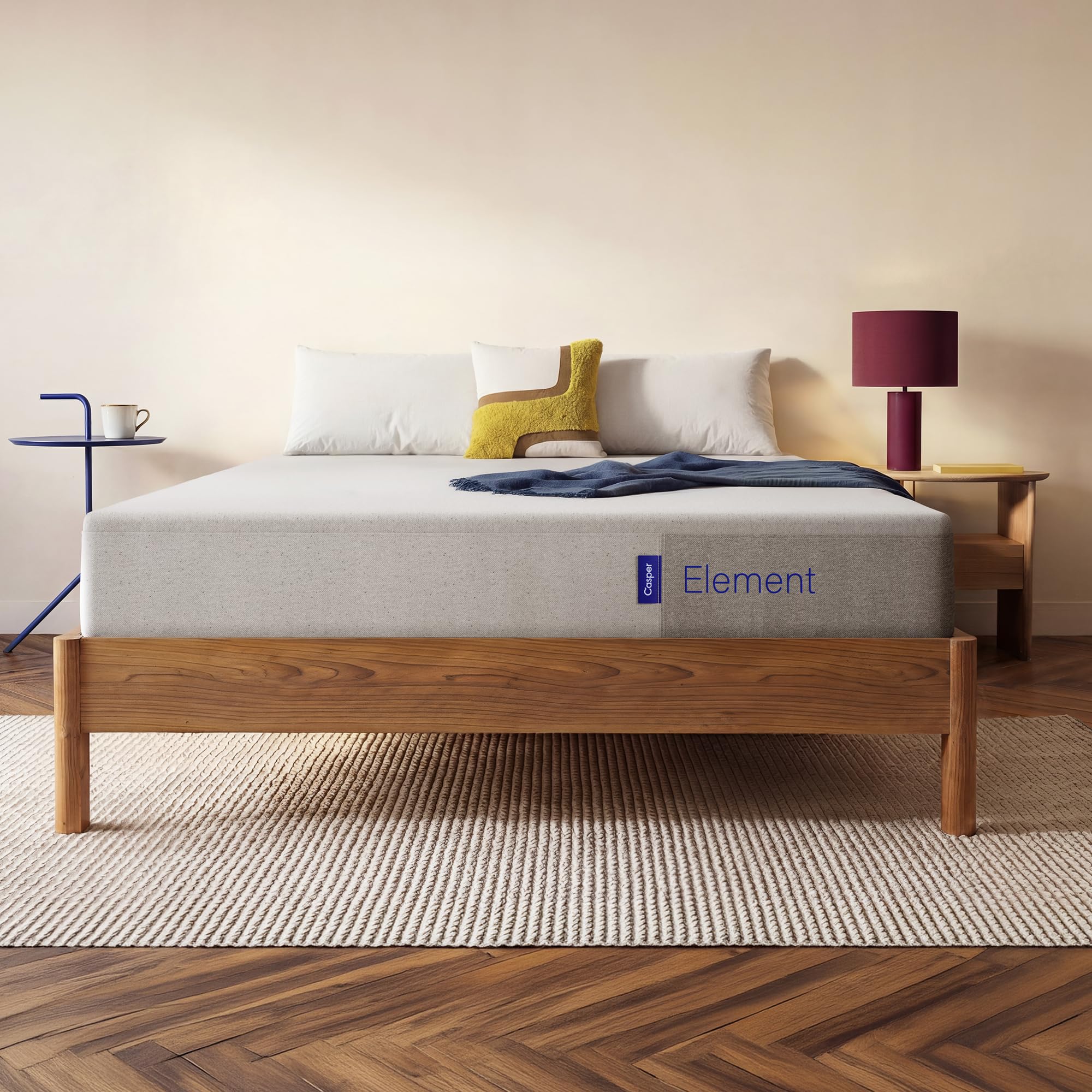
Key Features
- Actual Firmness Feel: Medium (soft)
- Cooling & Breathability: Open-cell Flex Foam
- Pressure Relief & Zoned Support: Memory foam layer
- Motion Isolation: Good motion isolation
- Durability & Sagging Resistance: 10-inch, 10-year warranty
- Price: Premium
The open-cell Flex Foam top layer breathes well and creates a cradle-soft surface that stays cool, a boon for lightweight side sleepers. The plush feel, however, lacks the targeted support and zoned reinforcement athletes need for muscle recovery, making it a mismatch for that use case. This positions the Element as a guest-room or occasional-use mattress where softness and a fiberglass-free build are the main draws.
Pros
- Breathable softness keeps the surface cool while cradling pressure points.
- CertiPUR-US foam and no fiberglass ensure clean indoor air quality.
Cons
- Plush surface may cause back discomfort for those needing firmer spinal alignment.
For lightweight side sleepers who want a cool, plush mattress and don’t rely on it for athletic recovery, the Casper Element offers a breathable, safe sleep with a 100-night trial.
Best for Trial Period Lovers
Nectar Classic 12" Queen
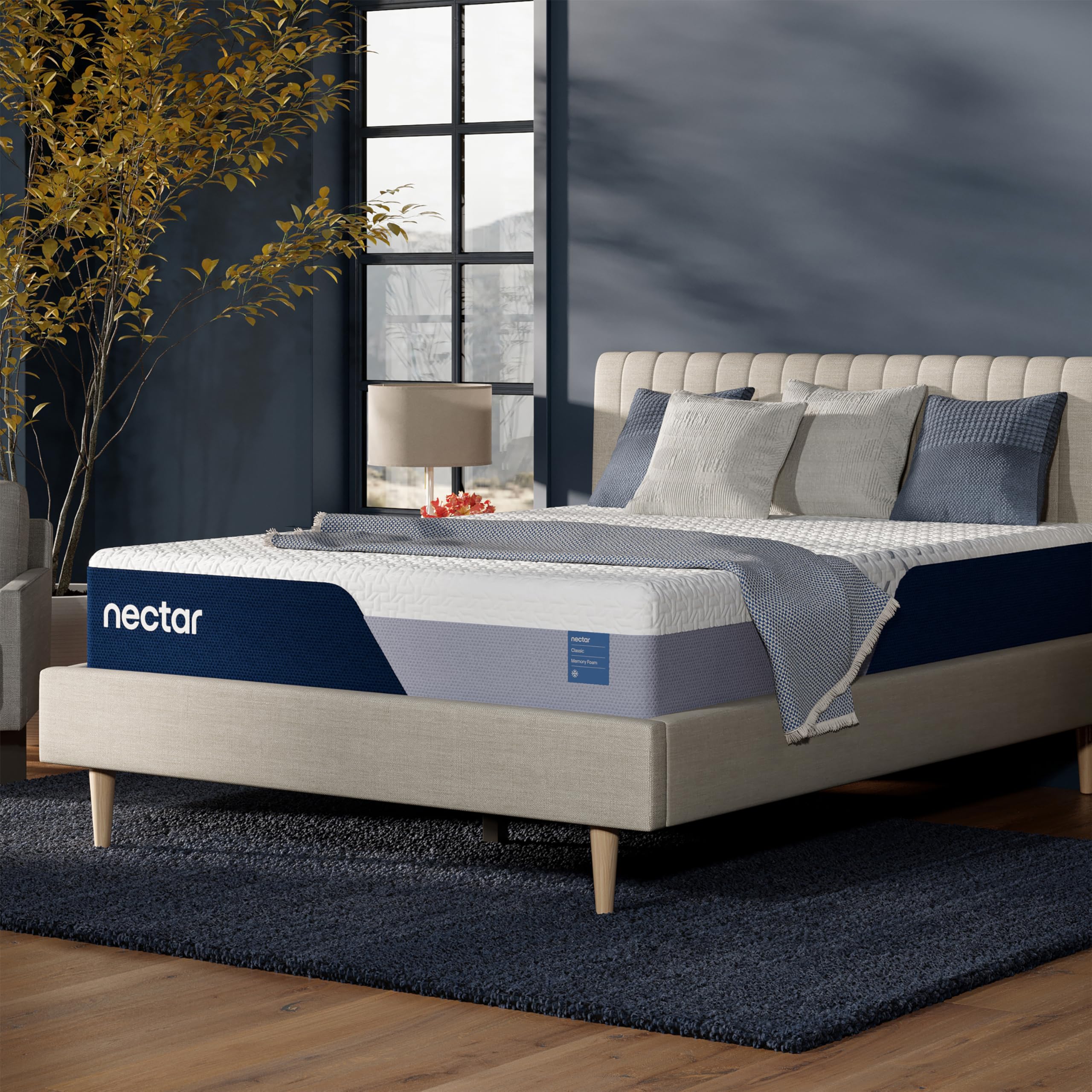
Key Features
- Actual Firmness Feel: Medium Firm
- Cooling & Breathability: Cooling fabric, gel foam
- Pressure Relief & Zoned Support: 5-layer, adaptive
- Motion Isolation: Excellent motion isolation
- Durability & Sagging Resistance: 12-inch, forever warranty
- Price: Premium
The 365-night trial and forever warranty make the Nectar Classic an easy way to try memory foam comfort. Couples benefit from strong motion isolation. But for athletes needing lasting support, sagging can appear after 12–18 months, making it a short-term solution rather than a recovery tool.
Pros
- Comfortable with strong motion isolation for couples.
- Long trial and warranty provide reassurance for risk-averse buyers.
Cons
- Cooling effectiveness varies; some sleepers may find it too warm.
As a short-term comfort test with low risk, it suits couples who prioritize motion isolation over athletic-grade durability.
Best for Guest Rooms, Kids
Kin 8" Firm Queen

Key Features
- Actual Firmness Feel: Firm
- Cooling & Breathability: Open-cell adaptive foam
- Pressure Relief & Zoned Support: Limited contouring
- Motion Isolation: Good motion isolation
- Durability & Sagging Resistance: 8-inch, high-density base
- Price: Mid-Range
The Kin 8-inch delivers a comfortable firm feel with just enough give and stays cool, making it a solid choice for guest rooms or children’s rooms. The thin profile lacks the plush recovery layers athletes need, and back sleepers may develop hip and back pain over time, limiting it to occasional use.
Pros
- Comfortable firm feel with just the right amount of give for guest and child use
- Good value and easy setup, with a cool sleep surface
Cons
- Hip and back pain can develop over time for back sleepers, limiting daily adult use
A no-fuss, firm choice for a child’s room or guest bed where occasional use and eco-certifications matter more than recovery performance.
Best for Dorm, Budget Hybrid
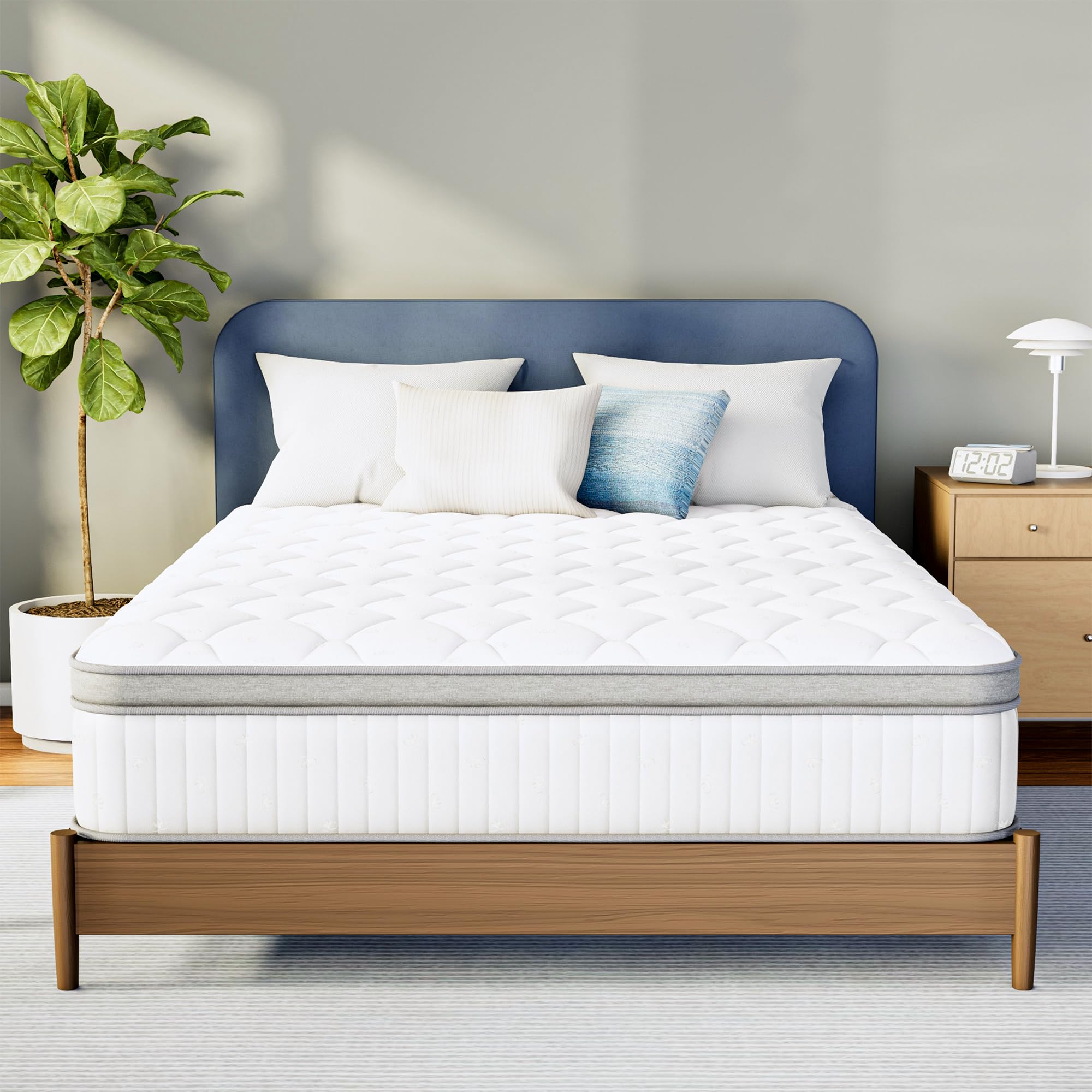
Neo Sleep Hybrid 12" Queen
Key Features
- Actual Firmness Feel: Medium
- Cooling & Breathability: Cooling foam, springs
- Pressure Relief & Zoned Support: Memory foam, coils
- Motion Isolation: Low motion transfer
- Durability & Sagging Resistance: 12-inch, hybrid
- Price: Budget
Hybrid pocket springs and cooling gel foam deliver a responsive, motion-isolating feel at a budget-friendly price. Inconsistent firmness across units relegates it to guest rooms and dorm setups, not the precise recovery support athletes need. Easy setup and minimal motion transfer make it a practical temporary solution.
Pros
- Hybrid construction blends memory foam pressure relief with pocketed spring bounce for a supportive, comfortable surface.
- Genuine hybrid feel and cooling gel at a price that undercuts most innerspring competitors.
Cons
- Off-gassing odor may be noticeable upon unboxing and can linger a few days.
A budget hybrid for guest rooms and dorms, where bounce and cooling matter more than precise, consistent support.
How to Choose
For athletic recovery, cooling and targeted pressure relief are non-negotiable—gel infusions alone rarely solve night sweats or muscle tension.
Actual Firmness Feel vs. Manufacturer Description
Manufacturer firmness labels often don’t match real-world feel because foam density and layer construction vary widely. A ‘medium firm’ mattress can register as a rock to a 130-pound side sleeper but a plush cloud to a 230-pound back sleeper. This mismatch directly impacts spinal alignment and pressure points that matter for muscle recovery.
Side sleepers need deeper contouring at the hip and shoulder to avoid numbness; a mattress that’s too firm in practice forces those joints to bear weight. Back and stomach sleepers, on the other hand, require enough surface resistance to keep the spine neutral. Look for user feedback grouped by sleep position to gauge true firmness beyond the product label.
Cooling and Breathability Effectiveness
Gel infusions and copper particles can help wick initial heat, but they don’t actively strip warmth from the body like phase-change material (PCM) or open-cell airflow designs. Many athletes who generate high body heat find that gel-only mattresses still warm up significantly after the first hour. True cooling requires a system: a breathable cover, ventilated foam, and a PCM layer that absorbs and releases heat during sleep cycles.
Mattresses that rely solely on a ‘cooling’ fabric cover or a thin gel layer often fail heavy sweaters. Check for multiple cooling elements working together—and be skeptical of claims without supporting temperature-regulation reviews from fellow athletes.
Pressure Relief and Zoned Support for Muscle Recovery
Targeted support zones—usually 5 or 7—place firmer foam under the lumbar and softer foam under the shoulders and hips. This prevents the middle of the mattress from sagging while still allowing muscles to relax fully. Without zoning, a uniform foam slab can cause the pelvis to sink too deeply, straining the lower back and reducing blood flow to recovering muscles.
Athletes who do heavy lifting or high-impact training particularly benefit from a pronounced lumbar zone that keeps the spine aligned even when lying on their back. Look for third-party endorsements like ACA recognition, which confirm the zoned design meets biomechanical standards for pressure relief.
Motion Isolation
Memory foam’s natural dampening prevents movement from one side of the bed from waking the other—critical if a training partner’s schedule differs. Thicker comfort layers and high-density support cores absorb shockwaves, while pocket coils in hybrids can give a slight bounce that may still transfer motion. Couples where one person tosses or rises early should prioritize all-foam constructions or hybrid models with individually wrapped coils and reinforced edge support.
Durability and Sagging Resistance
Frequent use by heavier athletes or daily recovery demands a high-density base foam (often 1.8 lbs/ft³ or greater) to resist permanent body impressions. Mattresses below 12 inches often lack the structural depth to maintain support for more than a couple of years, leading to a hammock effect that undoes any initial pressure relief. A 10-year warranty is a basic indicator, but the true test is whether the company uses durable, certified materials and has a track record of minimal sagging reports from users above 200 pounds.
FAQ
Do gel memory foam mattresses actually keep you cool enough for athletes?
Gel alone typically reduces surface heat by a few degrees but doesn’t maintain a cool feel throughout the night for most athletes. More effective systems combine phase-change material, ventilated foam, and breathable covers to actively manage heat. For true cooling, look for PCM layers or copper-graphene fabrics rather than relying on a gel-only setup.
Why do memory foam mattresses smell and how long does off-gassing last?
The odor comes from volatile organic compounds (VOCs) released when the compressed foam expands, and it usually dissipates within 24–72 hours in a well-ventilated room. Products with CertiPUR-US certification use low-VOC foam, so off-gassing is milder. If a chemical smell persists beyond a week, the mattress may lack proper certifications or contain lower-quality materials.
How can I tell if a mattress is too soft for muscle recovery?
Waking up with a stiff lower back or feeling that your hips sink more than 2–3 inches into the mattress are key signs. A recovery-focused mattress should support your spine in a neutral line—side sleepers need enough give to relieve shoulder pressure, but back and stomach sleepers require a firmer surface that prevents pelvic tilt. If you feel like you’re hammocking, the mattress is too soft for recovery.
Is a firm mattress better for back pain after workouts?
Not universally. A medium-firm surface tends to yield the best outcomes for back pain because it balances support with pressure relief; an overly firm mattress can create pressure points on the pelvis and shoulders, tensing muscles instead of relaxing them. Athletes with specific lumbar issues often benefit from zoned firmness that is harder under the back and softer under the shoulders.
Should I worry about fiberglass in memory foam mattresses?
Yes—several budget brands use fiberglass as a cheap fire barrier that can leak through the cover and contaminate homes if the cover is removed or damaged. Always choose mattresses labeled ‘fiberglass-free’ and backed by certifications like CertiPUR-US and OEKO-TEX. The health risk is serious enough that any model without such claims should be avoided, period.