
This post contains affiliate links. We may earn a small commission when you buy through our links — at no extra cost to you.
If you switch between your back, side, and stomach through the night, you know that one firmness label doesn’t fit all. A mattress that feels plush and pressure-relieving on your shoulder may suddenly let your hips sink when you roll to your stomach, throwing your spine out of alignment. The challenge isn’t finding a comfortable mattress — it’s finding one that stays comfortable no matter which way you turn.
Behind the marketing claims, many ‘cooling gel’ foam mattresses still trap heat, and firmness terms shift wildly between brands. The mattresses that actually work for combination sleepers share a few honest traits: pocketed coils for easy movement, breathable covers that don’t just pay lip service to cooling, and edge support that doesn’t crumble when you sit down to lace your shoes. That’s the filter we used, not the manufacturer’s label.

Best for Balanced Combo Support
Flexpedic 12" Hybrid Zone
Key Features
- Firmness: Medium Firm
- Cooling: Gel memory foam
- Construction: Hybrid (gel foam + coils)
- Price: Budget
The 7-zone pocketed coil layout and reinforced perimeter edge provide a stable surface that prevents sinkage when switching positions. The coils promote airflow to keep the sleep surface cool, and the CertiPUR-US foam layers release no chemical odor — a genuine rarity at this budget. Targeted support zones ease back and shoulder strain without sacrificing responsiveness, making each position change feel seamless.
This medium-firm hybrid fits back, stomach, and combo sleepers who prioritize spinal alignment and easy movement. Its firmness is a deliberate trade-off: side sleepers who crave a plush, enveloping feel may find it lacks deep pressure relief. For everyone else, the edge-to-edge stability and heat dissipation represent a clear step up from typical budget mattresses.
Pros
- 7-zone design provides targeted support that eases back and shoulder strain.
- Comfortable out-of-box with no chemical off-gassing smell.
- Outstanding value with hybrid engineering at a budget price.
Cons
- Dedicated side sleepers may find the medium-firm feel too rigid for pressure relief.
For combination sleepers wanting cool, stable support and zero off-gassing, the Flexpedic 12" Hybrid Zone delivers front-to-back comfort at a budget price. Dedicated side sleepers should consider a plusher model.
Best for Couples, Hot Sleepers
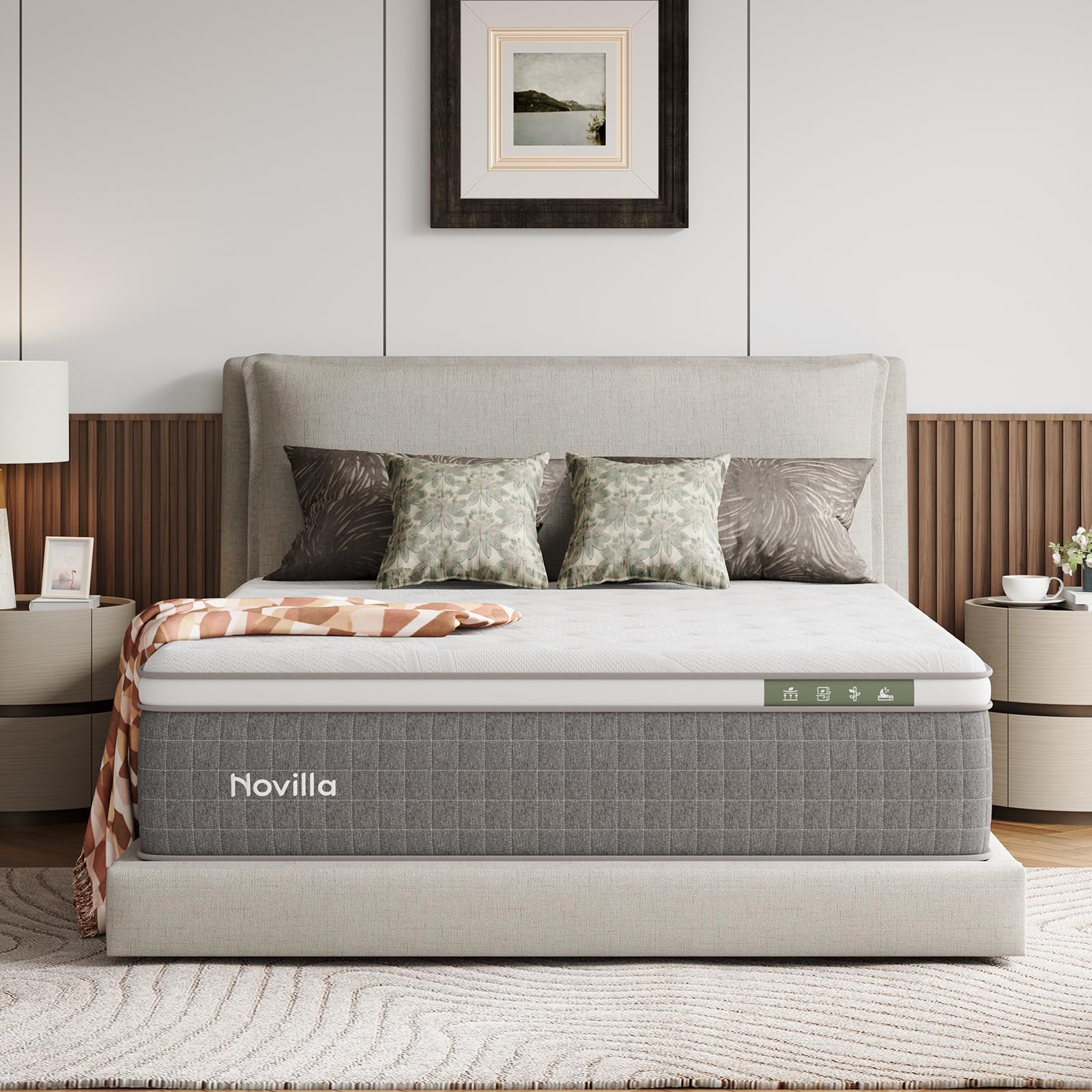
Novilla 14" Hybrid
Key Features
- Firmness: Medium Plush
- Cooling: Cool-touch cover, gel foam
- Construction: Hybrid (coils + foam)
- Price: Mid-Range
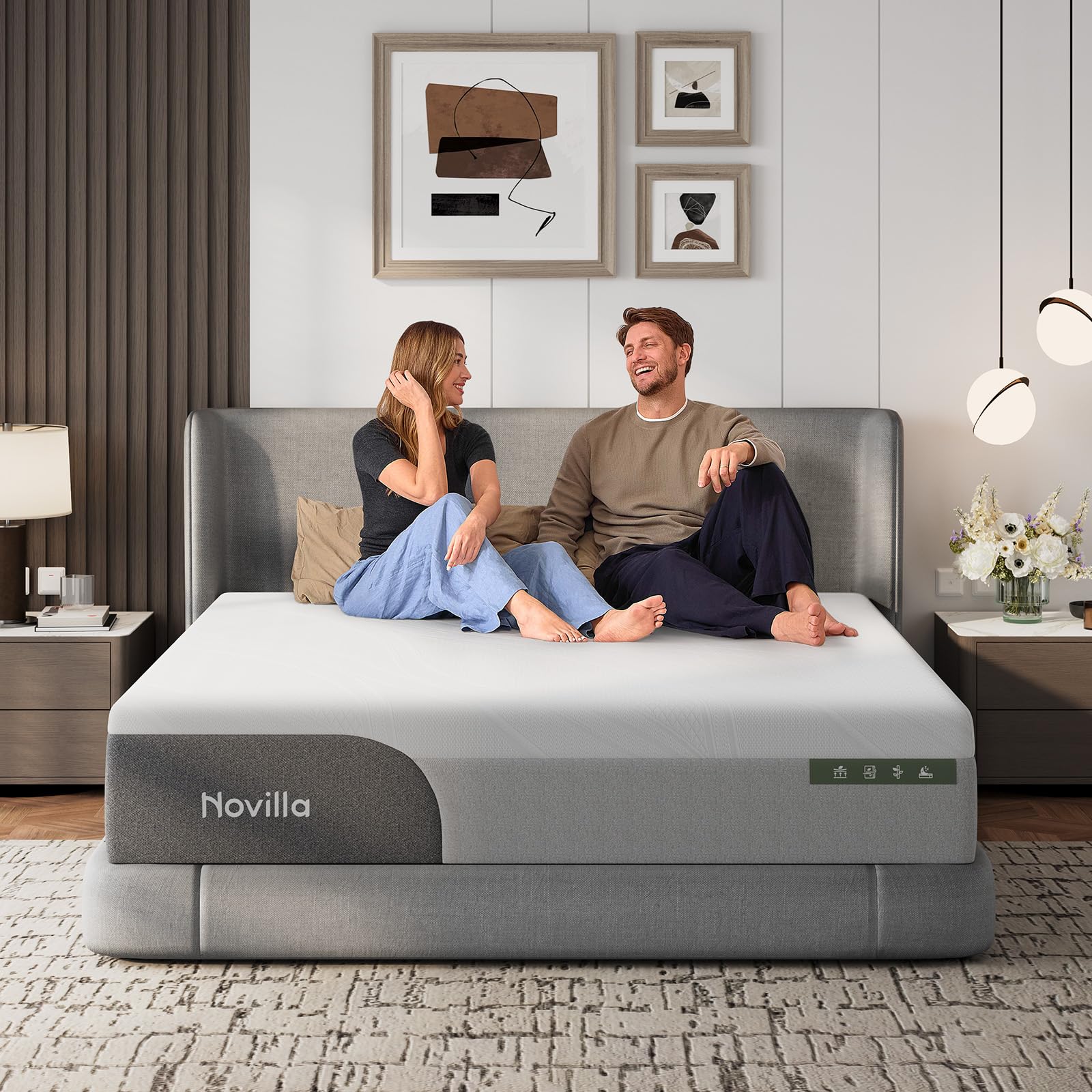
The Novilla 14-inch hybrid delivers the plush, contouring comfort that combination sleepers need when switching positions, without the quicksand feel that traps some all-foam mattresses. Pocket coils provide responsive support and reinforced edges make rolling toward the sides easy. A cool-touch nylon cover and gel foam help dissipate heat. Side and back sleepers, plus couples who value motion isolation, get a well-rounded upgrade. Stomach sleepers who require an extra-firm surface may find the medium-plush feel too soft.
Pros
- Soft yet supportive feel accommodates side, back, and combination sleeping without pressure points.
- Pocket coils absorb motion well, so a restless partner rarely disrupts sleep.
- 14-inch hybrid design with cooling cover at a price that undercuts many competitors.
Cons
- Stomach sleepers who need an extra-firm surface may find the medium-plush feel too soft.
For side and back combination sleepers who want a plush yet supportive feel with strong motion isolation, this Novilla delivers impressive value. Stomach sleepers needing an extra-firm surface will want a firmer alternative.
Best for Side Sleeper Cooling
Novilla 14" Bliss Cooling
Key Features
- Firmness: Medium
- Cooling: 2X cooling, cool-touch cover
- Construction: Memory Foam
- Price: Mid-Range
Unlike the top pick’s buoyant hybrid feel, this all-foam mattress sinks in with plush pressure relief, and its cooling tech actually stays temperature-neutral. The soft contouring minimizes motion transfer, but edge support is weaker, and shifting positions takes more effort than on a coil bed. That makes it ideal for side sleepers and back sleepers who prefer a cloud-like embrace and don’t need to move around or sit on the edge often.
Pros
- Deep, body-cradling plushness that relieves pressure points without feeling stuck.
- Effective cooling that keeps the surface temperature-neutral all night.
- Mid-range price for a 14-inch profile and premium-feel cover.
Cons
If soft, cooling contour matters more than easy repositioning, this memory foam mattress delivers a luxurious sleep at a fair price.
Best for Back Pain Relief
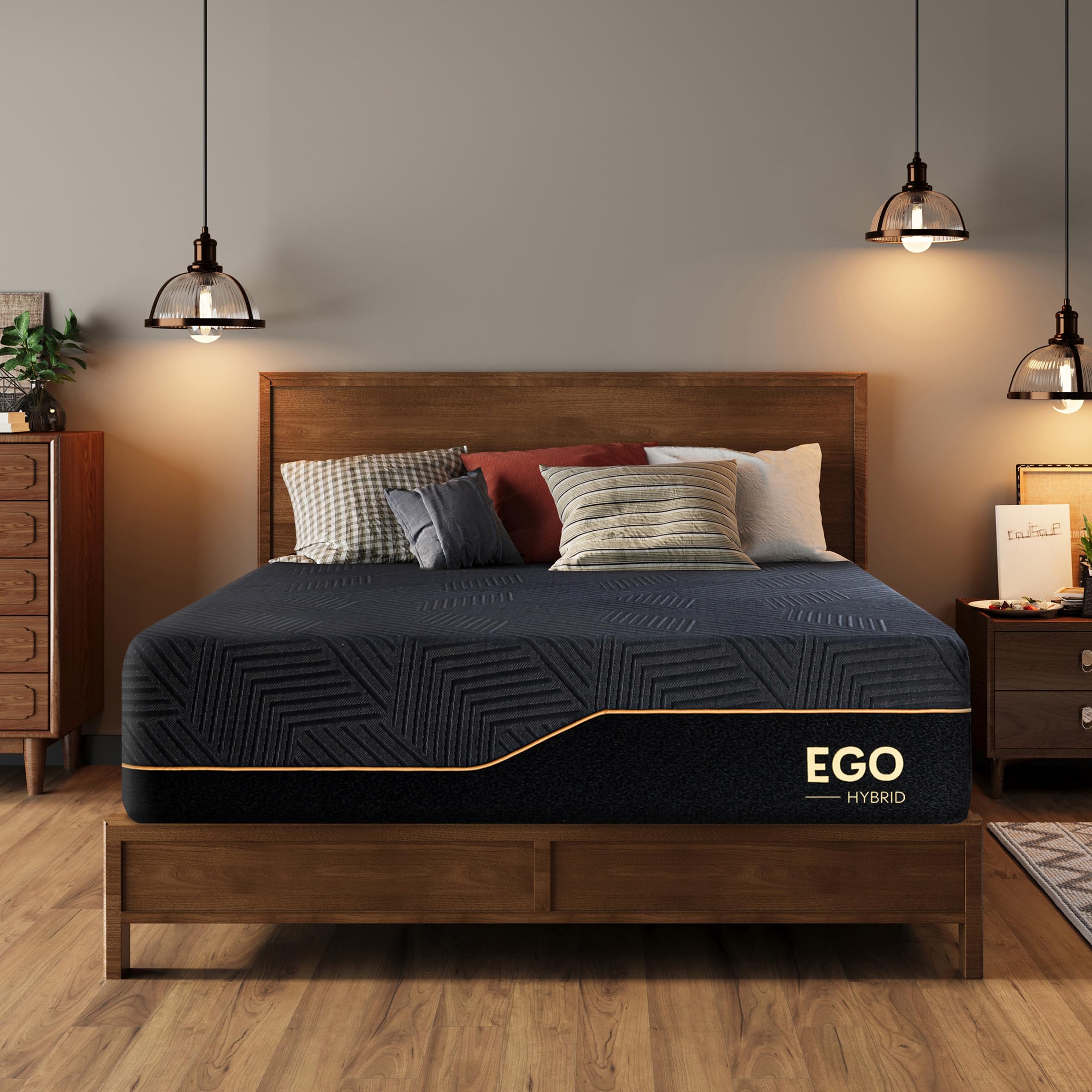
MLILY Ego Black 14" Hybrid
Key Features
- Firmness: Medium Plush
- Cooling: Graphene cover
- Construction: Hybrid (coils + foam)
- Price: Premium
ICA endorsement and graphene-infused cooling set this mattress apart for back and side pain relief, using gel memory foam and pocket coils to balance contouring with responsive support. However, its medium-plush label translates to a firmer feel than suggested, and combination sleepers who roll frequently may notice less give when transitioning from stomach to back. This mattress works best for combination sleepers who prioritize support over plushness, particularly those with back pain who don’t mind a firmer surface. Strict soft-plush lovers and budget-conscious shoppers will want softer or more affordable alternatives.
Pros
- Exceptional pressure relief for back and side sleepers
- Strong back support with targeted pain relief
- Cooling cover that effectively dissipates heat
Cons
- Firmness can feel firmer than the medium-plush label suggests, possibly too hard for those seeking softness
For combination sleepers who value back support and cooling over plush cushion, this ICA-endorsed hybrid is a strong choice; those craving softness will find it too firm.
Best for Budget Combo Sleep
Ashley Chime 12" Memory Foam
Exceptional value and consistent pressure relief make the Ashley Chime a smart pick for secondary spaces. The all-foam construction absorbs motion well, so couples won’t disturb each other, and the medium-firm surface supports back and stomach positions without hugging too deeply. Edge support is minimal — sitting on the side to tie your shoes causes noticeable sinkage — but this matters less in a guest room than in a daily-used primary bed. Side sleepers who need plush contouring will find it too firm; the top pick provides softer relief with more edge stability. For budget-minded combination sleepers outfitting a spare room, this mattress covers the essentials.
Pros
- Exceptional value for a memory foam mattress with reliable comfort.
- Outstanding motion isolation, making it couple-friendly.
- Medium-firm feel suits back and stomach combination sleepers well.
Cons
- When used as a seat, the edge sinks noticeably, reducing stability.
For a secondary bed where motion isolation and pressure relief matter more than edge support, the Ashley Chime delivers the essentials without breaking the bank.
Best for Budget Plush Side
Novilla 12" Gel Foam

Key Features
- Firmness: Medium Plush
- Cooling: NanoGel memory foam
- Construction: Memory Foam
- Price: Budget
The Novilla 12" Gel Foam delivers plush pressure relief and cooling at a budget price, ideal for dedicated side sleepers or guest rooms. Combination sleepers who rotate onto their stomachs will find the medium-plush feel too soft for proper support, and occasional thickness shortfalls mean verifying full expansion before committing to this as a primary mattress.
Pros
- Exceptional comfort at a low price
- Great value for a plush cooling mattress
Cons
- Occasionally fails to reach full 12-inch thickness after unboxing
A top choice for guest rooms or budget-focused side sleepers who prioritize plush comfort and don’t need consistent 12-inch height. Combination sleepers who occasionally sleep on their back or side will be fine, but dedicated stomach sleepers should look for firmer support.
Best for Firm Budget Hybrid
Zinus 10" Cooling Hybrid

Key Features
- Firmness: Medium
- Cooling: Gel-infused top layer
- Construction: Hybrid (coils + foam)
- Price: Budget
This budget hybrid delivers coil-based support and modest cooling at a low price, but its true-firm feel lacks the give needed for side sleeping — ruling it out for combination sleepers who need pressure relief in every position. Expansion inconsistencies at the corners may leave the surface uneven. It suits back/stomach sleepers and guest rooms where a firm, value-driven hybrid fits the bill.
Pros
- Strong value for a hybrid with cooling gel
- Decent initial comfort for back and stomach sleepers
Cons
- True-firm feel is too hard for side sleeping, causing pressure points
Back and stomach sleepers who want a supportive hybrid without spending much will find the Zinus a solid fit, but combination sleepers who expect side comfort should look to the top pick for balanced zoning.
Best for Budget Firm Foam
Zinus Green Tea 12" Cooling

Key Features
- Firmness: Medium
- Cooling: Gel-infused
- Construction: Memory Foam
- Price: Budget
This Zinus mattress brings a CertiPUR-US certified foam build and an OEKO-TEX cover at a budget-friendly price, with a green tea scent that helps neutralize initial odors. The gel-infused foam doesn’t guarantee cool sleep, and the firmness feels closer to firm than medium — side sleepers may feel pressure buildup. It suits back and stomach sleepers who stay put and value freshness over cooling.
Pros
- Excellent value for money — low price for a 12-inch foam mattress
- Good sleep quality for back and stomach sleepers who like a firm feel
Cons
- Firmness may be too hard for side sleeping, causing pressure buildup at hips and shoulders
For back/stomach sleepers seeking a budget-friendly foam bed with a fresh scent, this Zinus is a practical pick — just keep expectations low on cooling and side-sleep relief.
Best for Ultra-Budget Light
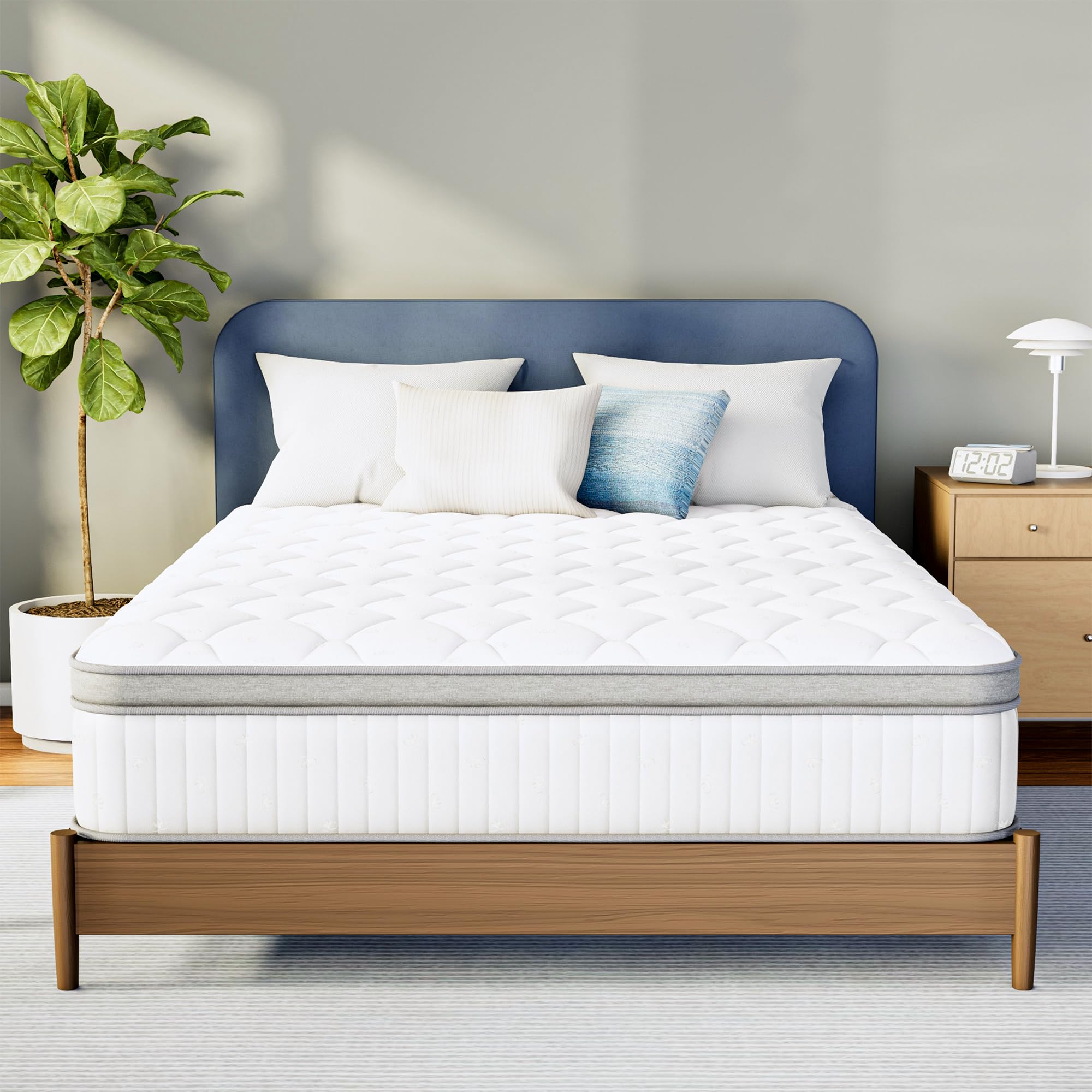
Neo Sleep 12" Hybrid
Key Features
- Firmness: Medium
- Cooling: Cooling airflow foam
- Construction: Hybrid (coils + foam)
- Price: Budget
The Neo Sleep 12" Hybrid trades heavy steel for coil-based bounce at a price that keeps cash in your pocket, letting lightweight combination sleepers roll from back to side with little effort and decent airflow. Heavier sleepers, however, may feel pocket coils digging through the foam when shifting onto pressure points.
Pros
- Surprising plushness for a budget hybrid, relieving pressure when side sleeping.
- Entry-level price for CertiPUR-US foam and pocketed coils.
Cons
- Heavier sleepers could feel pocket coils through comfort layers, reducing pressure relief.
Lightweight combination sleepers get the hybrid bounce and airflow they need at a budget-friendly price — heavier bodies may feel coils, making a zoned support mattress a better bet.
Best for Budget Back Sleep
Zinus Ultima 12" Memory Foam
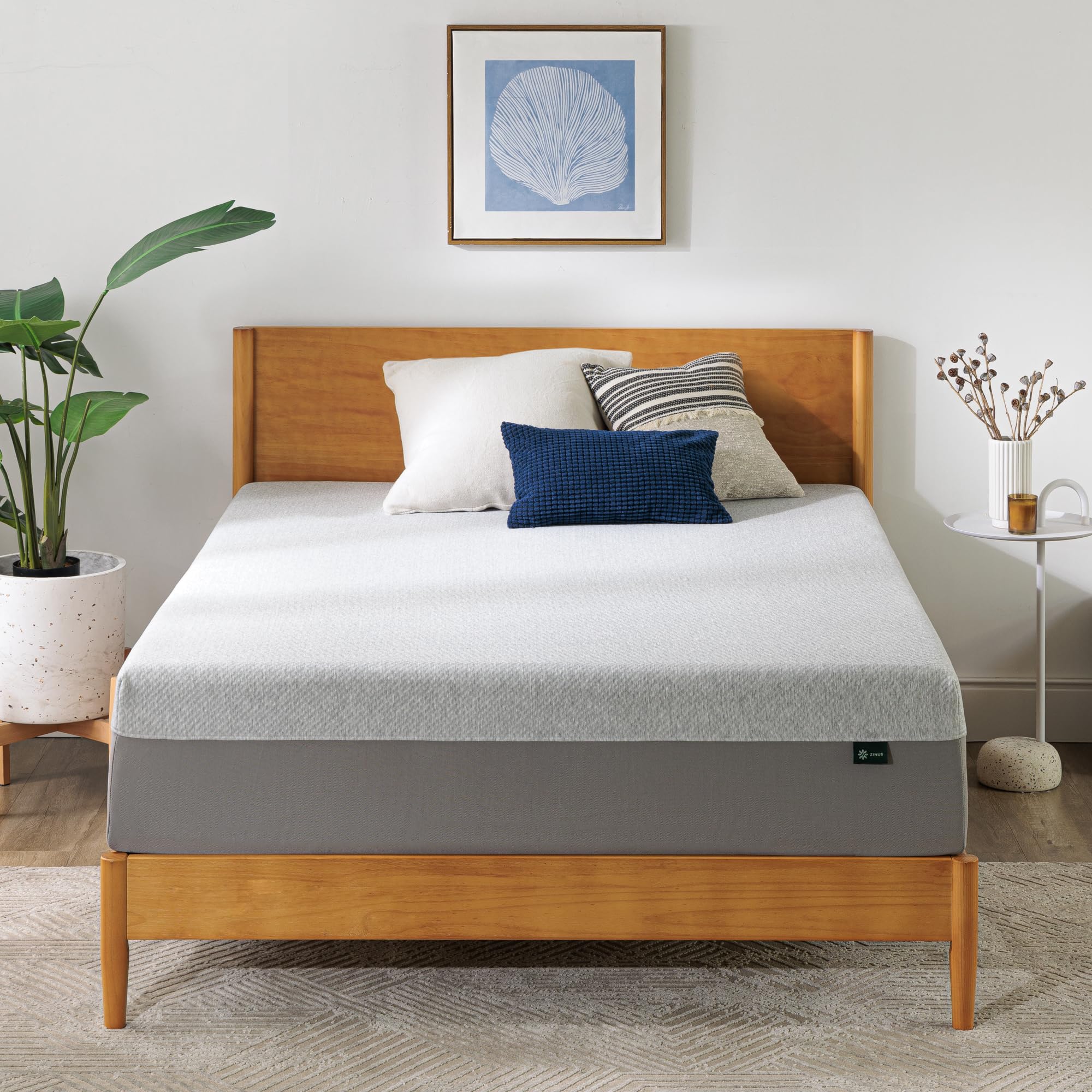
The Zinus Ultima 12" Memory Foam mattress earns its high sleep satisfaction from deep pressure relief and 7-zone support at a budget-friendly price. A strong chemical odor that needs days to air out, plus possible incomplete expansion, make it less suited for anyone who needs a mattress ready on day one.
Pros
- Impressive value for a 12-inch memory foam mattress with 7-zone pressure relief.
- Deep contouring memory foam relieves pressure points and promotes undisturbed sleep.
Cons
- Corners may not expand to full height, resulting in a slight drop-off at the edges.
For budget-focused back sleepers or guest rooms where a mattress can air out for days, the Zinus Ultima provides comfortable pressure relief at a price that’s hard to beat — just don’t expect an instantly usable bed.
How to Choose
The single most important choice for combination sleepers is whether to pick a hybrid with pocketed coils — because coils directly improve ease of movement, edge stability, and airflow, all of which matter more when you change positions frequently.
Firmness Level and Consistency
A ‘medium’ firmness can feel vastly different depending on your dominant sleep position. Side sleepers need enough give to cushion the shoulder and hip, while stomach sleepers require a firmer surface to prevent the lower back from arching. For combination sleepers, a true medium or medium-firm that doesn’t soften excessively after break-in is safest.
The hidden trade-off: memory foam that feels plush when you first lie down may gradually sink as the night goes on, creating a dip that fights your body when you try to roll over. If you frequently switch positions, test the mattress by lying on your stomach and checking if your hips drop below your shoulders. That sag will only deepen over time.
Cooling Technology and Temperature Regulation
Gel infusions and cool-touch covers are marketed as the answer, but the real cooling mechanism in a mattress is airflow through the core. All-foam mattresses, even with gel, can still trap body heat because there is no path for hot air to escape. Hybrid mattresses with pocketed coils create a chimney effect that vents heat passively.
When comparing cooling claims, look for a breathable cover (like phase-change nylon or Tencel) paired with ventilated foam layers and a coil unit. Products that only list ‘cooling gel’ without an open-cell design often sleep warmer than expected.
Construction Type: All-Foam vs. Hybrid
All-foam mattresses provide deep pressure relief and motion isolation, making them great for side sleepers and couples. However, foam can cradle the body so deeply that changing positions feels like climbing out of a valley. Hybrids add a layer of pocketed coils that give bounce and responsiveness, making it easier to roll from back to side without waking fully.
The trade-off: hybrids can transfer more motion than dense foam, so if you share the bed and your partner moves frequently, look for individually wrapped coils with thick comfort layers to dampen that ripple.
Edge Support and Ease of Movement
Mattresses without reinforced edges will compress significantly when you sit or sleep near the perimeter. That compression rolls you toward the center, reducing the usable sleep surface and making it harder to get out of bed. For combination sleepers who use the full width of the mattress, strong edge support — typically from a high-density foam encasement or reinforced border coils — is a functional necessity, not a luxury.
If edge support isn’t listed in the specs, assume the perimeter will compress. That’s acceptable for a guest room but frustrating for nightly use.
Durability and Sag Resistance
Body impressions and sagging are the most common complaints after 12–18 months. Low-density comfort foams and thin-gauge coils break down under repeated compression, especially along the heaviest zones of the body. A mattress that feels perfect out of the box can develop a permanent trough that locks you into one position.
Look for high-density memory foam (at least 3.5 lbs per cubic foot) and tempered steel coils with a gauge around 13–14. These specifications are rarely advertised, but mattresses that explicitly mention durability testing or reinforced lumbar zones tend to resist premature softening.
FAQ
Why is my new mattress in a box not expanding to the full thickness?
Most foam mattresses require 24–72 hours to fully expand, and cold temperatures slow the process. If the corners remain low after three days in a warm room, the foam may be defective or the vacuum compression was too long. Placing the mattress in direct sunlight or using a fan can help speed up expansion, but a persistently undersized mattress is a manufacturing defect, not a break-in issue.
Is a hybrid mattress better for combination sleepers than all-foam?
Generally, yes. Hybrids provide bounce and responsiveness that make it easier to roll over, and the coil layer improves airflow to prevent heat buildup. All-foam mattresses can still work if they use higher-density, ventilated foams and you don’t mind a slower response when switching positions, but for most combination sleepers, a hybrid reduces the feeling of being stuck.
How can I tell if a mattress will sleep hot before buying?
Look for an open-cell foam design and a breathable cover material like phase-change nylon or Tencel, not just a ‘cooling gel’ claim. A layer of pocketed coils or convoluted foam channels indicates passive airflow. If the mattress description focuses heavily on gel beads without mentioning ventilation, it will likely retain heat.
What firmness level is ideal for someone who switches between back and side sleeping?
A medium to medium-firm tension works best because it provides enough cushion for the shoulder on your side while keeping the spine aligned on your back. Avoid plush mattresses that let the hips sink too far, and stay away from ultra-firm options that create pressure points on the shoulder. Look for a balance-tested design with zoned support rather than a single density across the surface.