
This post contains affiliate links. We may earn a small commission when you buy through our links — at no extra cost to you.
If you sleep on your side, you’ve likely woken up with a numb shoulder or aching hip from a mattress that promised support but delivered pressure instead. The problem isn’t just firmness — it’s that most descriptions of ‘medium firm’ don’t account for how much your shoulders and hips need to sink in to keep your spine straight. For lightweight side sleepers, even a few points on the firmness scale can mean the difference between restorative sleep and morning stiffness.
This guide cuts through the labeling confusion to highlight mattresses that actually cushion your pressure points while keeping your spine aligned. We focus on foam densities, zoned support, and cooling features that determine whether a mattress will cradle your curves or push back against them. The best side-sleeper mattress doesn’t just feel soft when you lie down — it maintains that contouring support night after night without sagging.


Best for Side Sleepers
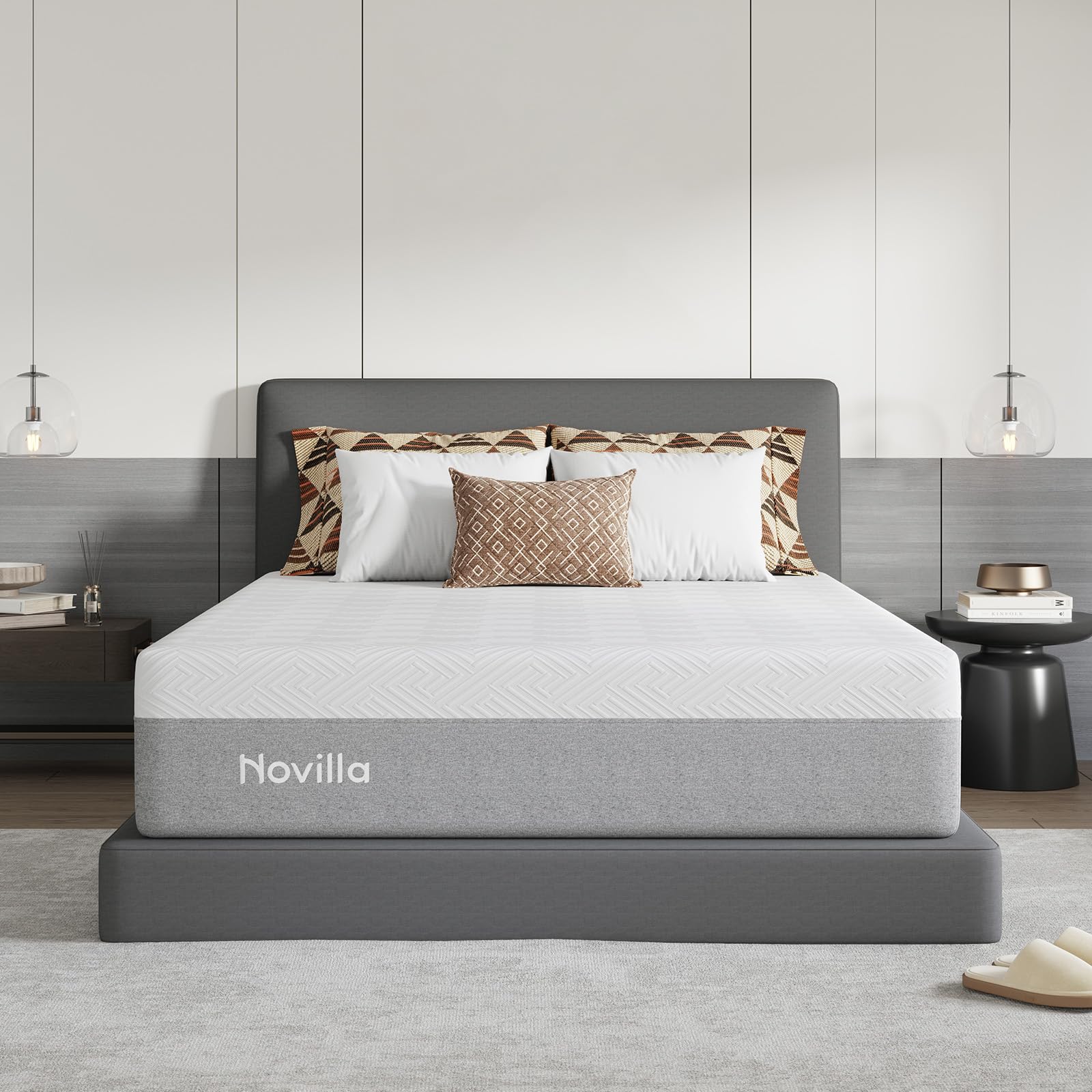
Novilla Bliss 14" Plush
Key Features
- Firmness: Medium Plush
- Thickness & Layers: 14" 3-layer NanoGel foam
- Cooling: Gel-infused, breathable cover
- Motion Isolation: Motion isolation
- Price: Mid-Range
The 14-inch gel memory foam construction contours around hips and shoulders, reducing pressure points for side sleeping. The NanoGel layer pulls heat away from the body, and reinforced edges keep the surface stable even near the perimeter. The mattress expands fully within hours and produces minimal odor out of the box.
This mattress is for dedicated side sleepers of any weight who want a plush feel that still provides structure. The medium plush firmness allows the shoulders and hips to sink in while maintaining spinal alignment. Stomach sleepers will find it too soft — the plushness can cause hip drop and misalignment. A subset of users report that support can soften over extended use, so heavier individuals may want to monitor for sagging.
Pros
- Targeted contouring relieves pressure on hips and shoulders for side sleepers.
- Reinforced edges provide stable support without the roll-off feeling common in foam.
- Quick expansion and little off-gassing mean it’s usable the same night.
Cons
- Plush feel may be too soft for side sleepers who prefer a firmer, more supportive surface.
- Back support can lose firmness over time, potentially causing discomfort for some users.
If you’re a side sleeper looking for a plush, cooling mattress with reliable edge support at a reasonable price, the Novilla Bliss delivers exactly that.
Best for Plush Side Sleepers
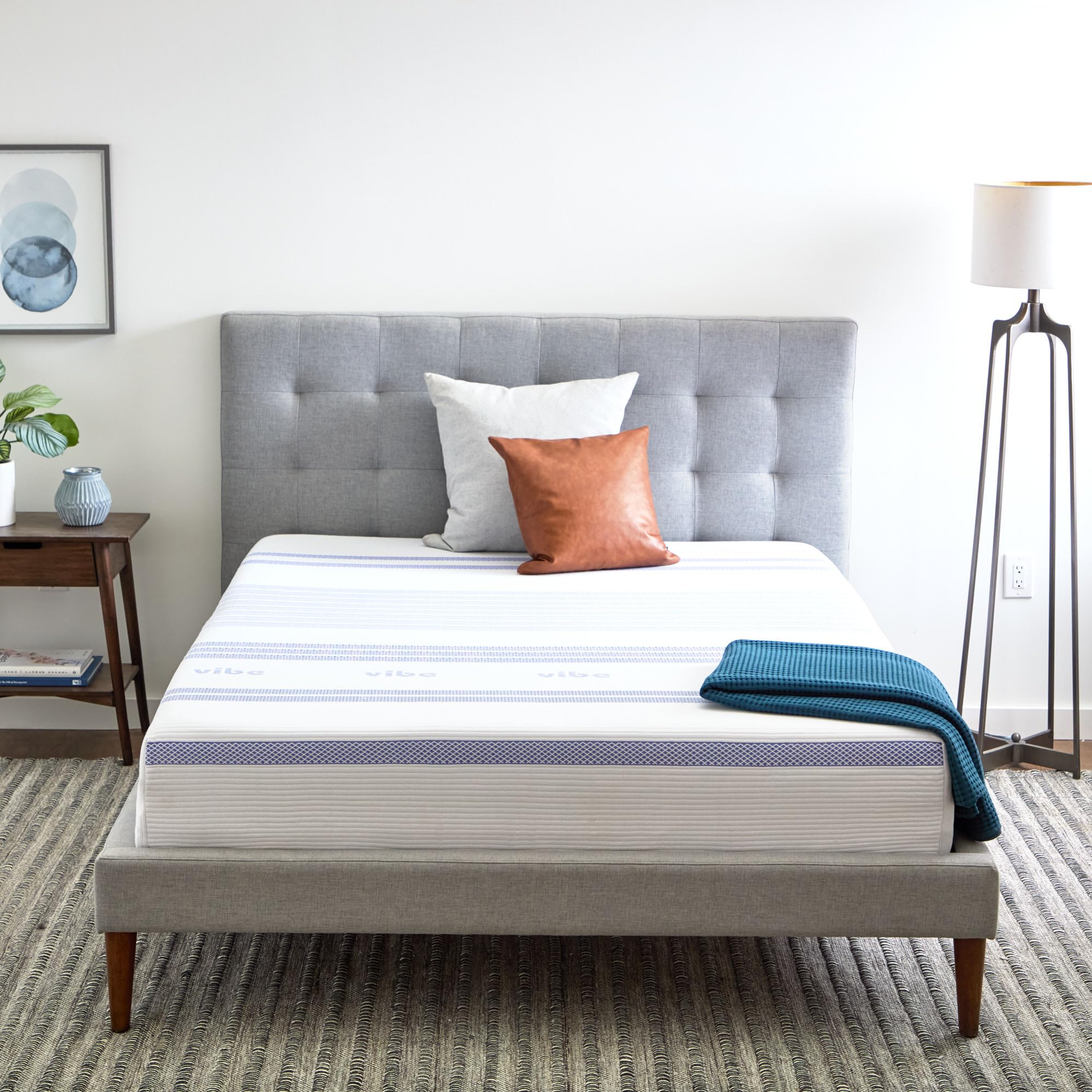
Vibe Gel 12" Plush Foam
Key Features
- Firmness: Plush
- Thickness & Layers: 12" 4-layer gel foam
- Cooling: Gel-infused
- Motion Isolation: Motion isolation
- Price: Mid-Range
The Vibe Gel 12-inch mattress uses gel-infused memory foam to cradle hips and shoulders, helping side sleepers avoid the pressure points common on firmer beds. Motion isolation is strong, so couples won’t feel each other’s movements — a practical plus for light sleepers.
It’s best for side sleepers who want plushness without a luxury price. Very lightweight side sleepers may find it firmer than the ‘plush’ label suggests, so a trial period helps confirm comfort. The main caution: inflation can be uneven; some units don’t expand to a full 12 inches — measure before disposing of packaging.
Pros
- Excellent pressure relief for side sleepers, especially hips and shoulders
- Body-cradling comfort akin to sleeping on a cloud
- Great value for a plush memory foam mattress
Cons
- Edge support is limited — common for all-foam mattresses — and sitting on the edge may cause sinking
- Inflation may be uneven; some units reach only about 10 inches instead of the full 12
For side sleepers prioritizing pressure relief and motion isolation on a mid-range budget, this gel foam mattress offers plush contouring — just verify the thickness after unboxing.
Best for Kids & Guest Beds
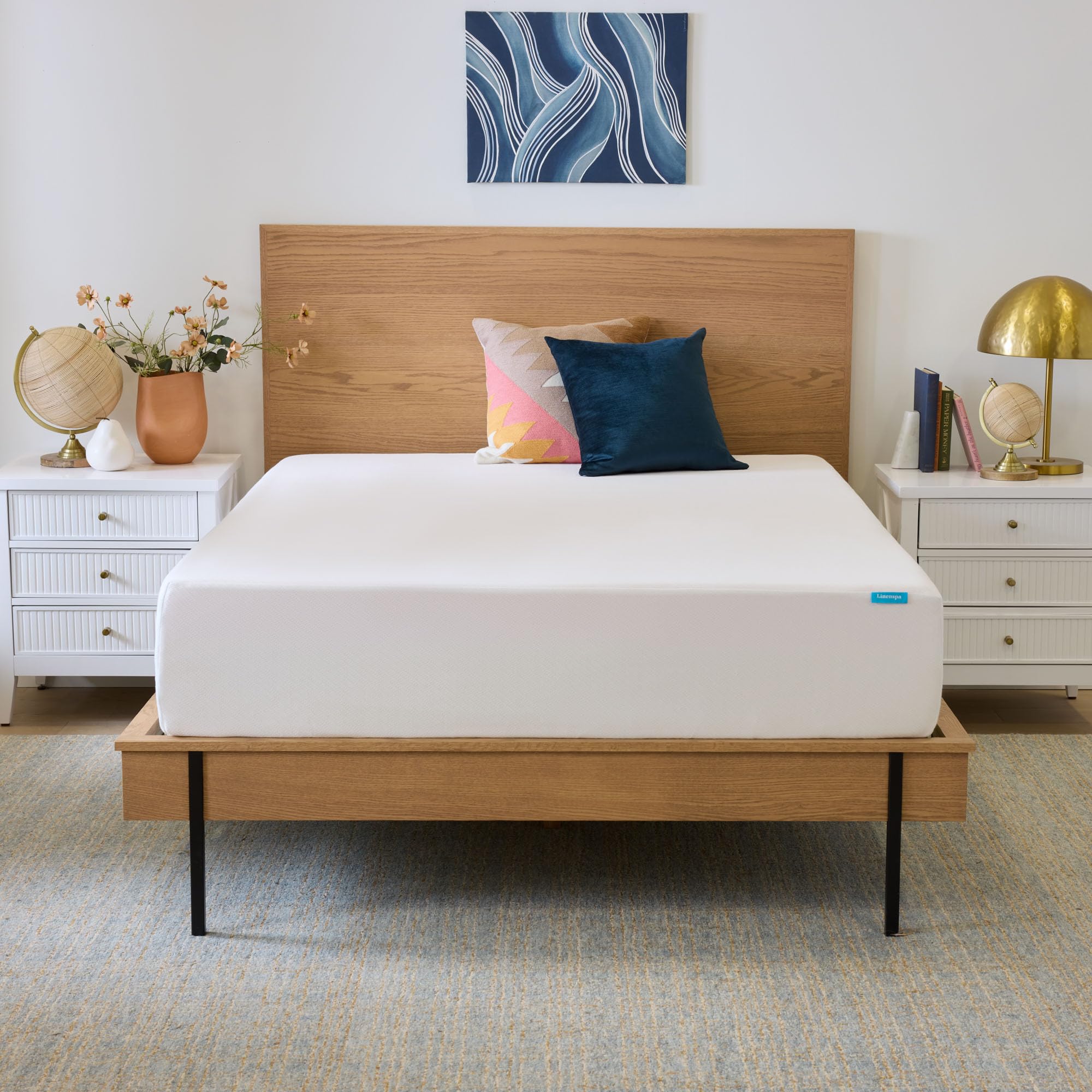
Linenspa 12" Plush Gel Foam
Key Features
- Firmness: Plush
- Thickness & Layers: 12" 3-layer foam
- Cooling: Breathable ventilation
- Price: Budget
Compared to other plush foams in this price range, the Linenspa emphasizes airflow through a convoluted foam layer and breathable cover—a plus for hot sleepers. Its soft, contouring surface cushions hips and shoulders without the firm spots that often plague budget mattresses.
The listing pools reviews from multiple mattress types, so individual firmness and thickness can be unpredictable. This makes it best for lightweight side sleepers furnishing a spare bedroom or child’s bed, where plush comfort is the priority and minor variance is acceptable.
Pros
- Cushions hips and shoulders with plush gel memory foam, relieving pressure for side sleepers.
- Strong value for an all-foam mattress, delivering core comfort at a low cost.
- Motion-isolating foam creates a quiet, undisturbed sleep surface for guest rooms.
Cons
- Mattress thickness can fall short of the advertised 12 inches, expanding to around 10 inches in some units.
- Firmness may feel inconsistent, with occasional units leaning firmer or softer than the plush label implies.
For a guest room or child’s bed where plush pressure relief matters more than exact specifications, the Linenspa provides solid value—just double-check thickness after setup.
Best for Back Pain Relief
MLILY EGO BLACK 14"
Key Features
- Firmness: Medium Firm
- Thickness & Layers: 14" 4-layer copper gel
- Cooling: Graphene, copper gel
- Motion Isolation: Motion isolation
- Price: Premium
The MLILY EGO BLACK stands out with an International Chiropractors Association (ICA) endorsement, layering copper gel memory foam with zoned support across 14 inches. A graphene cover pulls heat away, addressing the warmth buildup that plagues typical memory foam. Compared to our plush top pick, this mattress is noticeably firmer—medium firm rather than soft.
Side/back combination sleepers with back pain are the core audience. The medium firm feel provides enough give for hips without bottoming out, but petite side sleepers may find it too rigid at the shoulders. The ICA backing offers extra confidence for those who prioritize orthopaedic credibility over a sink-in sensation.
Pros
- ICA endorsement adds credibility to back pain relief claims
- Cooling graphene cover and copper gel effectively dissipate heat
- Balanced medium firm support suits side/back combination sleepers
Cons
- Medium firm feel can cause shoulder pressure for petite side sleepers
- Back support may degrade over time in some units, potentially causing discomfort
A compelling option for side sleepers with back pain who want a medium firm, chiropractor-endorsed mattress that runs cool—just be sure the firmness won’t leave your shoulder in protest.
Best for Lightweight Sleepers
Novilla 12" Gel Foam
Key Features
- Firmness: Medium Plush
- Thickness & Layers: 12" 3-layer gel foam
- Cooling: NanoGel
- Price: Budget
The Novilla 12" Gel Foam strips away features like reinforced edges and zoned support to focus on pressure relief at a rock-bottom price. Its gel memory foam layer and NanoGel cooling sink into the hips and shoulders just enough to keep lightweight side sleepers comfortable through the night.
Students and first-apartment dwellers get quick inflation and minimal off-gassing, while the price doesn’t punish a tight budget. The mattress can feel firmer than its medium plush label implies, and in colder rooms it may only expand to 10 inches. Heavier users will find support durability lacking.
Pros
- Very comfortable for side sleepers, especially lighter individuals
- Excellent budget value
- Quick inflation and low odor
Cons
- In unheated rooms, the mattress may only expand to 10 inches, not the full 12.
- The feel can be firmer than expected for petite side sleepers, reducing pressure relief.
For lightweight side sleepers who want a budget-friendly mattress without extras, the Novilla offers solid pressure relief and cooling—just don’t expect plush luxury or long-term durability for bigger bodies.
Best for Guest Rooms
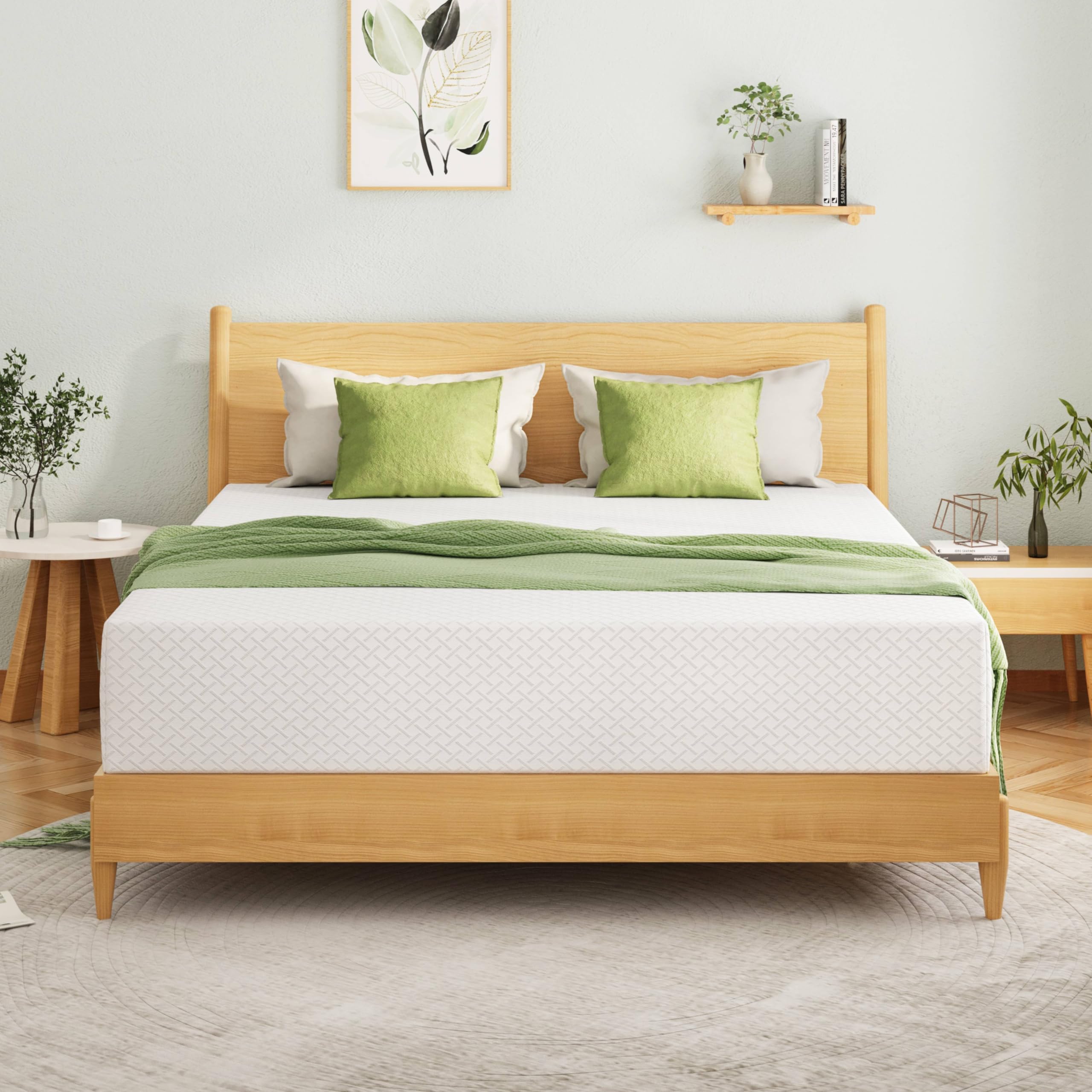
EGOHOME 12" Green Tea Foam
Key Features
- Firmness: Medium Firm
- Thickness & Layers: 12" 4-layer foam
- Cooling: Green tea gel
- Price: Budget
The EGOHOME 12-inch mattress delivers a medium-firm feel and green tea cooling gel at a budget price, making it a practical option for back and combination sleepers. Unlike the plush molds that side sleepers need, this surface doesn’t contour deeply enough to relieve shoulder and hip pressure; lighter individuals in particular may perceive it as too hard. That makes it a better fit for guest rooms, kids’ beds, or back sleepers who prioritize a supportive, odorless foam surface over cushioning. For side sleepers, pairing it with a topper is the only way to get comfortable, and heavier users may still encounter sagging over time.
Pros
- Comfortable medium-firm feel that suits back and combination sleepers
- Very affordable with solid build quality
- No harsh smell and quick expansion out of box
Cons
- Firm feel creates pressure points for side sleepers, especially under 160 lbs
- Support may degrade over time for adults over 200 lbs, leading to sagging
For a guest room or a kid’s bed where side-sleeping isn’t the primary concern, this offers a cool, low-odor foam surface at a wallet-friendly price.
Best for Combo Sleepers
Zinus Green Tea 12" Cooling

Key Features
- Firmness: Medium
- Thickness & Layers: 12" 3-layer gel foam
- Cooling: Gel-infused
- Price: Budget
This budget memory foam mattress delivers a balanced medium feel with green tea freshness and a fiberglass-free design. However, its firmness can be too hard for side sleepers, creating pressure at hips and shoulders, and cooling performance varies.
Pros
- Comfortable for combination sleepers who want a blend of softness and support.
- Strong value at a budget-friendly price, with quality construction that holds up well.
Cons
- Firmness may create pressure points for side sleepers, causing hip and shoulder discomfort.
If you’re a combination sleeper who occasionally sleeps on your side and prefers a medium-firm feel, this budget-friendly mattress works — dedicated side sleepers seeking plush pressure relief should look elsewhere.
Best for Back Sleepers
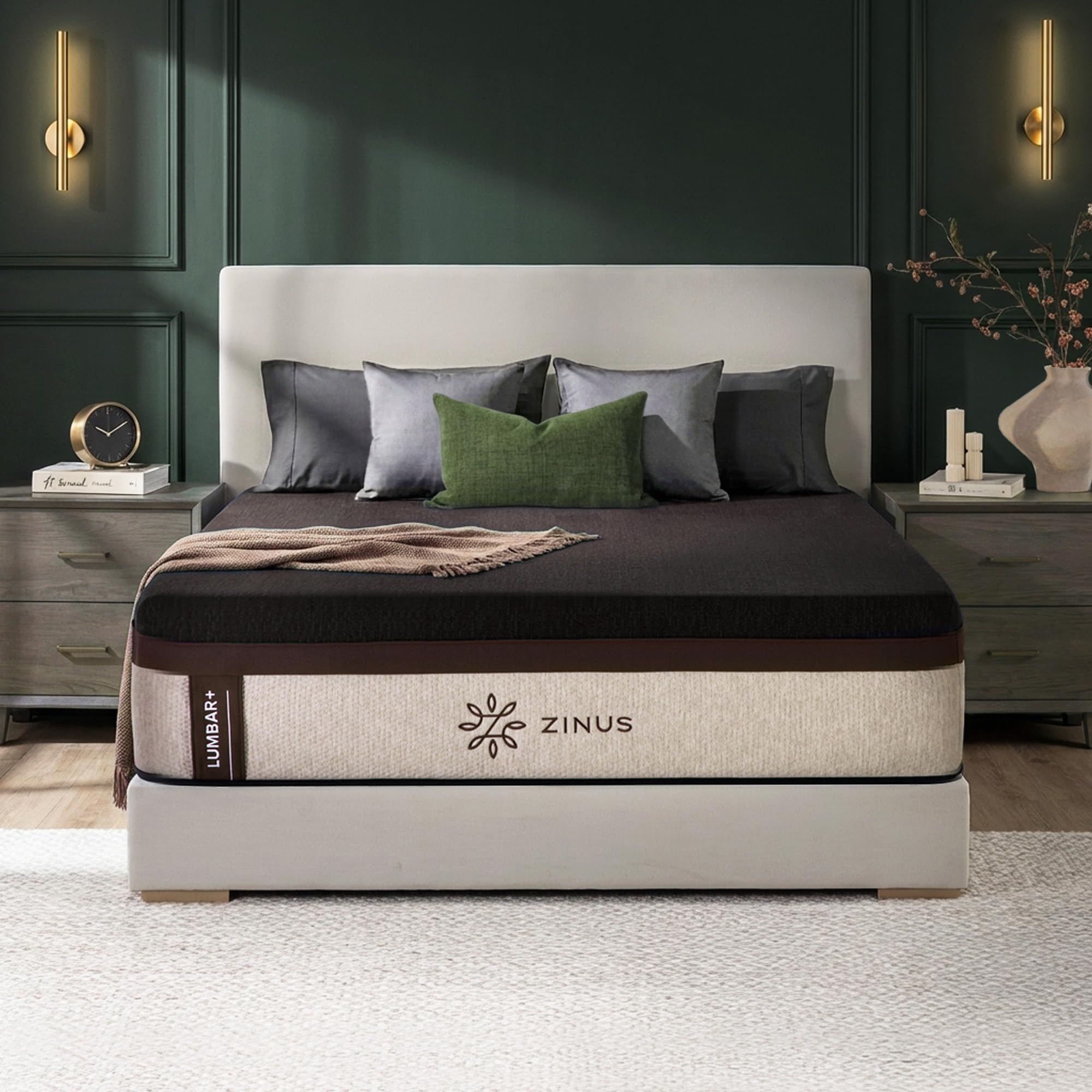
Zinus Lumbar+ 14" Foam
Key Features
- Firmness: Medium Firm
- Thickness & Layers: 14" 3-zone lumbar support
- Cooling: Cool-touch cover, gel
- Price: Mid-Range
The targeted lumbar zone and cooling cover serve back sleepers seeking alignment, but back pain relief is inconsistent. Side sleepers may find the medium-firm surface lacks the contouring needed to prevent pressure points, making this a better fit for back-oriented rest.
Pros
- Targeted lumbar support maintains spinal alignment for back sleepers.
- Cool-to-touch cover noticeably reduces heat buildup overnight.
Cons
- Lumbar zone can create hip pressure in side-lying positions, trading targeted support for pressure relief.
This mattress suits back sleepers who prioritize lumbar alignment and cooling, but side sleepers should approach with caution due to the zoned hip pressure.
Best for Back & Stomach
Mercer Hybrid 12" Pillow Top

Key Features
- Firmness: Firm
- Thickness & Layers: 12" hybrid coil + foam
- Cooling: Cooling gel
- Price: Mid-Range
This hybrid combines supportive coils and a cooling gel pillow top for a firm feel that back and stomach sleepers appreciate. Side sleepers, though, can feel the springs through the foam and may notice sagging over time—so it lacks the deep pressure relief needed for hips and shoulders.
Pros
- Supportive coils and plush pillow top deliver a firm hybrid feel with bounce.
- Mid-range price brings solid value for a hybrid with cooling features.
Cons
- The firm feel can cause hip pain for side sleepers, despite the pillow top.
A viable choice for back or stomach sleepers who want a bouncy, cooling hybrid on a budget—side sleepers should look to the plush options instead.
Best for Back Sleepers
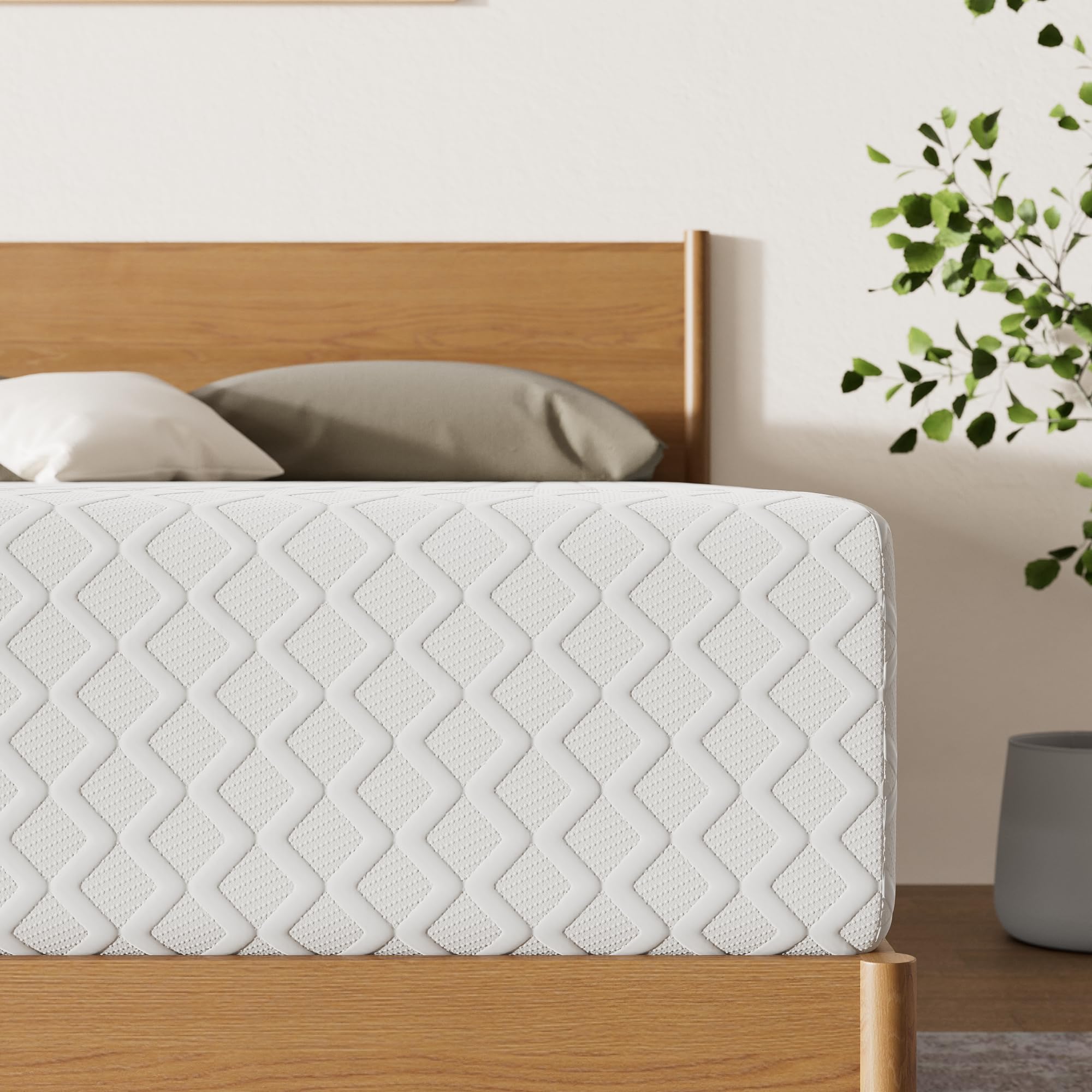
Ashley Chime 12" Foam Mattress
Key Features
- Firmness: Medium Firm
- Thickness & Layers: 12" 3-layer foam
- Motion Isolation: Low motion transfer
- Price: Budget
The Ashley Chime delivers strong back-sleeper comfort, cooling, and durability at a budget price. Its medium-firm feel, however, can be too hard for side sleepers, especially under 160 lbs, leading to shoulder and hip pressure. Edge support is also weak.
Pros
- Comfortable pressure relief for back and combination sleepers
- Excellent value for a CertiPUR-US certified foam mattress
Cons
- Medium-firm feel may be too hard for lightweight side sleepers, causing pressure points
If you’re a dedicated side sleeper under 160 lbs, this mattress will likely feel too firm; however, it’s a solid budget option for back sleepers and guest rooms.
Best for Couples
Casper Element 10" Foam

Key Features
- Firmness: Medium
- Thickness & Layers: 10" 4-layer open-cell foam
- Cooling: Breathable open-cell
- Motion Isolation: Motion isolation
- Price: Premium
The 100-night trial and strong motion isolation make it a low-risk pick for couples. Side sleepers, however, face a gamble: firmness can be either too soft to keep a neutral spine or too firm to relieve shoulder pressure. Over time, support may soften unevenly, undercutting the premium price for those who need consistent side-sleep comfort.
Pros
- Good motion isolation keeps partner movement from disturbing sleep.
- Quick setup and low off-gassing out of the box.
Cons
- Firmness varies from unit to unit — side sleepers may encounter a mattress that feels too soft or too firm for consistent pressure relief.
This mattress fits best for brand-conscious couples who prioritize a lengthy trial over immediate side-sleeper comfort, or for a guest room where occasional use masks the firmness gamble.
Best for Trial Seekers
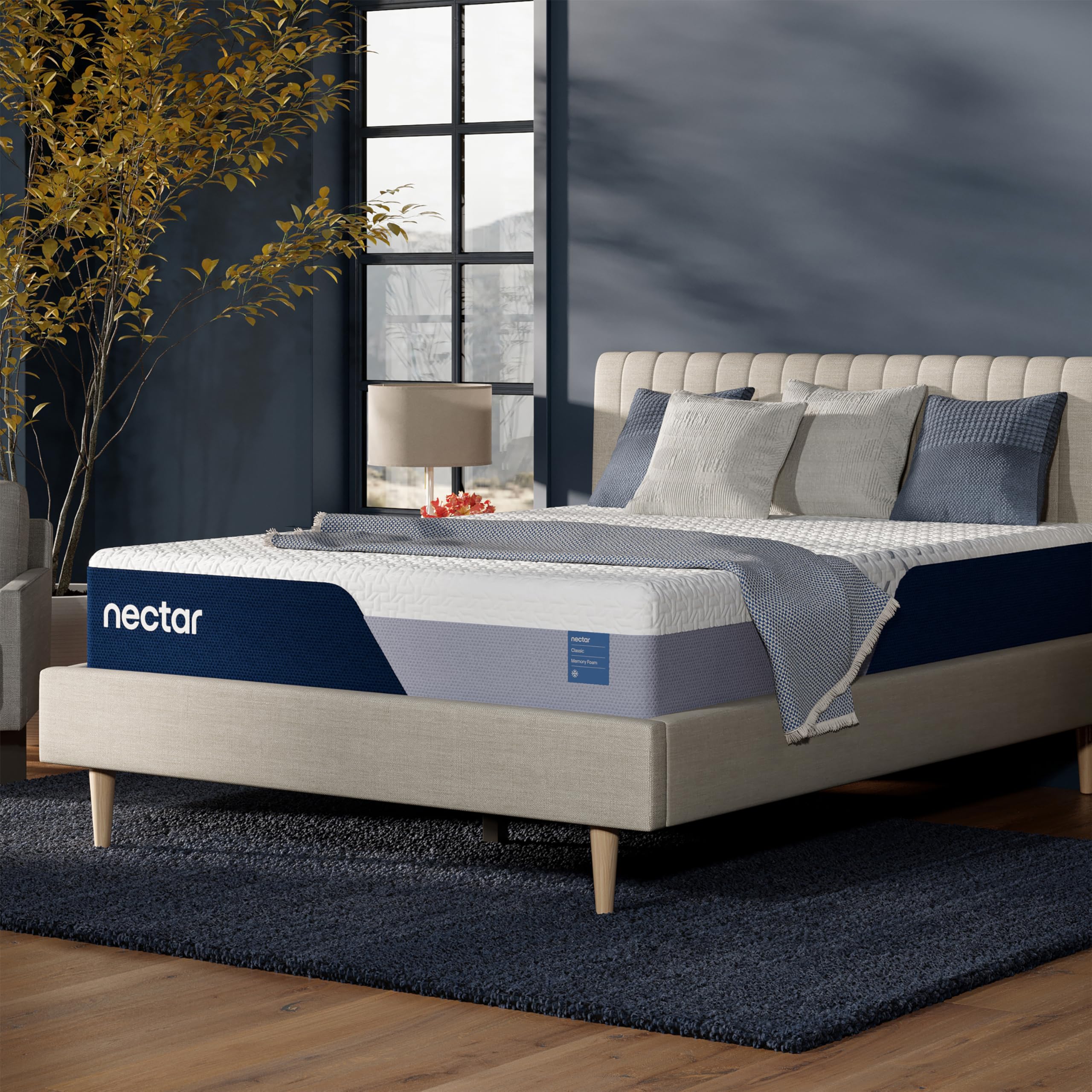
Nectar Classic 12" Memory Foam
Key Features
- Firmness: Medium Firm
- Thickness & Layers: 12" 5-layer foam
- Cooling: Cooling top cover
- Motion Isolation: Motion isolation
- Price: Premium
The Nectar Classic provides a risk-free way to test memory foam contouring, backed by a 365-night trial and a cooling cover that helps manage heat. For side sleepers who need consistent pressure relief, however, the medium-firm feel can soften over time, with sagging and body impressions that may compromise spinal support.
Pros
- 365-night trial and forever warranty lower the risk of an online mattress purchase.
- Cooling top cover aids temperature regulation, a plus for hot sleepers.
Cons
- Medium-firm foam can lose support over time, with body impressions and sagging that may lead to back pain for side sleepers.
The generous trial allows side sleepers to test pressure relief without commitment, but those who value long-term spinal support should consider more durable options.
How to Choose
The most critical factor for side sleepers is a mattress that allows shoulders and hips to sink in just enough to keep the spine aligned without bottoming out.
Firmness Level
Side sleepers need a softer surface than back or stomach sleepers because the shoulders and hips are the widest points. A firmness range of medium-plush to medium-firm (about 4–6 on a 10-point scale) usually works, but the right level depends on your body weight. Lightweight sleepers under 150 lbs should stick to plush options, while heavier individuals can handle medium-firm without pressure buildup.
If a mattress is too firm, your shoulder won’t sink in, causing your spine to bend upwards; too soft and your hips sink too far, creating a C-curve. Look for zoned support that’s softer under the shoulders and firmer under the waist to maintain alignment.
Thickness & Layers
Mattress layers determine how deeply you sink. For side sleepers, a comfort layer of at least 3 inches of memory foam or gel foam is essential to cradle pressure points. Below that, a transition layer and a high-density support core prevent bottoming out. A mattress thinner than 10 inches often lacks enough material to provide proper pressure distribution, leading to hip soreness.
Multilayer designs with a targeted zone panel (softer under shoulders and hips, firmer in the middle) improve spinal alignment. Avoid mattresses where the top layer compresses too quickly, as that leads to premature sagging.
Cooling Features
Gel-infused foam and phase-change covers can lower surface temperature initially, but cooling effectiveness depends on airflow. Open-cell foam structures and convoluted layers allow body heat to escape rather than accumulating in the mattress. A cool-to-touch cover is useful, but if the underlying foam is dense and non-breathable, heat will build up within an hour.
If you sleep hot, prioritize a mattress with ventilated or convoluted foam layers over a simple gel infusion. Also look for a breathable mattress cover made of cotton or moisture-wicking fabric.
Motion Isolation
All-foam mattresses naturally dampen movement because memory foam absorbs energy, making them ideal for couples. Independent coils in hybrids also reduce motion transfer, but they can transmit some bounce if the comfort layer is thin. For minimal disturbance, choose a mattress with at least 3 inches of memory foam on top.
While motion isolation is excellent in foam, it can come with a trade-off: deep contouring can make it harder to change positions. If you frequently switch from side to back, a medium-firm foam with less sink may feel more freeing.
Durability and Sagging Resistance
Foam density is the key indicator of how long a mattress will hold its shape. High-density foams (1.8 pcf or more in the support core) resist body impressions, while low-density foams can develop permanent divots within a year. For side sleepers, any sagging under the hips will misalign the spine and cause back pain.
Look for mattresses with a strong support core and a warranty of at least 10 years. A mattress that feels plush but uses low-density foam in the comfort layer may lose its cushioning after a few months, forcing you to sleep in a trough.
FAQ
Why does my new memory foam mattress feel too firm for side sleeping?
Memory foam is temperature-sensitive; it softens with body heat, but many budget foams are too dense to contour quickly under shoulders and hips. If your mattress hasn’t softened within 30 days, a plush topper can add the needed pressure relief. Lighter side sleepers are especially sensitive—what other users call ‘medium firm’ can feel rock hard.
How can I tell if a mattress in a box will be soft enough for my shoulders?
Look for a comfort layer thickness of at least 3 inches and a firmness level explicitly stated as ‘plush’ or ‘medium plush,’ not just ‘medium.’ Also check reviews from people under your weight mentioning shoulder sink and wake-up pain. A zoned support layer can prevent hammocking while still cushioning shoulders.
Do cooling gel mattresses actually keep you from getting hot at night?
Gel infusions draw heat away initially, but the real cooling effect depends on breathable covers and open-cell foam that allows air circulation. Without ventilation, gel can still trap heat once it warms up. A ventilated or convoluted foam layer is a stronger indicator of all-night cooling.
How long does it take for a memory foam mattress to stop smelling?
Off-gassing odor usually fades within 3–5 days in a well-ventilated room, but some foams can take up to two weeks. CertiPUR-US certification helps, but doesn’t guarantee no smell. Air the mattress without sheets for the first 48 hours and run a fan to speed it up.