
This post contains affiliate links. We may earn a small commission when you buy through our links — at no extra cost to you.
Neck support pillows all promise to end morning stiffness, but a walk down the aisle reveals dozens of nearly identical contours and crescents. Under the surface, the ones that genuinely deliver rely on one ability: adapting to your body rather than forcing your body to adapt to them. The difference between waking up pain-free or disappointed often hinges on an inch of loft or a degree of firmness that a fixed foam brick can never get right.
This guide separates the adjustable systems from the rigid shells, weighing whether a hollow orthopedic cradle or a customizable fill will serve your particular shoulder width and sleep position. Because a pillow that feels supportive for a week might soften into a headache trigger after six months, we also focus on long-term shape retention over short-lived first-night comfort.
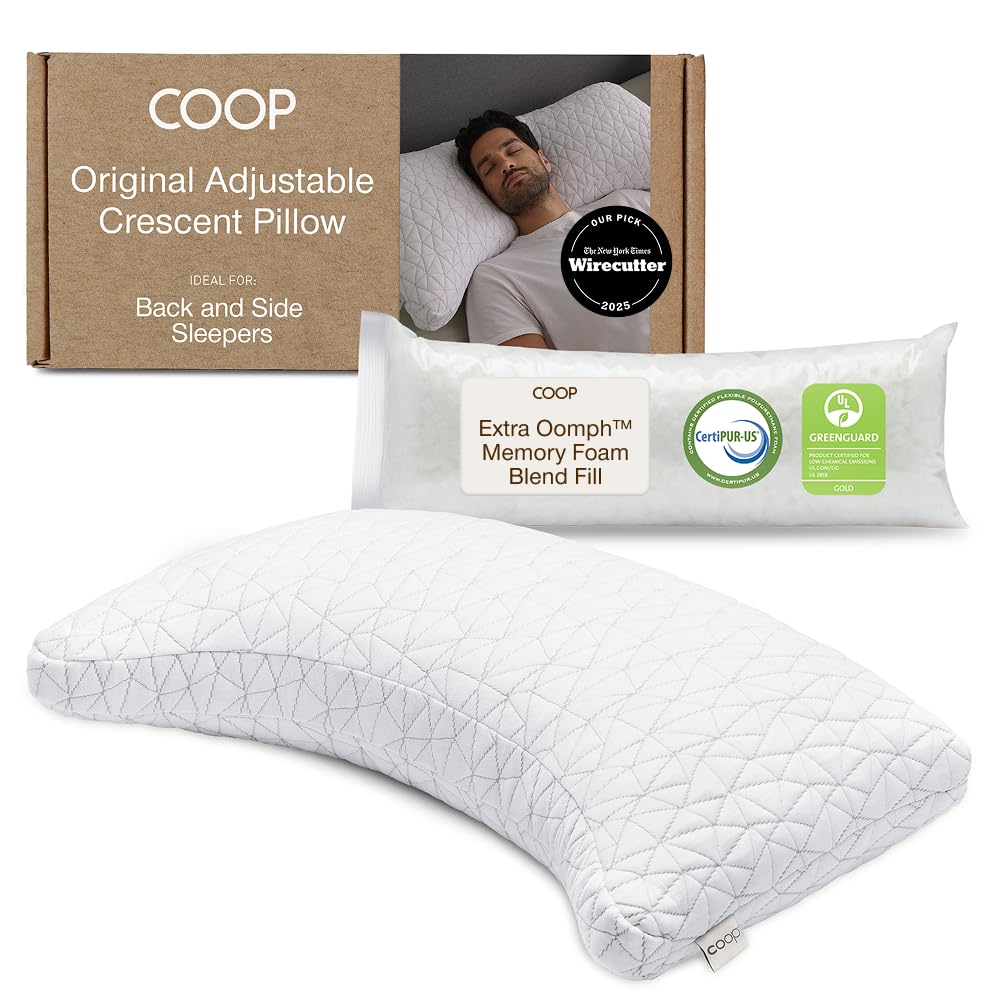

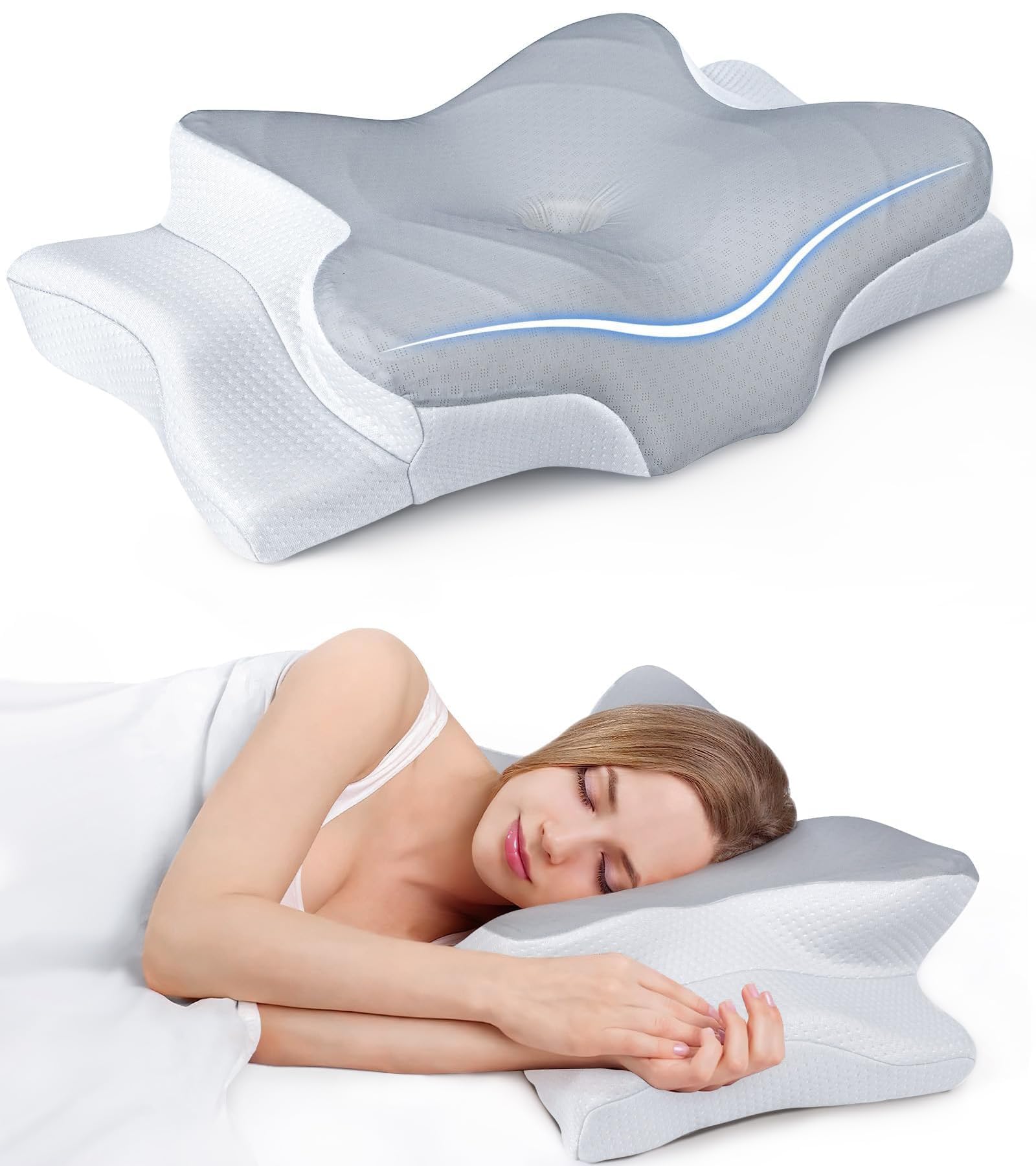


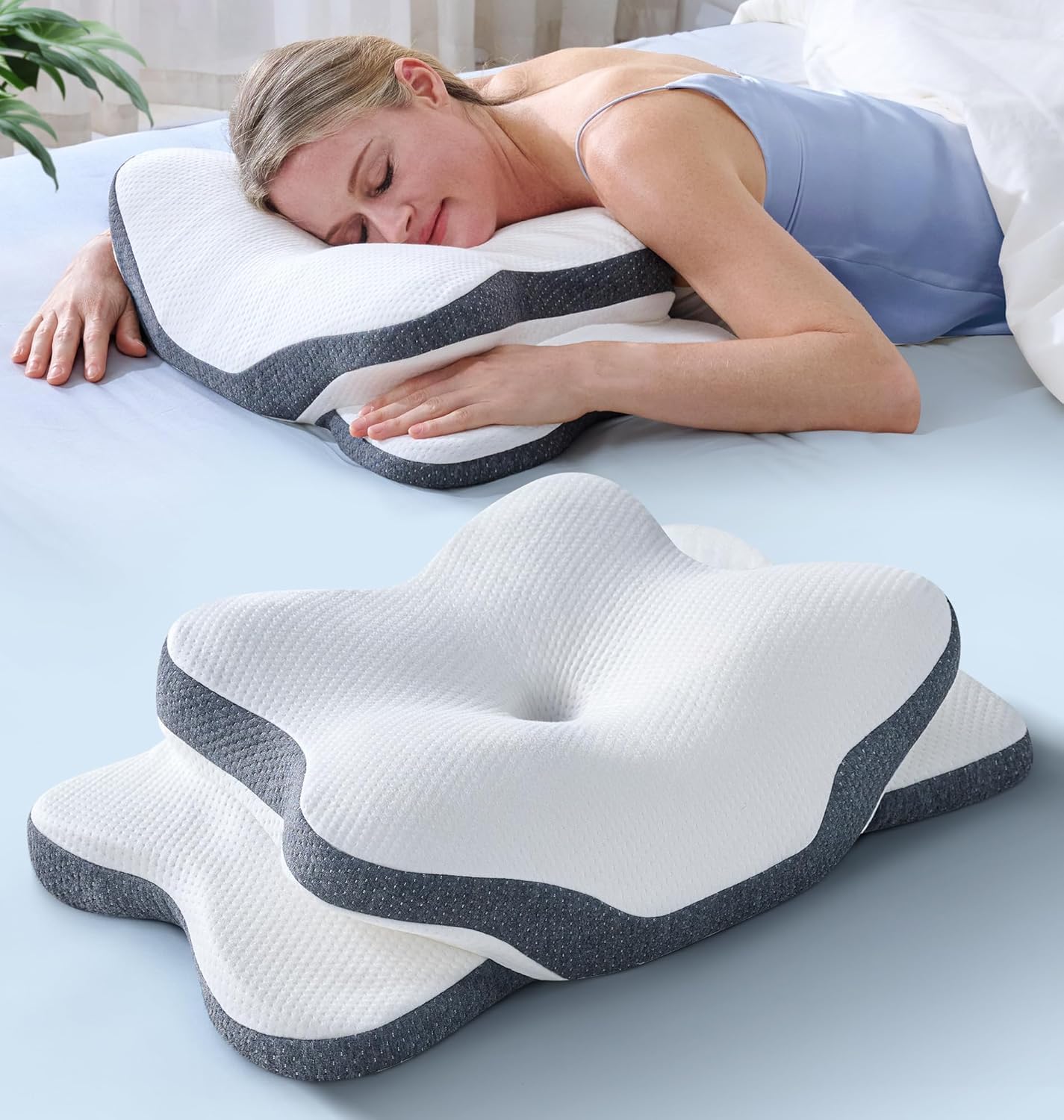
Best for Side & Back Sleepers
Coop Crescent Pillow
Key Features
- Adjustability: Add/remove fill
- Cooling: Breathable cover
- Shape: Crescent
- Certifications: CertiPUR-US, GREENGUARD Gold
- Price: Premium
The ability to add or remove fill gives you precise control over loft and firmness — no more hoping a fixed foam block matches your shoulder width and sleeping position. This adjustability is the core difference that sets the Coop Crescent apart from pre-shaped contours.
Neck and shoulder pain relief is consistently reported, along with noticeably faster sleep onset and waking without stiffness. The crescent shape cradles the head and maintains cervical alignment, especially effective for side sleepers who need that extra shoulder cutout.
This pillow is best for side and back sleepers willing to invest time in tweaking the fill to their preference. It is not suitable for stomach sleepers who require a flatter surface — the crescent shape and fill volume will be too high. Also be prepared for a strong new-foam scent that requires several days of airing out in a ventilated room before the first use.
Pros
- Fully adjustable fill lets you fine-tune loft and firmness to your exact preference.
- Effectively reduces neck and shoulder pain for most users.
- Improves sleep quality — users fall asleep faster and wake refreshed.
- Cradles head and neck well, especially for side sleepers who need shoulder contouring.
Cons
- New foam scent can be strong; requires several days of airing out before use.
- Crescent shape and fill volume may be too high for stomach sleepers who need a flatter surface.
For side and back sleepers who want total control over support height and firmness, the Coop Crescent delivers proven neck pain relief with one temporary caveat: the initial odor fades after airing out.
Best for Orthopedic Neck Relief
Osteo Cervical Pillow
Key Features
- Adjustability: Rotate & removable insert
- Cooling: 3D mesh pillowcase
- Shape: Hollow cervical
- Certifications: CertiPUR-US, OEKO-TEX
- Price: Mid-Range
Unlike pillows that rely on adjustable fill, the Osteo’s US-patented hollow center offers a predetermined orthopedic cradle that aligns the cervical spine and relieves pressure without any setup. The 3D mesh cover and odorless memory foam keep heat from building up—a plus for hot sleepers who want cooling without gel inserts. This fixed design suits those who know a contour works better for them than shredded fill.
This pillow targets chronic neck pain sufferers and side sleepers seeking a firm, pre-shaped support that mimics a therapist’s palm. Stomach sleepers who need flatness or anyone sensitive to hardness may find it too rigid—with the two-height rotation and removable insert offering partial adjustment. The trade-off: dedicated orthopedic alignment over plush comfort.
Pros
- Cradles the head and maintains cervical curve for genuine neck pressure relief
- Relieves neck and upper back pain, often allowing pain-free mornings
- Improves sleep quality for side sleepers with an open center that prevents flat-head sensation
Cons
- Firmness may feel too hard for those accustomed to soft pillows, particularly during the initial adjustment period
If you prefer a predictable orthopedic shape over custom-fill adjustability and don’t mind a firm feel, the Osteo provides legitimate pain relief and cooling at a sensible mid-range price.
Best for Cooling Neck Support
Cozyplayer Cooling Pillow
Key Features
- Adjustability: Rotate & insert removal
- Cooling: Arc-Chill cooling case
- Shape: Hollow concave 6-zone
- Certifications: CertiPUR-US
- Price: Mid-Range
The Cozyplayer Cooling Pillow pairs six targeted contour zones with an Arc-Chill pillowcase that drops skin temperature on contact — a difference you notice within minutes of lying down. Its hollow, concave shape cradles the neck and relieves pressure along the cervical spine, while cutouts for the arms and shoulders give side sleepers a natural resting position. The open-cell foam and 3D mesh liner pull heat away throughout the night, preventing the gradual warming that undercuts many gel-infused covers.
Back and side sleepers who run hot and deal with chronic neck stiffness will find the support immediately restorative. The pillow’s firm, orthopedic feel holds its shape without sinking, which aligns the spine but may feel too rigid for anyone used to down-alternative plushness. The included adjustability — rotate the pillow 180° or remove the bottom layer — changes the height, but the core density stays fixed. That makes it a strong match for those who want a cool, unwavering cradle rather than a soft, contour-hugging cloud.
Pros
- Neck pain relief and precise cervical cradling that aligns the spine.
- Noticeably cooler sleep surface that resists heat buildup throughout the night.
- Improves sleep quality, leaving users rested and pain-free in the morning.
Cons
- Firmness may be too high for those accustomed to plush, sink-in pillows.
If you need a pillow that stays cool and provides firm, orthopedic alignment for chronic neck pain, this one delivers consistent all-night relief — just be prepared for a dense, unyielding surface if you prefer softness.
Best for Cold Weather Sleepers
UTTU Cervical Pillow
Key Features
- Adjustability: Removable middle layer
- Cooling: Breathable cover
- Shape: Contour rectangular
- Price: Mid-Range
UTTU’s Dynamic Foam stays pliable even when bedroom temperatures drop, avoiding the brick-like hardness that plagues many memory foam pillows in cold climates. A removable middle layer lets you reduce loft by about 0.8 inches, accommodating narrower shoulders or back sleepers who want a lower profile. While the top pick offers fully customizable fill, the UTTU’s pre-shaped contour with two neck-roll heights provides a more guided alignment — ideal for users who don’t want to mess with filling amounts.
This pillow suits back and side sleepers with chronic neck pain, particularly those in cold climates who need foam that won’t harden. The firm, supportive feel cradles without sinking, and the height adjustment helps dial in alignment. However, the firmness can be too intense for stomach sleepers who require almost no loft, or anyone seeking a plush, cloud-like sensation.
Pros
- Provides significant pain relief and eliminates morning stiffness
- Dramatically improves sleep quality, especially for back sleepers
- Adjustable height via removable middle layer adapts to different shoulder widths
Cons
- Firmness may be too high for those who prefer a softer pillow
For a mid-range cervical pillow with dependable height control and foam that won’t stiffen in the cold, the UTTU is a smart choice — provided you want a firmer, more supportive lay-down.
Best for Side Sleeper Shoulder
KUCEY Cooling Pillow
Key Features
- Adjustability: Add/remove fill
- Cooling: Dual-sided cooling cover
- Shape: Crescent shoulder cutout
- Price: Mid-Range
The crescent shape with its defined shoulder cutout sets this pillow apart from flat rectangular options. It lets the arm and shoulder sink into the gap, reducing the upward tilt that stresses the neck. The shredded memory foam fill arrives with an extra bag, so you can fine-tune loft until your head and spine align. A dual-sided cover places a cool-to-the-touch fiber on one face — a feature that genuinely drops skin temperature at first contact.
This pillow suits side sleepers who feel shoulder pressure on standard pillows and prefer a softer, moldable feel over a rigid orthopedic block. The cooling side works best as a front-loaded relief; those who need all-night active temperature regulation may find it warms as the hours pass. For sustained coolness, the top pick with integrated gel layers holds its chill longer.
Pros
- Shoulder cutout reduces pressure for side sleepers, easing neck and shoulder discomfort.
- Shredded memory foam plus an extra fill bag allow exact loft adjustment.
- Cooling side cover provides noticeable temperature relief at bedtime.
Cons
- The cooling cover can lose its chill partway through the night, especially in warm rooms.
Side sleepers wanting shoulder relief and a plush, adjustable feel will find this a strong mid-range choice, provided all-night active cooling isn’t the priority.
Best for Arm Cradle for Side
Latree Neck Pillow
Key Features
- Adjustability: Rotate for height
- Cooling: Open-cell foam & mesh
- Shape: Butterfly with armrests
- Certifications: CertiPUR-US, OEKO-TEX, ISPA
- Price: Mid-Range
Where the top pick uses loose fill for personalized support, the Latree commits to a fixed butterfly shape with deep grooves that cradle the upper arm, easing the downward pull on the shoulder. The hollow concave center and six contour zones keep the neck aligned, and the open-cell foam with mesh cover stays cool through the night. Rotating 180° selects one of two heights, sparing you from fill adjustments.
This pillow suits side sleepers who want a contoured shape without the fuss of adjustability, especially those who run hot or wake with shoulder tightness. The fixed core means you’re locked into the loft; if neither height side fits your frame, you’ll feel the mismatch. It’s less accommodating for petite sleepers, broad-shouldered back sleepers, or anyone who prefers a taller, customizable build. For side sleepers who value cooling and arm relief above fill tweaking, the Latree offers a well-priced option.
Pros
- Delivers meaningful neck pain relief, reducing stiffness and headaches.
- Maintains neutral spinal alignment with strong support.
- Open-cell foam and mesh cover keep the pillow cool, even during summer.
Cons
- Arm grooves are tailored to side sleeping; back sleepers may not experience the same shoulder relief.
- Fixed foam core cannot be adjusted; the two rotation-based heights leave some body types without a perfect fit.
If you’re a side sleeper who values cooling and arm support above fill adjustability, the Latree delivers a thoughtfully contoured, evidence-backed rest.
Best for Firm Budget Support
Ylekto Cervical Pillow

Key Features
- Adjustability: Two height rotation
- Cooling: Cold silk pillowcase
- Shape: Contour rectangular
- Certifications: CertiPUR-US, OEKO-TEX
- Price: Budget
The Ylekto’s firm contour provides pronounced cervical alignment, helping some back sleepers wake with less neck pain. Build quality and the cool-to-the-touch cover are impressive for the price. The firmness that enables that support can feel uncomfortably hard for side sleepers or anyone who dislikes a rigid pillow—this is a product for those who specifically want a solid, unyielding cradle, not plush cushioning.
Pros
- Firm contour aligns the cervical spine and can reduce morning neck pain.
- Durable construction and a cooling cover at a budget-friendly price.
Cons
- Firmness may be too hard for side sleepers or those who prefer a softer pillow.
A sensible choice for back sleepers on a tight budget who want a firm, consistent cervical pillow and don’t need plushness.
Best for Back Sleeper Armrest
DONAMA Cervical Pillow

Key Features
- Adjustability: Dual-height rotation
- Cooling: Breathable cover
- Shape: Contour with armrests
- Certifications: CertiPUR-US
- Price: Budget
The DONAMA Cervical Pillow delivers solid neck cradling and posture support, particularly for back sleepers who can use the built-in armrests. The breathable cotton/polyester cover helps hot sleepers stay cool, and the CertiPUR-US memory foam feels quality for the price. However, pain relief can be inconsistent—some sleepers experience increased neck discomfort, making this a better fit for those without chronic issues who can tolerate a trial period.
Pros
- Cradles neck and supports posture well, especially for back sleepers using the armrests.
- Enhances sleep quality and helps many users fall asleep faster.
Cons
- Pain relief varies greatly; some may experience increased neck discomfort.
For back sleepers seeking an affordable contour pillow with armrests and a cooling cover, the DONAMA offers decent support—provided you don’t require guaranteed pain relief.
Best for Massage Bump Therapy
zibroges Cervical Pillow

Key Features
- Adjustability: Three-layer removable
- Cooling: Ice silk pillowcase
- Shape: Butterfly hollow
- Certifications: CertiPUR-US, OEKO-TEX
- Price: Unknown
The massage bumps on this butterfly-shaped pillow concentrate pressure on tight neck muscles, and three removable layers let you adjust loft and firmness. An ice silk cover adds immediate cooling. This design hasn’t yet established a long-standing reputation, and pricing isn’t publicly available—complicating value comparisons against hollow-core orthopedic pillows with longer track records. It suits those drawn to the massage sensation who accept an evolving track record, but budget-conscious buyers wanting certain durability and cost may prefer to wait.
Pros
- Massage bumps ease tight neck muscles with targeted tension release
- Delivers deep, restorative sleep and eliminates morning stiffness
Cons
- Pricing not disclosed, making value comparisons difficult
- Limited market presence means long-term durability isn’t yet established
For those drawn to the massage bump sensation and willing to accept an evolving track record, this butterfly pillow offers adjustable cooling relief—just confirm the price before committing.
Best for Luxury Anti-Aging
C Cushion Lab Pillow

Key Features
- Cooling: Cool nylon/spandex cover
- Shape: Sculpted contour
- Certifications: CertiPUR-US
- Price: Premium
The C Cushion Lab pillow wraps you in a soft, cooling FreshFace cover that glides against skin and hair, reducing morning creases and frizz. Its dual-density memory foam provides deep, cushioning comfort for side and back sleepers. When it comes to neck pain relief, support is inconsistent — some users wake with increased stiffness. This hit-or-miss alignment and premium price make it a risky bet for those who need dependable spinal support.
Pros
- Deep cushioning comfort cradles side and back sleepers for restful nights.
- Ultra-smooth FreshFace cover reduces morning skin creases and hair friction.
Cons
- Neck pain relief can be inconsistent, and some users experience increased discomfort.
A luxury pick for side and back sleepers who value anti-aging and hair-care benefits and don’t rely on a pillow for neck pain relief, but those needing consistent alignment should look elsewhere.
Best for Plush Eco-Comfort
Royal Therapy Contour Pillow

Key Features
- Adjustability: Removable middle layer
- Cooling: Cooling bamboo cover
- Shape: Contour rectangular
- Certifications: CertiPUR-US
- Price: Mid-Range
The Royal Therapy pillow wraps you in plush, OEKO-TEX-certified memory foam topped with a cooling bamboo cover—a gentle contour that eases pressure without feeling rigid. Its three-layer design with a removable middle section lets you tweak height slightly, though the medium firmness leans toward cushiony rather than corrective. For side sleepers who flinch at hard orthotics, this delivers cozy alignment; for those needing a distinct neck ridge to hold spinal posture, the support may feel too soft.
Pros
- Soothes and cradles the neck so you wake up with less pain.
- Built with high-quality, CertiPUR-US and OEKO-TEX materials that hold their shape.
Cons
- The medium firmness can feel too plush for sleepers who require rigid neck alignment.
If you’re a side sleeper seeking a gentle, eco-conscious contour that prioritizes plush comfort over rigid correction, this pillow fits. Those needing firmer therapeutic support should look to the orthopedic hollow-cradle option in this set.
How to Choose
A neck support pillow only works if it matches your sleep position and shoulder width, so adjustable loft and firmness should be your starting point—not an afterthought.
Adjustability: Fill, Layers, or Rotation
Fixed-height pillows fail most often because they assume a universal shoulder width. A side sleeper with broad shoulders needs a taller loft to keep the spine neutral; someone narrow-framed on the same pillow will bend their neck upward. Adjustable pillows solve this by letting you add or remove fill, swap a mid-layer, or rotate to a different height side.
The hidden trade-off: pillows with dozens of fill options can feel endless to dial in, and some users never settle. Stick with a system that offers clear height stages—removable layers or two-sided rotation—rather than a bag of loose foam that requires guesswork.
Firmness and Its Hidden Consequences
Firmness is not just a comfort preference. A pillow that is too firm creates pressure points behind the ear and jaw, especially for side sleepers who can end up with numbness. Too soft, and your head sinks out of alignment, straining neck muscles all night.
What you rarely hear: memory foam firmness varies with room temperature. A pillow that feels perfectly supportive in a 70°F bedroom can turn into a brick when the thermostat drops. If you sleep in a cold climate, dynamic foams that resist hardening outperform traditional memory foam by staying pliable.
Cooling Technology: More Than Marketing
Cool-touch covers made with ice silk or phase-change materials lower skin temperature on contact, but they don’t actively remove heat all night. For sustained cooling, the foam core must be open-cell—allowing air to circulate—rather than trapping heat like a dense slab.
A pillow that feels icy at first can turn warm after an hour because body heat soaks through the cover layer. Combination designs that pair a breathable mesh inner with a cool-touch outer are the closest you’ll get to all-night temperature regulation without active cooling.
Shape: Contour, Crescent, Butterfly, or Hollow
Contour pillows with a raised neck ridge stay consistent across sleep positions, making them a safe bet for combination sleepers. Crescent and butterfly shapes, on the other hand, carve out space for the shoulder or arm, specifically targeting side-sleeper pressure points.
The under-discussed compromise: a butterfly pillow with armrests anchors you so well that moving to your back can feel awkward mid-night. If you toss and turn, a simpler contour or a crescent with a gentle cutout may offer more freedom without sacrificing side-sleeper relief.
Material Certifications and Off-Gassing
CertiPUR-US and OEKO-TEX certifications mean the foam has been tested for harmful chemicals and low VOC emissions—a non-negotiable if you are sensitive to smells. Greenguard Gold adds an even stricter screening for indoor air quality, often found on premium pillows.
Even certified pillows can have a noticeable new-foam scent because of trapped manufacturing gasses. The difference is that certified foams air out completely within days, while uncertified foams may retain a lingering odor. Factor in a 48-hour airing period no matter which pillow you choose.
FAQ
Why does my cervical pillow make my neck pain worse at first?
Your neck muscles are adjusting to a new alignment, and the pillow may be too firm or too tall. Give it 5–7 nights of consistent use; if pain persists, the loft likely doesn’t match your shoulder width. Switch to the lower height side, remove a layer, or remove some fill to drop the profile.
How long should I air out a memory foam pillow before using it?
Unzip the cover and let the foam core breathe in a well-ventilated room for 48 hours. Running the pillow in a dryer on low heat with a damp towel can speed up off-gassing. The odor is temporary and completely harmless with certified foams, but using the pillow too soon can ruin your first night.
Is a crescent pillow better for side sleepers than a contour pillow?
Crescent pillows with a shoulder cutout relieve pressure on your bottom shoulder, making them ideal for dedicated side sleepers. Contour pillows offer more universal neck support for back and combination sleepers. Choose a crescent if shoulder discomfort is your main complaint; otherwise a contour may be more versatile.
Do cooling pillows actually stay cool all night?
Most rely on a phase-change cover that cools on contact but gradually warms up. For longer cooling, look for an open-cell foam core that lets air escape paired with a cool-touch cover. No pillow stays cold indefinitely, but a well-engineered combination prevents the heat buildup that wakes hot sleepers.